

 Phoenix 24
A subtle change in the satellite service’s policy erases the promise of “pay as you go” and redefines the line between digital flexibility and financial barriers.
Global / U.S. / Europe, August 2025.
Starlink, SpaceX’s satellite network designed to deliver internet to the most remote corners of the planet, has just switched off one of its hallmark features: the free pause mode. According to a notice sent to subscribers, that function will now cost $5 per month (or €5 in Europe) under the name Standby Mode. The change, seemingly minor, breaks with a core part of the service’s appeal for travelers, digital nomads, and occasional users.
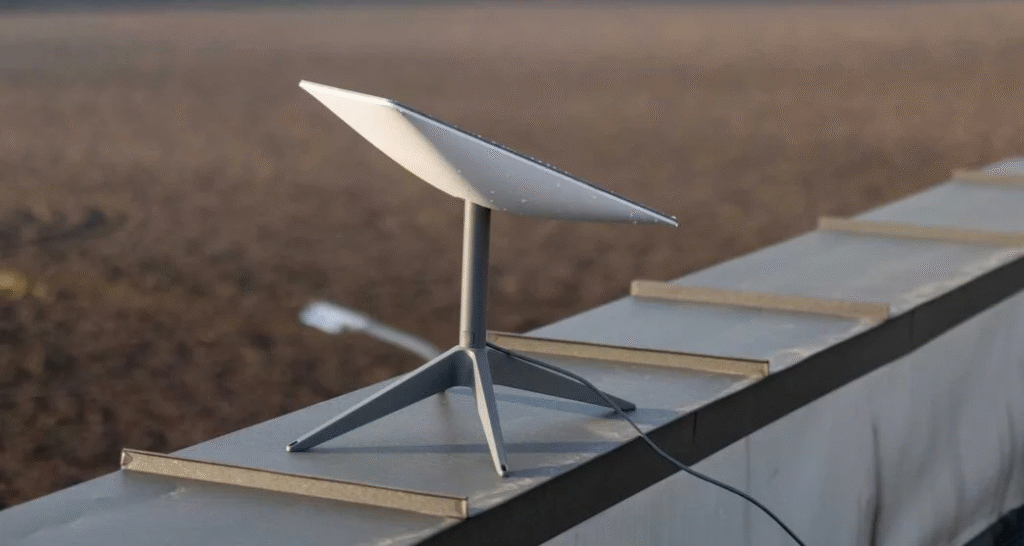
Until now, owners of the Starlink Mini terminal —priced at $499 and marketed as a “pay when you use” solution— could suspend and resume their service at no cost, saving significant amounts during downtime. Under the new policy, any pause will mean an annual extra cost of nearly $60, without any notable added benefits. Reports from tech forums and user communities, including Reddit, indicate that data speeds in this mode are severely limited to around 0.5 Mbps, a fraction of the over 100 Mbps that the Roam plan can deliver under normal conditions.
The real issue extends beyond the fee itself. It signals a shift in Starlink’s promise: from an elastic, on-demand service model to an embedded subscription framework. Canceling the service outright and later reactivating it remains possible, but with conditions —including the risk of being unable to reconnect if the coverage area is already at capacity— this option carries uncertainty that did not exist before.
This move reflects an inevitable tension between business sustainability and customer trust. On one hand, satellite infrastructure requires steady revenue to remain viable; on the other, such changes can erode the confidence of those who purchased the device precisely for its flexibility. Telecommunications analysts draw parallels with similar moves by digital platforms: fragmenting the “freemium” model and progressively restricting free access. Starlink now risks alienating its base of travelers and emerging-market users, particularly if alternatives such as Amazon Kuiper become more competitive.
From a geopolitical perspective, the timing is notable. The shift comes as SpaceX increasingly seeks to monetize its technology in residential markets and urban areas. Yet, as digital market experts note, securing recurring revenue must not come at the cost of eroding the brand’s unique competitive advantage. Turning free pause into a fixed-fee service may work in the short term, but if it undermines the perception of innovation, it could create space for rivals with a more transparent offering.
From Phoenix24’s editorial lens, this represents a medium-level information risk: it is not a major product crisis, but it may mark a loss of coherence in the brand narrative. For occasional users, what was once a symbol of digital freedom is now a recurring charge without added value. Flexibility, a strategic pillar of Starlink’s value proposition, is compromised every time a fee appears where there once was none.
This piece was developed by the Phoenix24 editorial team using verified international sources, public data, and rigorous analysis in alignment with the current global context.
Esta pieza fue desarrollada por el equipo editorial de Phoenix24 con base en fuentes internacionales verificadas, datos públicos y análisis riguroso en coherencia con el contexto global vigente.