

 Phoenix 24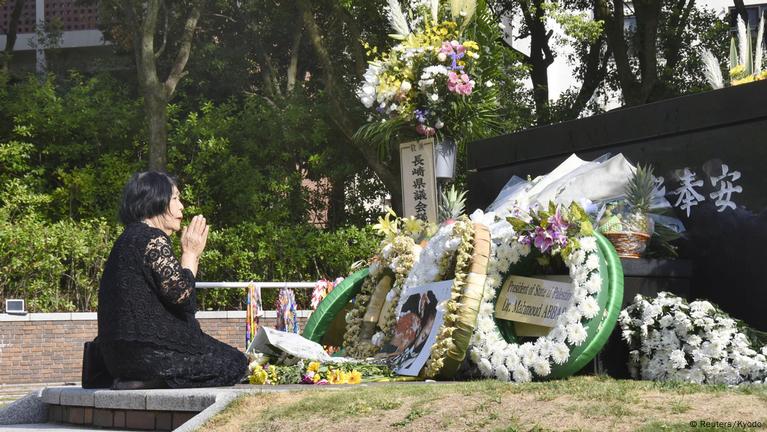
A fragile legacy of suffering turns into a global warning as the mayor stands at the ruins of history, demanding the world abolish nuclear weapons—now.
Brussels, August 2025
On August 9, 2025, Nagasaki commemorated the 80th anniversary of the atomic bombing with a ceremony that echoed across generations and continents. At 11:02 a.m., mourners observed a poignant minute of silence while twin cathedral bells tolled for the first time in eight decades—a symbol resurrected from the ashes of Urakami Cathedral’s destruction, now restored to ring in defiance of history’s worst blunders.
Thousands, including diplomatic delegations from 95 nations, gathered at Peace Memorial Park. Mayor Shiro Suzuki, a descendant of a hibakusha and bearer of a survivor’s legacy, stood at the podium to deliver a warning fraught with urgency and moral clarity. He cautioned that a new nuclear war is no longer a distant menace but an imminent peril facing all humanity, urging leaders to reinvigorate commitments under the U.N. Charter and to embrace concrete steps toward disarmament.
The gravity of that moment was heightened by the voices of survivors like 93-year-old Hiroshi Nishioka, whose words drew a chilling portrait of the blast’s aftermath—bleeding gums, hair loss, and creeping death—underlining that even post-war wearers of survival bore invisible wounds. “Never use nuclear weapons again, or we’re finished,” he declared.
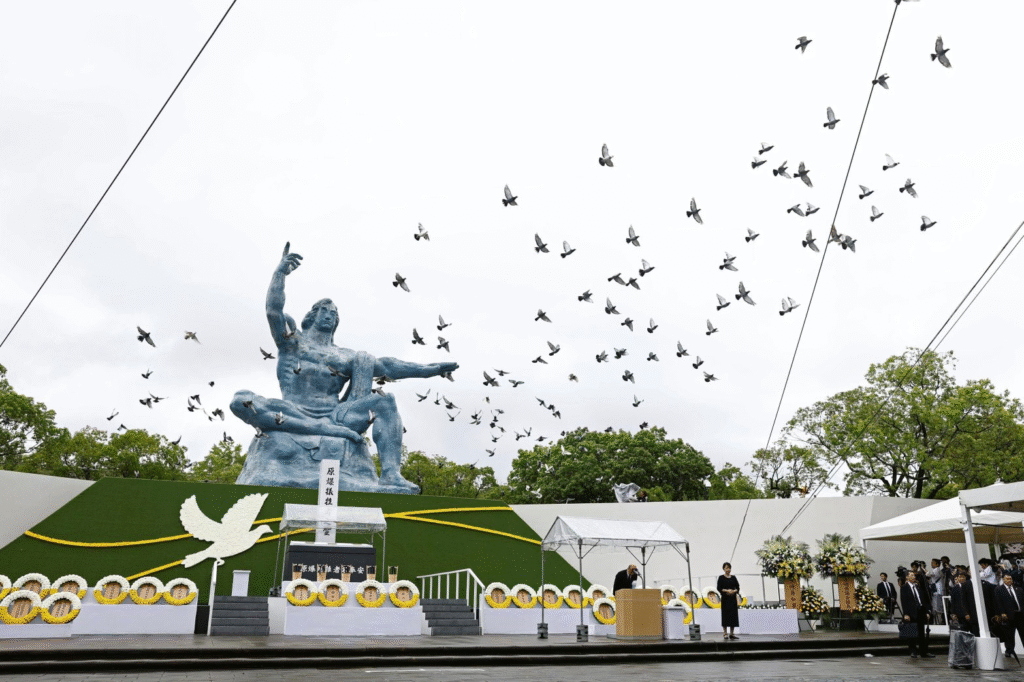
As the number of hibakusha dwindles—now under 100,000—their testimonies grow more precious and urgent. Younger generations are being entrusted with their stories, with digital archives and school outreach becoming new frontlines in peace education and memory preservation.
Japan’s Prime Minister reaffirmed national commitment to a nuclear-free world while also maintaining the security alliance with the United States—a tension mirrored in Japan’s continued absence from the UN Treaty on the Prohibition of Nuclear Weapons, highlighting the strategic compromise at the heart of its post-war posture.
Mayor Suzuki’s message was simple yet powerful: delaying the abolition of nuclear arms is no longer just irresponsible—it is inhuman. He called for a specific roadmap at the upcoming Nuclear Non-Proliferation Treaty review next year, stressing that Nagasaki must remain the last city ever targeted by such weapons.
What Nagasaki delivered on this solemn day is more than remembrance—it is a geopolitical beacon, standing at the intersection of history, memory, and strategic imperative. The restored bells, the survivors’ speeches, the international presence, and the mayor’s declaration converge into a multilayered message: the nuclear threat is not confined to textbooks or old archives—it is alive, present, and urgent.
This note was elaborated by the Phoenix24 editorial team based on public information, verified international sources, and independent geopolitical analysis.
This article was produced by the Phoenix24 editorial team based on public information, verified international sources, and independent geopolitical analysis.