

 Phoenix 24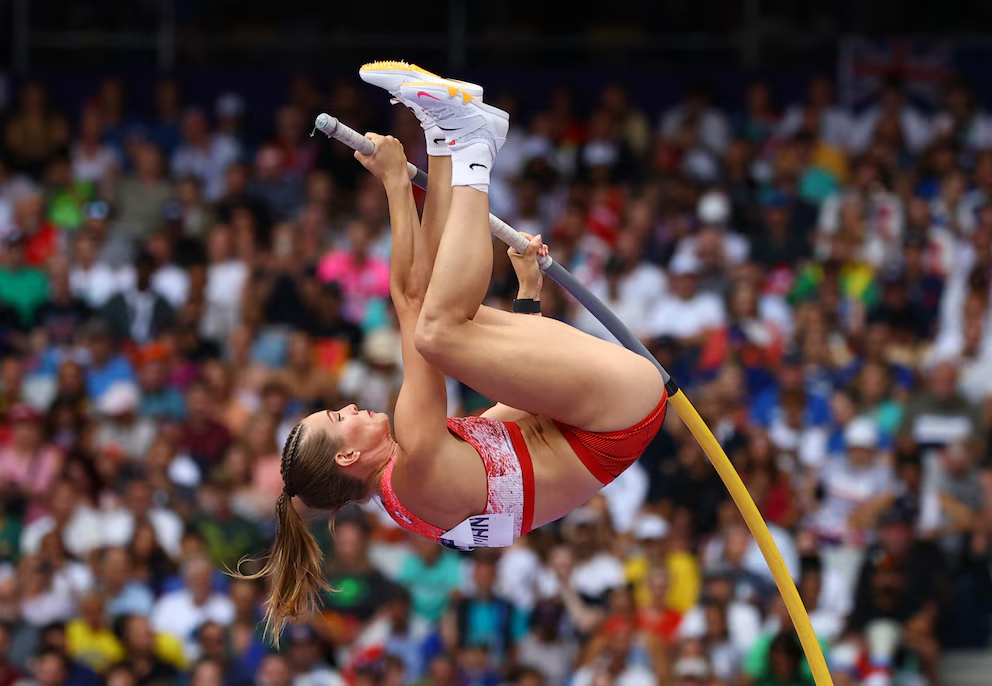
The intersection of sport, autonomy and public scrutiny takes an unexpected shape when the athlete becomes both icon and target.
Toronto, October 2025
Alysha Newman, the Canadian pole vault athlete who ascended to Olympic medal status in Paris 2024, has stirred controversy beyond the track with her decision to build a presence on OnlyFans. This bold move has reframed debates about self-representation in sports, but also brought unwanted attention in the form of bizarre public requests and scrutiny over how society views female athletes who shop their own image.
Newman, the first Canadian woman to win Olympic hardware in the pole vault, explained in interviews that the decision to launch an OnlyFans account stemmed from the desire to seize control over her narrative. She said her platform allows her to manage how she is seen, monetarily support her athletic career, and challenge the policing of her body. She recalled childhood pressures that framed athleticism and modeling as irrevocably opposed paths:
“Growing up, people told me I had to pick: athlete or model. I believed them for a long time. I gave all of myself to sport.”
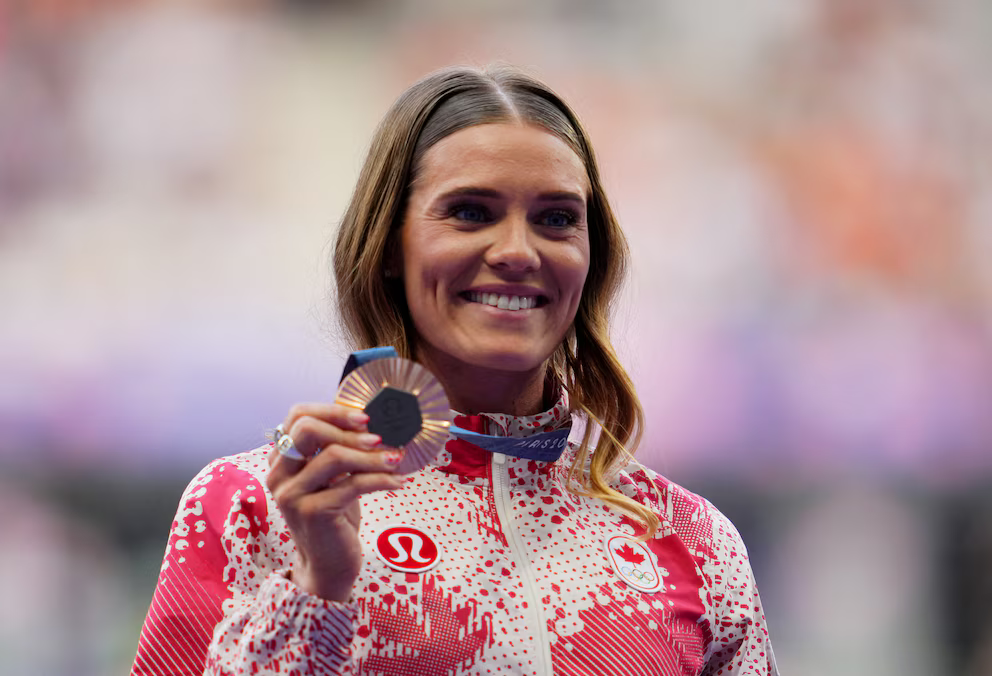
Her Olympic achievement, while monumental, she described as just one milestone in a larger journey. The real significance lies in her ability to define her value on her own terms. Yet even as she gains followers and visibility, Newman admits to receiving requests she considers strange or invasive — for instance, fans asking to see all her medals lined up together. That kind of demand, she says, reduces achievements to spectacle.

In the wake of her Paris success, Newman’s OnlyFans subscription numbers spiked, especially after she posted a celebratory dance. But that visibility comes with backlash. She has spoken candidly about persistent—and confounding—requests from strangers that cross boundaries of respect and decency. Her experience underscores the tension female athletes face when blending performance, public persona, and monetization.

Throughout her career, Newman argued, she has been sexualized in sport regardless of how modest her attire. She recounted instances where even full-cover activewear invited commentary about her body rather than focus on her technique. Her move into a self-curated platform represents rejection of that paradigm: she asserts that if she will be viewed through a lens of sexuality regardless, she may as well control the lens.
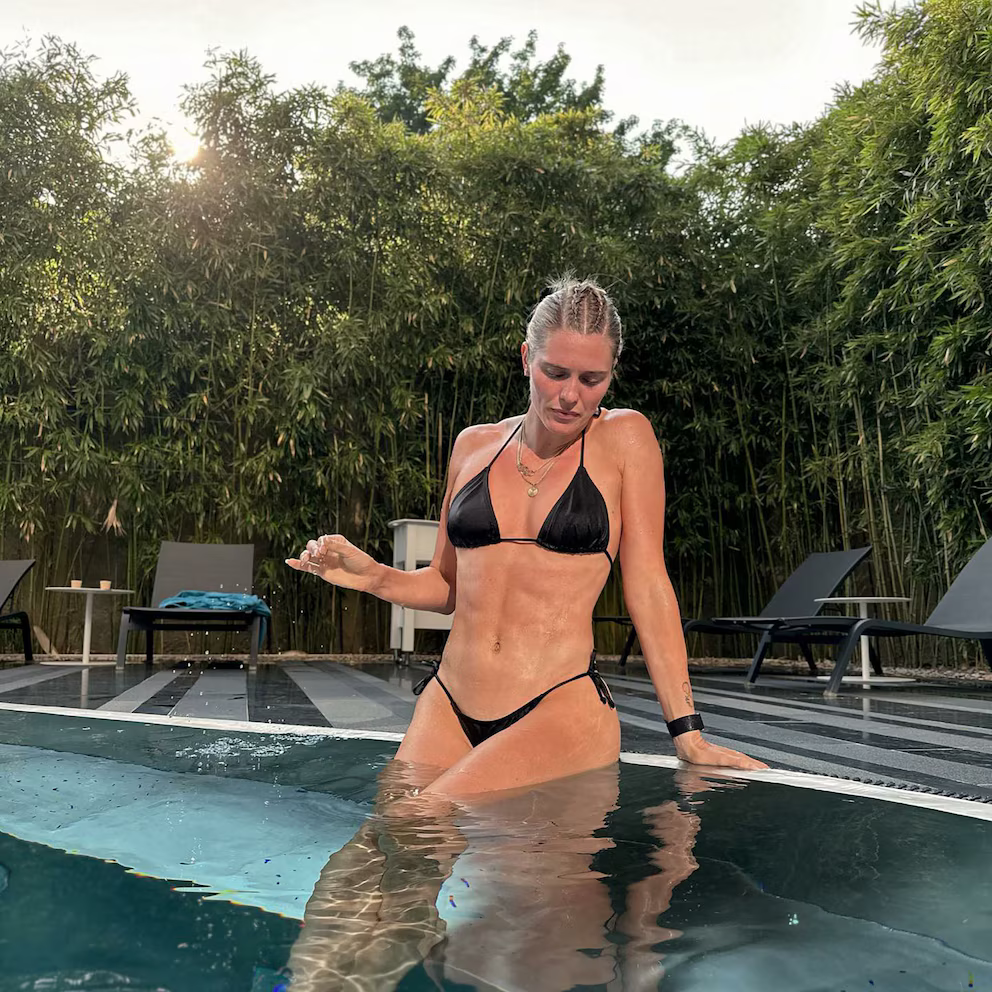
Her story also spotlights broader structural issues in elite sport. Newman has highlighted the disparities created by financial constraints, arguing that many athletes drop out despite talent due to lack of funding, infrastructure or social support. She frames her OnlyFans earnings as a tool to ballast those inequalities. Her hope is to help ensure that no aspiring athlete is left behind merely because of background or resources.

Yet the controversy raises sharp questions about public perception and media double standards. When male athletes monetize image or enter media projects, the reaction often veers toward celebration. When female athletes do the same, society’s judgment often shifts toward moralizing or trivialization. Newman’s case forces a reckoning: does society respect female autonomy in sport or merely tolerate it under narrow conditions?
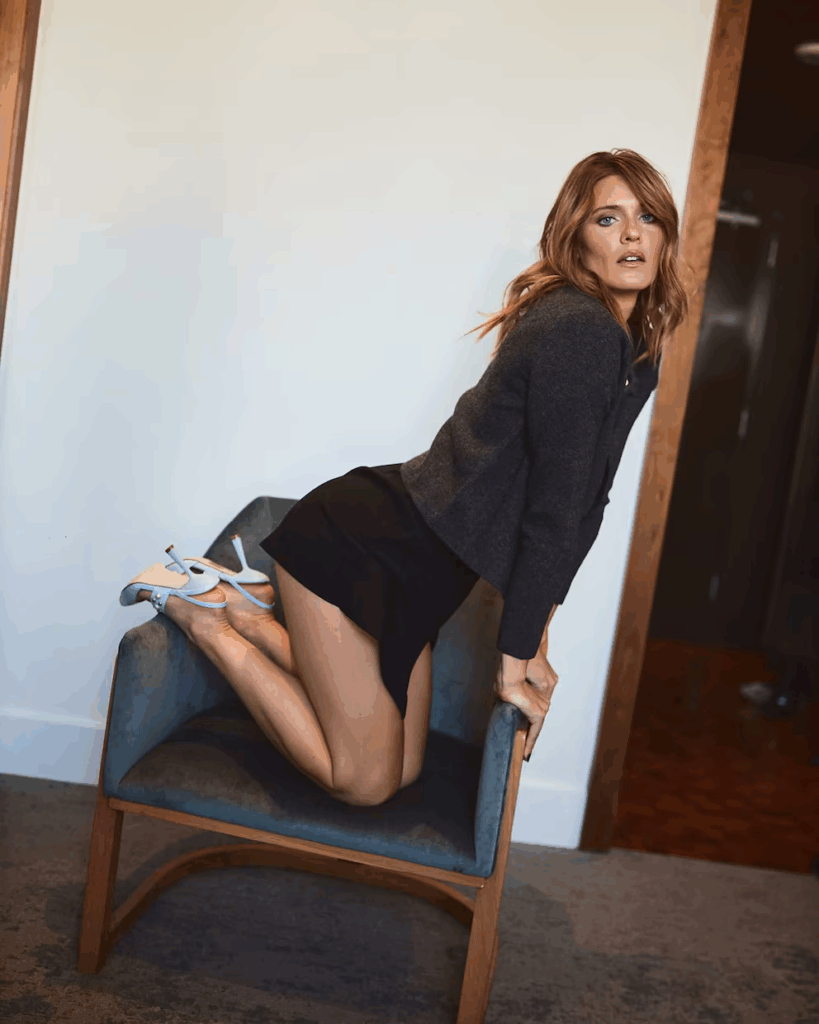
For Newman herself, the stakes are personal, not just symbolic. She must maintain performance at the highest levels even as she navigates scrutiny over her outside ventures. The intersection of athletic expectations, brand identity, and public morality complicates her path forward. Every vault, every post, becomes part of a broader narrative contested by fans, media and cultural norms.
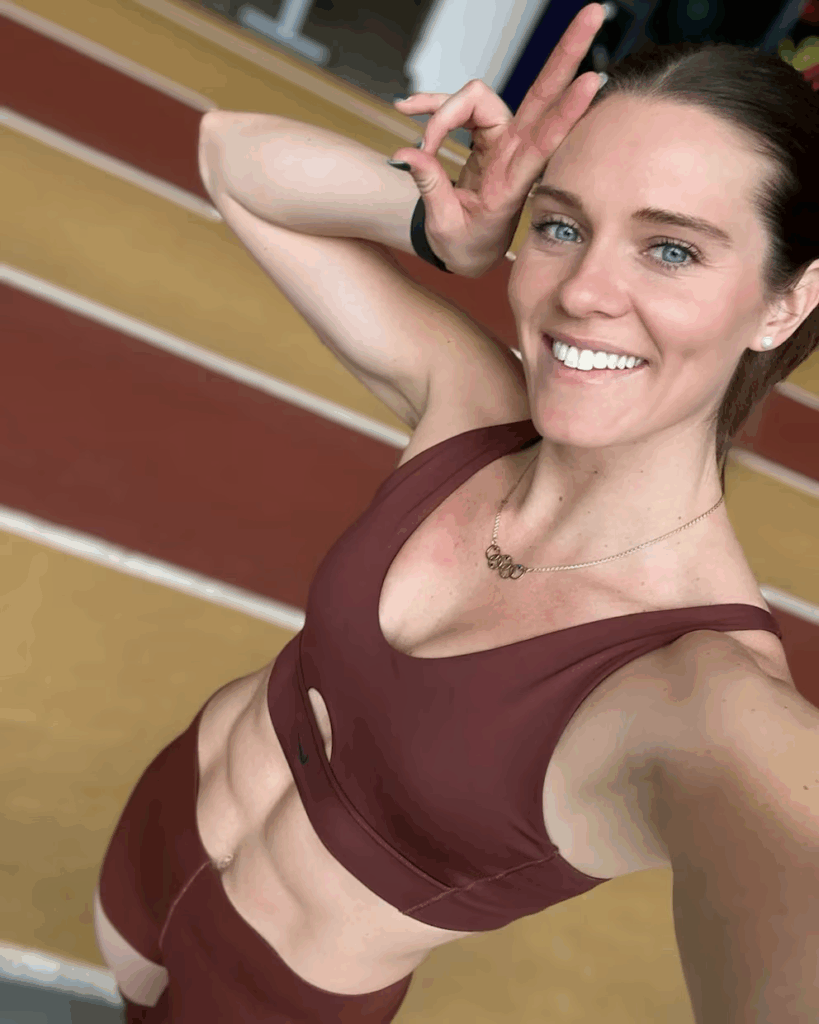
Newman personifies a new generation of athletes who straddle multiple roles — competitor, entrepreneur, creator. Her choices may recalibrate how we define agency, publicity and respect in sport. Whether she is embraced or criticized, her journey illustrates that the boundaries between achievement and exposure are no longer separate.
Each silence speaks. / Cada silencio habla.