

 Phoenix 24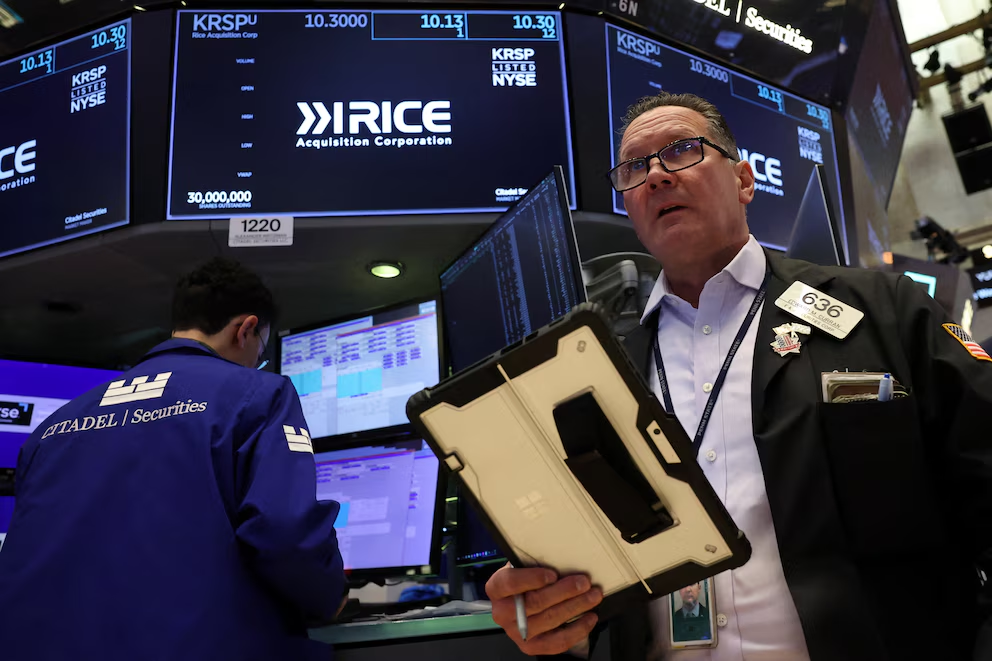
When fear takes a step back, the market starts to breathe again.
New York, October 2025
U.S. stock markets surged on Monday as optimism returned to Wall Street following a wave of easing tensions between Washington and Beijing. Major indexes closed with robust gains, led by technology and artificial intelligence companies that once again became the engines of investor confidence. The S&P 500 climbed about 1.6 percent, the Dow Jones Industrial Average advanced 1.3 percent, and the Nasdaq Composite soared roughly 2.2 percent in one of its strongest sessions of the quarter.
The rally was fueled by a softer tone from President Donald Trump regarding ongoing trade talks with China. Investors interpreted his remarks as a signal of possible de-escalation after weeks of uncertainty that had rattled global markets. The shift in tone provided a psychological lift to traders who had been reducing risk exposure amid fears of a prolonged tariff conflict.
Broadcom Inc. became the day’s highlight, jumping nearly 10 percent after announcing a new strategic alliance in artificial intelligence designed to expand its data-processing infrastructure across North America and Asia. The announcement sparked enthusiasm across the semiconductor sector and extended gains to other tech giants, which together added billions of dollars in market capitalization.
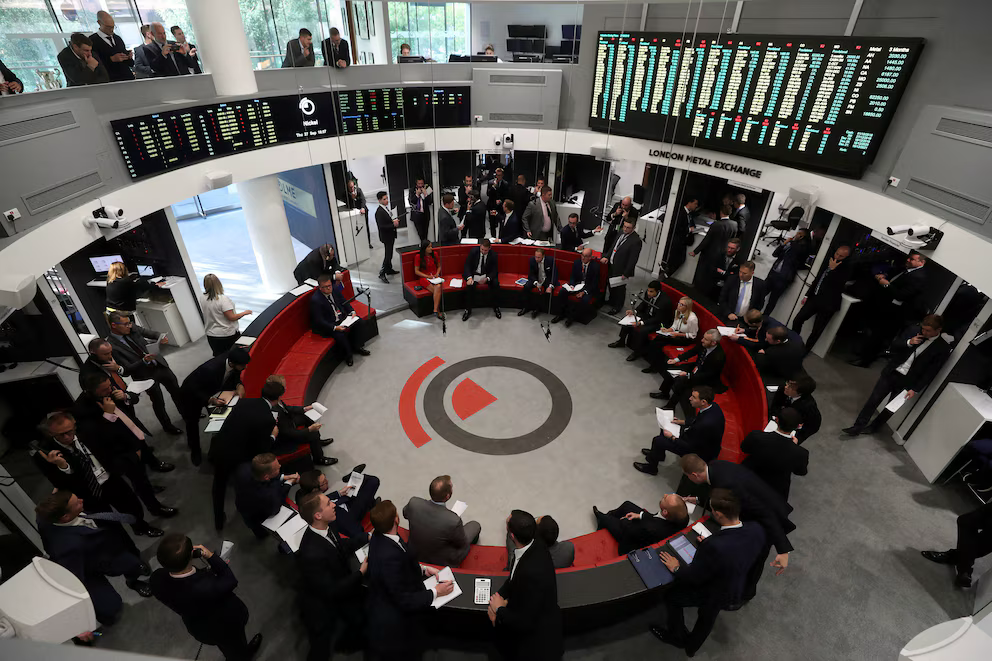
Beyond technology, gains were widespread. Ten of the eleven S&P 500 sectors ended in positive territory, signaling a broad-based rebound rather than a narrow recovery driven by a few mega-cap firms. Financials, industrials, and consumer discretionary stocks also recorded notable increases, suggesting that investors are cautiously re-entering cyclical areas of the market.
Analysts, however, urged restraint. Although the upward move reflected relief and technical recovery, structural risks remain. The trade dispute has not been resolved, and upcoming macroeconomic indicators may still test investor sentiment. Many portfolio managers emphasized that sustainable growth will depend on evidence of stronger earnings, steady inflation levels, and tangible diplomatic progress.
Several financial institutions have already revised their short-term outlooks. According to independent reports, institutional traders are pricing a calmer fourth quarter, anticipating that moderation in political rhetoric could stabilize global supply chains. Others warn that markets may be overreacting to temporary signals and could face corrections if data from manufacturing or employment weaken in the coming weeks.
What remains clear is that Wall Street’s momentum has shifted, at least temporarily. The combination of a political pause and renewed enthusiasm for artificial intelligence provided the spark needed to reverse sentiment. Yet volatility is likely to persist, given the delicate balance between optimism and caution that defines the current economic landscape.
For now, Monday’s close represents a rare alignment of calm and confidence after months of turbulence. Whether this rally marks the beginning of a sustained trend or just a reprieve in a volatile year will depend on how much substance follows the rhetoric.
Phoenix24: clarity in the grey zone. / Phoenix24: claridad en la zona gris.