

 Phoenix 24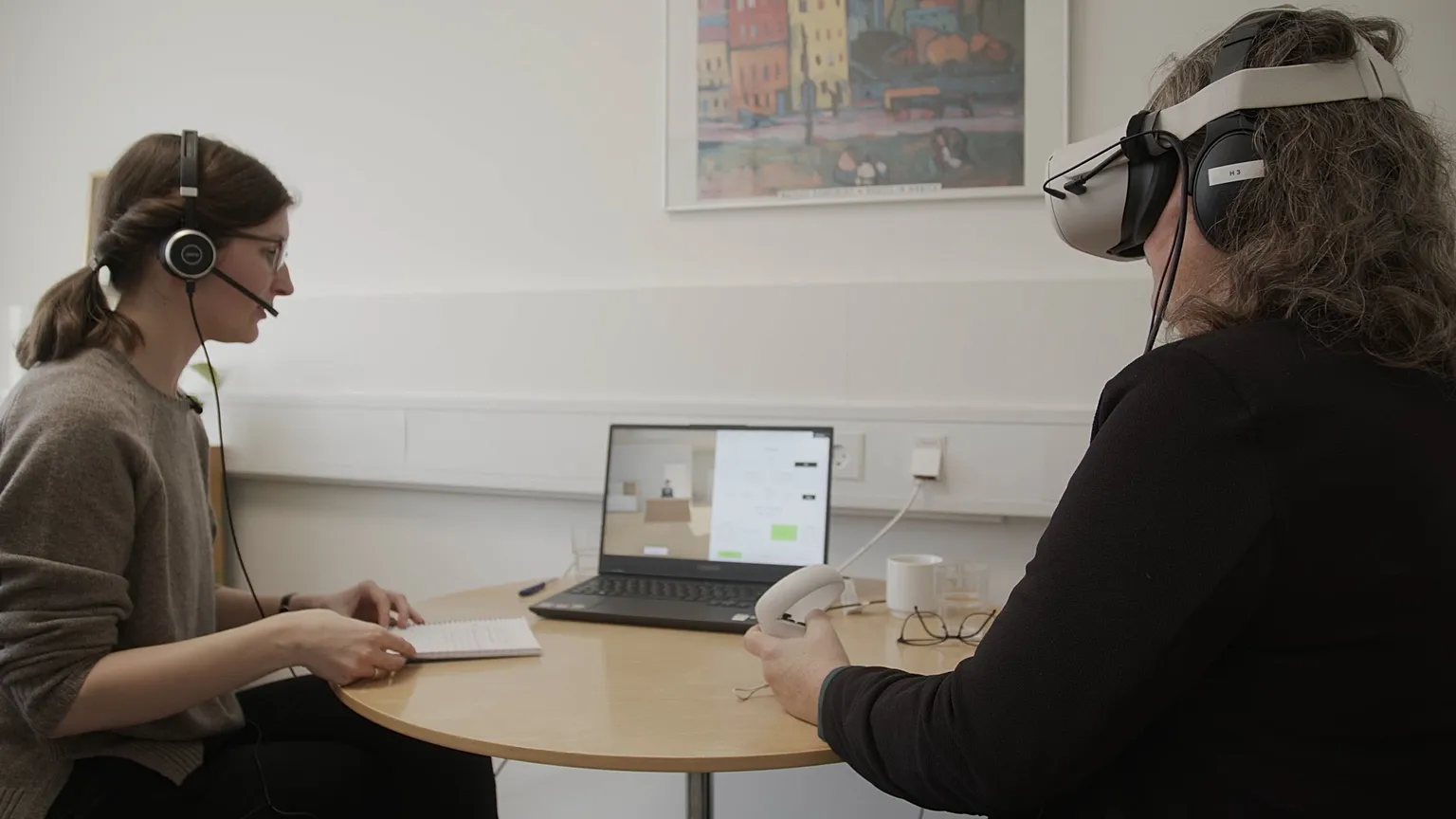
A digital confrontation opens new possibilities for psychiatric care.
Copenhagen, Denmark.
Virtual reality therapy has helped a Danish woman overcome auditory hallucinations that had dominated her life for 27 years, highlighting a promising development in the treatment of schizophrenia. Vibeke Andersen, who had experienced repeated psychiatric hospitalizations, participated in an experimental intervention developed by researchers at Copenhagen University Hospital. Instead of attempting to ignore the distressing voices, she confronted a personalized digital representation of them. Her experience, reported by Euronews Health on August 29, illustrates how immersive technology may help patients regain control over persistent psychiatric symptoms.
The intervention was developed by the VIRTU research group as part of the CHALLENGE clinical trial. Therapists created a virtual avatar resembling the appearance and sound Andersen associated with her dominant hallucinated voice. Wearing a virtual reality headset, she encountered the digital character while a therapist reproduced familiar statements using voice-transformation software. The controlled interaction allowed her to challenge the voice and practice responding more assertively.
The treatment was not emotionally straightforward. Around the fourth or fifth session, Andersen experienced sufficient distress that her therapists considered discontinuing the intervention. She nevertheless chose to continue, gradually developing a different relationship with the voice that had influenced her thoughts and daily activities for decades. By her final scheduled session, she reported that the hallucinated voice had disappeared.
Her experience forms part of a larger scientific investigation rather than an isolated technological demonstration. The randomized CHALLENGE trial included 270 adults with schizophrenia-spectrum disorders and persistent auditory hallucinations that had responded insufficiently to antipsychotic medication. Participants received either virtual reality therapy or enhanced standard care with supportive counseling. Results published in The Lancet Psychiatry in 2025 showed a statistically significant reduction in overall hallucination severity after 12 weeks, alongside lower voice frequency at both 12 and 24 weeks.
The findings require careful interpretation. The measured improvement in overall severity was relatively modest, and the trial did not establish that virtual reality eliminates hallucinations or cures schizophrenia. Six serious adverse events were considered potentially related to the intervention, including five hospital admissions following worsening hallucinations and one episode of self-harm. These outcomes reinforce the importance of clinical supervision, individualized assessment and safeguards during treatment.
Researchers are now examining how artificial intelligence might extend the therapeutic approach. One possibility involves developing AI-supported virtual environments that allow patients to practice coping strategies outside clinical appointments after completing supervised therapy. Such systems could improve access to psychological support, but their safety and effectiveness would require independent evaluation. Severe psychiatric symptoms make human clinical oversight particularly important.
Five years after treatment, Andersen reported that the voices had not returned. She has since begun studying to become a social worker, describing a renewed sense of personal identity beyond her psychiatric diagnosis. Her individual recovery offers a compelling account of what targeted psychological intervention can achieve without establishing that every patient will experience the same outcome.
The scientific significance extends beyond immersive technology itself. By transforming an internal experience into an interactive therapeutic encounter, researchers are investigating whether patients can develop greater agency over symptoms previously experienced as uncontrollable. Virtual reality may become an additional instrument in psychiatric care, but its development must remain grounded in clinical evidence, psychological safety and the individual needs of patients.
La verdad es estructura, no ruido. / Truth is structure, not noise.