

 Phoenix 24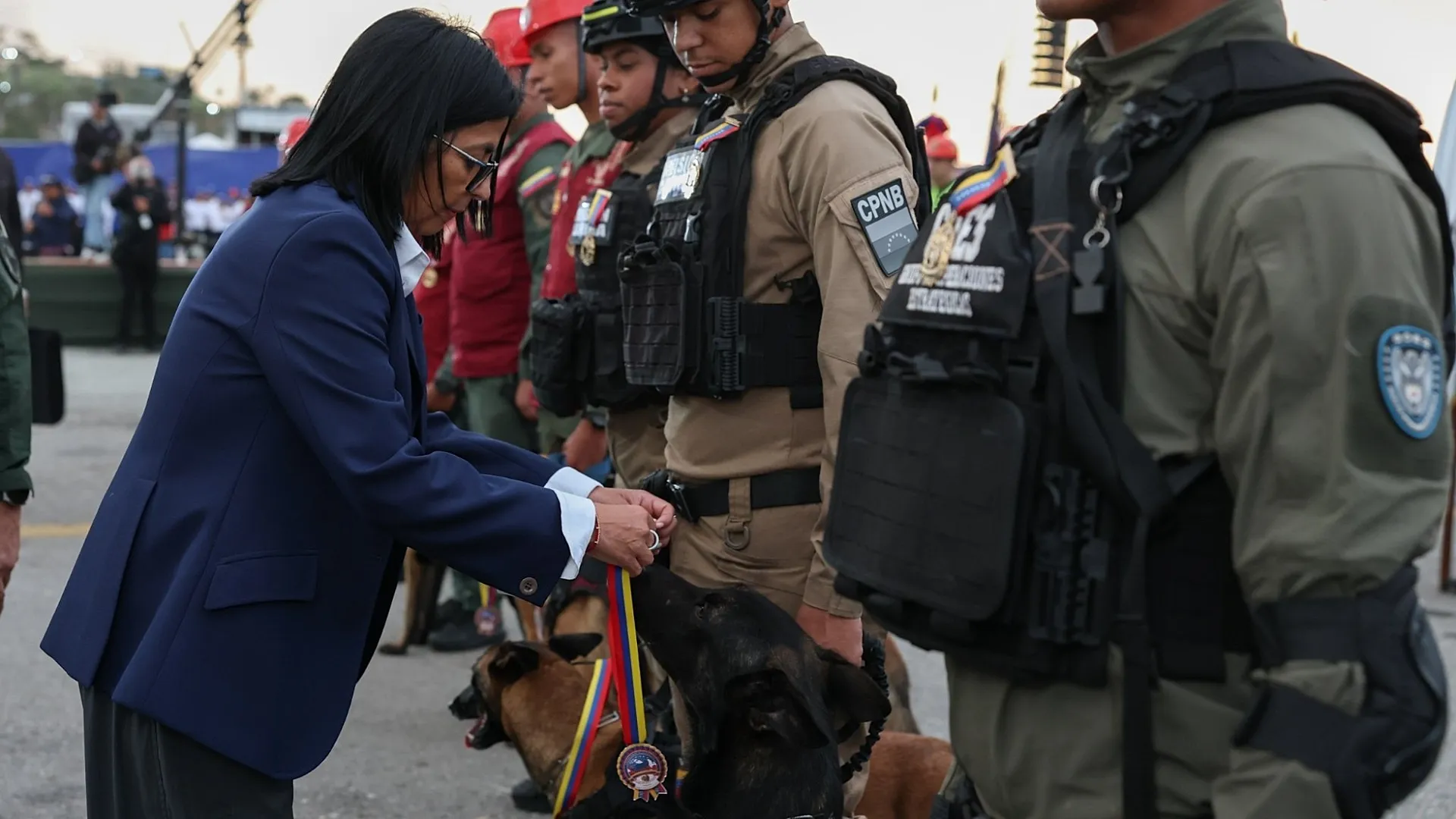
Aftershocks, displacement and recovery define a national tragedy.
Caracas | July 2026
Venezuela has raised the official death toll from the devastating earthquakes of June 24 to 5,119 after authorities added 50 more victims to the national count. Nearly one month after the disaster, thousands of families remain displaced while emergency teams move from rescue operations toward humanitarian assistance, structural inspections and long-term reconstruction.
Euronews reported that the updated figure was announced by National Assembly President Jorge Rodríguez through an official bulletin. The number continues to change as authorities identify victims, recover remains and consolidate information from the areas most severely affected by the two powerful earthquakes.
The disaster began when earthquakes measuring magnitude 7.2 and 7.5 struck only 39 seconds apart. The short interval between the two events intensified structural damage and left communities with almost no time to respond before the second movement affected already weakened buildings.
Government figures indicate that 16,740 people were injured and 6,462 were rescued after the earthquakes. Emergency workers entered collapsed structures, unstable buildings and damaged neighborhoods while confronting blocked roads, disrupted services and the constant possibility of additional seismic activity.
Authorities have registered approximately 1,350 aftershocks since June 24. The continuing movement has maintained anxiety among residents and complicated technical inspections, demolition decisions and early reconstruction work, particularly in La Guaira and other heavily damaged areas.
Aftershocks are common following major earthquakes, but their persistence can prolong the emergency. Even moderate secondary movements may further weaken structures that survived the initial shocks, forcing engineers and civil protection officials to reassess whether homes, hospitals, schools and public buildings remain safe.
The government reported that 17,907 people were left without housing. Official information also stated that 21,470 people remained in 107 temporary camps, although the relationship between the two figures was not clearly reconciled in the published account.
Temporary shelters have become central to the humanitarian response. Families require food, drinking water, sanitation, medicines, psychological assistance and protection while authorities determine whether damaged neighborhoods can be restored or must be partially rebuilt elsewhere.
The Venezuelan government says 128,324 families have received some form of assistance since the emergency began. That figure includes people directly affected by building collapses as well as households experiencing interruptions to essential services, economic activity or access to local infrastructure.
International rescue and humanitarian teams have played a significant role. Approximately 2,278 foreign rescuers from more than 20 countries remained involved in assistance operations, although many international teams have started withdrawing after several weeks without new survivors being found beneath the debris.
The gradual departure of specialized rescue personnel marks a difficult transition. During the first days after an earthquake, operations focus on locating people alive and reaching collapsed structures as quickly as possible. As time passes, priorities shift toward recovering victims, supporting displaced families and preventing additional deaths caused by disease, unsafe buildings or insufficient services.
Humanitarian assistance continues to arrive from abroad. Uruguay dispatched an aircraft carrying 15 tonnes of medical supplies, medicines and hygiene kits based on needs identified by Venezuelan authorities during the current phase of the emergency.
Spain, Portugal, Iran and the United States were also among the countries that provided assistance after the earthquakes. International cooperation has supplied specialized personnel, medical materials and emergency resources during a disaster that exceeded the response capacity of many local institutions.
Against this backdrop, acting president Delcy Rodríguez honored 6,000 rescuers and canine units for their participation in the emergency. The ceremony recognized personnel who remained in areas where collapsed structures, repeated aftershocks and difficult access made rescue work exceptionally dangerous.
Rodríguez said the uniforms worn by the emergency teams represented honor and dignity. She noted that as many as 30,000 public officials were mobilized during the national response, reflecting the scale of the operation across security, medical, logistical and civil-protection services.
Some rescuers continued working despite losing relatives, colleagues or homes of their own. Their responsibilities placed them between personal grief and the immediate need to help other families searching for missing relatives or attempting to leave unsafe buildings.
The recognition included members of the Bolivarian National Armed Forces, Civil Protection, fire departments, police organizations and criminal-investigation services. Personnel from forensic institutions, emergency coordination centers, transport agencies, security units and the Venezuelan Red Cross were also represented.
Search dogs played an essential role during the first stages of the disaster. Their ability to detect human scent in collapsed structures allowed teams to identify areas requiring urgent excavation when visibility was limited and mechanical equipment could not operate safely.
The ceremony provided public recognition, but the emergency remains unresolved. Thousands of people continue living outside permanent homes, while damaged infrastructure requires extensive evaluation before reconstruction can advance at scale.
The earthquakes also created economic consequences extending beyond the destruction of buildings. Families lost businesses, tools, vehicles and sources of income, while damaged roads and public services disrupted commerce and access to employment.
Reconstruction will require decisions about building standards, land use and the safety of communities located in areas exposed to seismic risk. Restoring structures without addressing their vulnerability could reproduce the conditions that contributed to the scale of the tragedy.
Authorities must also maintain transparent and consistent records. Accurate information about deaths, injuries, displacement and assistance is essential for distributing resources, coordinating international support and ensuring that affected communities are not overlooked during the transition from emergency response to reconstruction.
The rising death toll demonstrates that the consequences of a major earthquake continue long after the ground stops moving. Identification processes, hospital deaths and discoveries within damaged areas can alter the official balance for weeks or months.
For Venezuela, the disaster has become both a humanitarian crisis and a test of institutional capacity. The country must support survivors while rebuilding essential infrastructure and preparing communities for the possibility of continued seismic activity.
The tribute to 6,000 rescuers recognizes those who entered the most dangerous spaces during the emergency. Their work saved thousands, but the next stage will depend on whether the same national effort can provide displaced families with safety, stability and a credible path toward recovery.
Phoenix24 | Rescue saves lives, but reconstruction restores futures. El rescate salva vidas, pero la reconstrucción restaura futuros.