

 Phoenix 24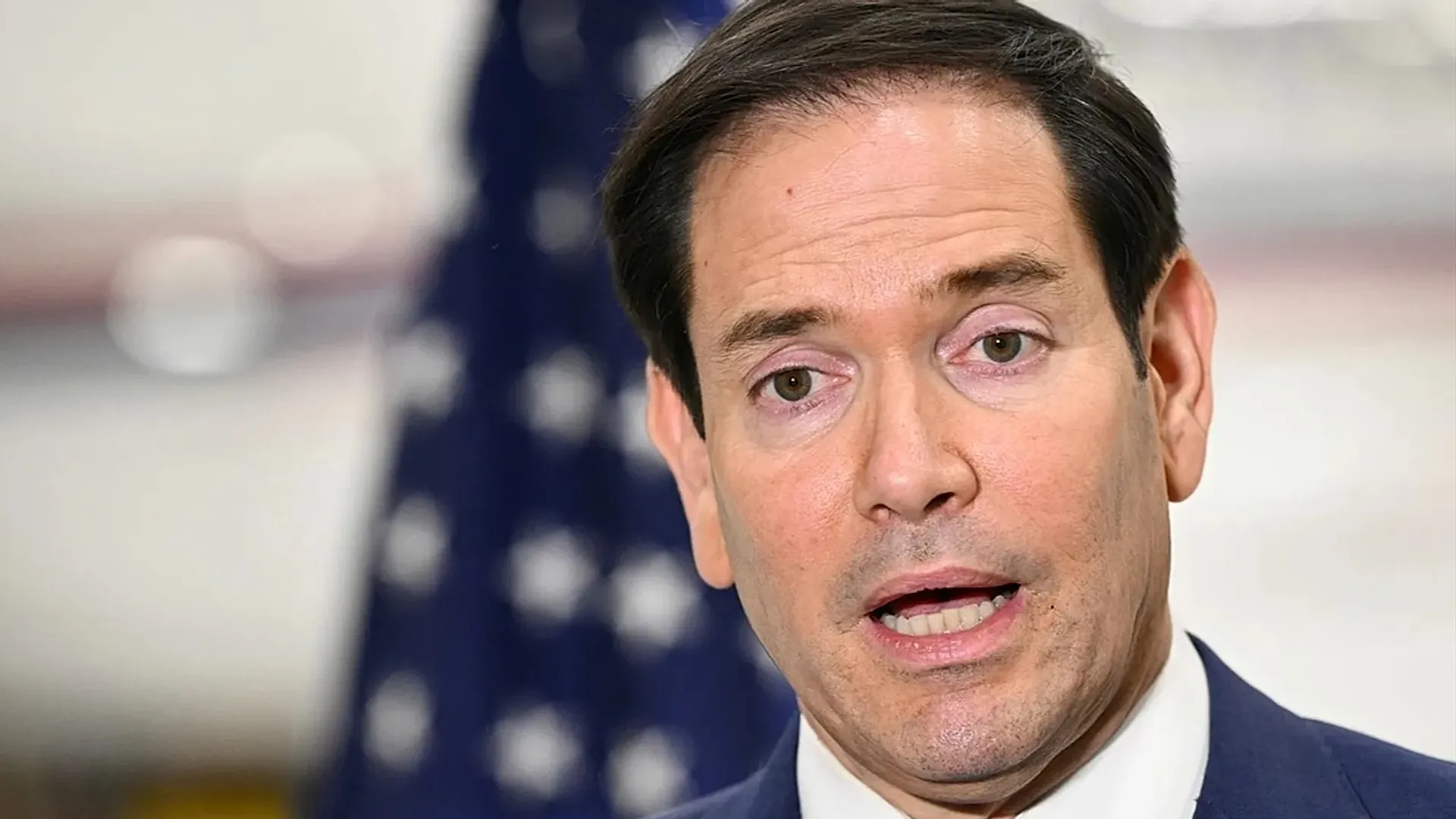
The controversy erupted quickly in Washington, revealing fractures that had long been whispered about inside foreign-policy circles.
Washington D.C., November 2025.
A group of United States senators stated that Marco Rubio privately acknowledged that the 28 point peace proposal championed by Donald Trump for ending the war in Ukraine corresponds almost entirely to the demands historically voiced by Russia. According to their account, the plan aligns so closely with Moscow’s preferences that it could hardly be considered an American-designed framework. The allegation prompted a forceful denial from the administration, which insisted that the senators were misrepresenting Rubio’s words and that the document reflects US strategic priorities rather than any foreign authorship.
The dispute unfolded at a sensitive moment, when the plan itself is already viewed with suspicion by Kyiv and by several European governments who fear that the proposal might embed concessions that undermine Ukrainian sovereignty. Inside the Senate, the fractures surfaced when a bipartisan group confronted Rubio with questions about the origins of specific provisions, including territorial arrangements, a freeze in military operations and recognition of Russian-held zones. Their version of the exchange suggests that Rubio implied the structure resembled a catalogue of Russian expectations, an interpretation that immediately escalated into public debate.
The administration responded by emphasizing that the senators misinterpreted the conversation and that the claim is categorically false. Yet the controversy persisted because it touches on a deeper unease: the perception that the plan may have been shaped under political pressure to deliver rapid de-escalation rather than a durable settlement. For Kyiv, the fear is clear. Any agreement perceived as granting Russia de facto authority over occupied territories risks consolidating the very dynamic the Ukrainian government has spent years trying to reverse. Such anxieties grew after reports circulated that some clauses echoed long standing Russian narratives regarding security guarantees and regional arrangements.
European partners, already unsettled by the contents of the plan, viewed the senators’ remarks as confirmation of their doubts. Analysts in Paris, Berlin and Warsaw noted that the allegation reinforces the possibility that the proposal does not reflect the collective position traditionally upheld by transatlantic allies. The tension arrives at a moment when Europe is attempting to demonstrate strategic cohesion while simultaneously facing pressure from Washington to align with the framework. The dispute therefore not only complicates American domestic politics but also reverberates across diplomatic channels in Europe, where uncertainty weakens confidence in US leadership on Ukraine.
For its part, the Ukrainian government publicly avoided taking sides in the US domestic disagreement, but officials indicated privately that the episode highlights what they have feared for months: that the peace plan may be driven by political calculations rather than by the long term conditions required for sovereignty and security. The prospect of negotiations shaped by a document susceptible to foreign influence alarms Kyiv, particularly as it seeks assurances that any settlement must involve the full restoration of territorial integrity. Ukraine’s concern is further fueled by battlefield conditions in regions such as Donetsk and Zaporizhzhia, where attrition has intensified pressure on its leaders.
Within Washington, the controversy underscores how fragmented the national conversation on Ukraine has become. Some lawmakers argue that America should prioritize stability through rapid diplomatic compromise, while others insist that any framework aligning with Russian positions would weaken the credibility of US commitments and embolden adversaries. Rubio attempted to defuse the dispute by stating that the senators had misunderstood his remarks, reiterating that the plan is meant to serve US strategic interests while encouraging all parties to pursue de-escalation. Still, the clarification did little to stop political actors from framing the episode as evidence of confusion or inconsistency at the highest levels of foreign-policy design.
The situation also raises broader questions about how peace proposals are communicated during periods of geopolitical tension. When the origin of a negotiation framework becomes contested, its legitimacy suffers long before any talks begin. This dynamic threatens to weaken American influence not only with Kyiv but with European allies who rely on coherent transatlantic leadership. Moreover, Russia closely monitors these fractures, as internal discord within the United States enhances its own strategic leverage.
Ultimately, the dispute surrounding the alleged comments about the peace plan’s authorship speaks to a larger challenge: the difficulty of formulating a credible diplomatic roadmap in an environment marked by mistrust, political polarization and intense battlefield uncertainty. As the war grinds on, the credibility of any proposed settlement depends not only on its content but also on the coherence and unity of those presenting it. The current controversy signals that such unity remains elusive.
Every silence speaks. / Cada silencio habla.