

 Phoenix 24
Diet is reaching deeper into reproductive health.
Rotterdam, March 2026.
A new study is reinforcing concern over ultraprocessed foods by suggesting that their impact may begin far earlier than many people assume, reaching into conception itself and the earliest stages of embryonic development. The research indicates that diets high in these products could be associated not only with poorer fertility outcomes in men, but also with measurable changes in early embryo growth during pregnancy.
The findings are important because they expand the conversation beyond general nutrition or chronic disease. For women, greater consumption of ultraprocessed foods was associated with slightly smaller embryonic size and reduced yolk sac volume in the first weeks of gestation. These are not trivial observations. They are early developmental indicators that can reflect the quality of the biological environment in which pregnancy begins.

In men, the pattern appeared through fertility outcomes. A diet with a higher proportion of ultraprocessed foods was linked to a lower probability of conception in the first month and to a greater likelihood of subfertility, meaning a longer time to achieve pregnancy or a greater need for assisted reproduction. This suggests that nutrition may be influencing reproductive potential on both sides, not only through maternal health, but also through paternal biological quality.
That broader perspective matters. Reproductive health has often been framed primarily around the woman’s body, especially once pregnancy begins. This study challenges that narrower lens by showing that the nutritional habits of both partners may shape conditions before and during the earliest stages of life. In that sense, conception appears less like an isolated biological event and more like a process influenced by shared lifestyle patterns.

The mechanism is still being studied, but the nutritional profile of ultraprocessed foods offers a plausible explanation. These products are usually high in sugars, unhealthy fats, salt and additives, while remaining poor in fiber and essential nutrients. Such imbalances may affect hormonal regulation, inflammation, metabolism and cellular quality, all of which matter in fertility and early embryonic development.
It is important not to overstate the findings. The study shows associations, not absolute proof of direct causation, and the observed differences are relatively small at the individual level. Even so, small variations can become meaningful when multiplied across large populations, especially if they influence risks later linked to pregnancy stability, birth weight or broader developmental outcomes.
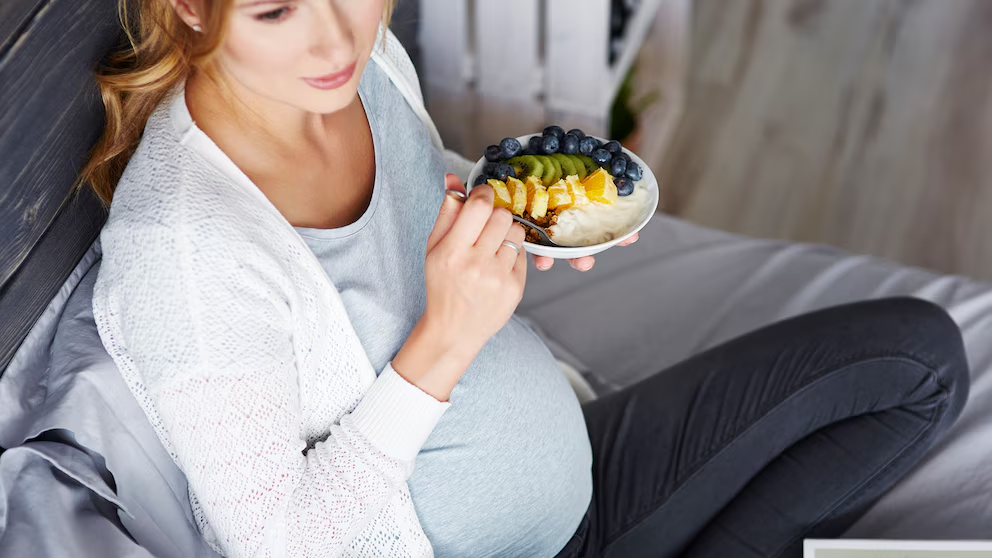
What this research ultimately suggests is a shift in timing. The health of the next generation may begin taking shape earlier than many people think, even before pregnancy is confirmed. Under that view, diet stops being only a matter of personal wellness and becomes part of the biological context in which new life begins.
Lo visible y lo oculto, en contexto. / The visible and the hidden, in context.