

 Phoenix 24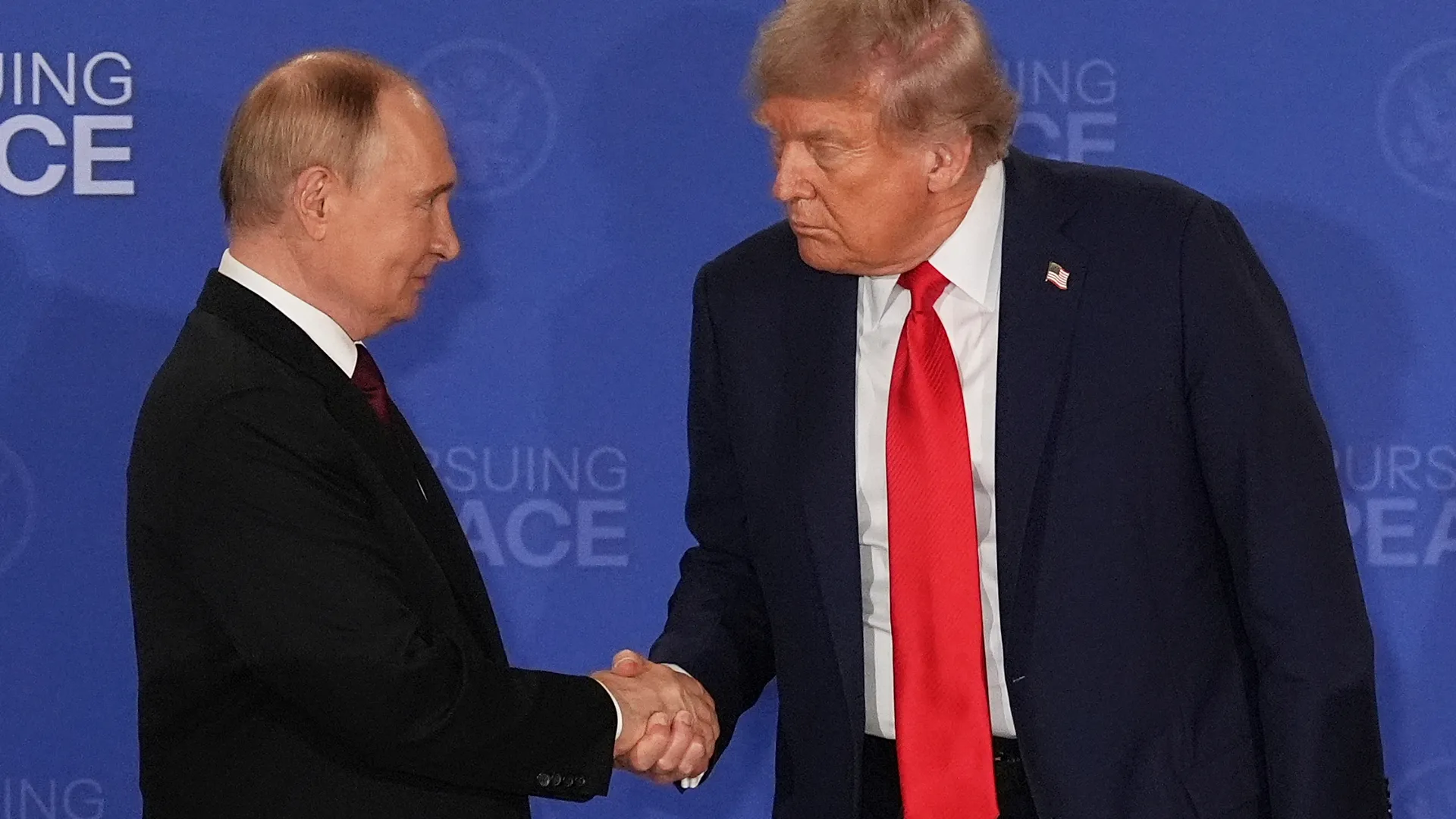
The call lasted barely ten minutes, yet it reignited the global rumor mill.
Washington, October 2025.
U.S. President Donald Trump has confirmed his intention to meet Russian leader Vladimir Putin in Budapest in what he described as a “decisive effort” to end the war in Ukraine. The announcement, made after what Trump called a “productive and respectful” phone conversation, instantly reshaped the diplomatic horizon from Washington to Brussels. The summit, still without an official date, is expected to occur shortly before Ukrainian President Volodymyr Zelensky’s long-planned visit to the White House.
According to senior aides in the U.S. National Security Council, the conversation between both presidents centered on “mutual de-escalation” and a “potential path to ceasefire.” Yet, behind the language of reconciliation lies a web of skepticism. Within NATO headquarters in Brussels, diplomats caution that Moscow has used previous peace gestures as tactical pauses. The alliance’s intelligence branch, drawing from the latest assessments by the Finnish Defence Forces and the Estonian Foreign Intelligence Service, warned that Russian troop rotations near Kharkiv and Mariupol remain at wartime levels.
Hungary’s role as host city adds a layer of intrigue. Prime Minister Viktor Orbán has long cultivated ties with both Moscow and Washington, framing himself as a bridge-builder in a divided Europe. Analysts at the European Council on Foreign Relations in Berlin note that Budapest’s selection is more than symbolic—it places the meeting within the EU but outside its institutional control. That distinction could allow Trump to maneuver diplomatically without the procedural oversight of Brussels.
Meanwhile, Zelensky’s upcoming visit to Washington complicates the choreography. The Ukrainian delegation intends to secure guarantees for continued U.S. military aid, including the controversial delivery of long-range ATACMS missiles. Sources close to the Pentagon told Reuters that internal debate persists over whether such deliveries could “undermine negotiation incentives” for Moscow. Trump, who has repeatedly expressed impatience with what he calls “Europe’s endless war,” may use the Budapest summit to reposition the United States as the ultimate broker—a move reminiscent of Cold War realpolitik but fraught with reputational risk.
From Paris, the Élysée Palace issued a terse statement through Agence France-Presse: “Any negotiation concerning Ukraine must involve Ukraine.” European Union officials, already unsettled by Orbán’s ambivalent stance toward sanctions, view Trump’s bilateral approach as a potential fracture line within Western diplomacy. In London, the Foreign Office echoed that concern, calling for “coordinated peace efforts consistent with NATO principles.” In contrast, Beijing’s Foreign Ministry welcomed “constructive dialogue among major powers,” a carefully worded endorsement signaling China’s preference for any arrangement that reduces U.S. military presence in Eastern Europe.
At the financial level, the news triggered moderate fluctuations. The euro edged down slightly against the dollar, while energy futures in Amsterdam reflected cautious optimism over potential de-escalation. The Bank for International Settlements in Basel noted that markets are “pricing political uncertainty more than military outcomes.” Analysts interpret this as a sign that investors expect diplomacy to drag on rather than resolve the conflict.
Behind the headlines, the humanitarian toll remains brutal. According to UNHCR, more than 6 million Ukrainians are still displaced, while the International Committee of the Red Cross warns of worsening conditions as winter approaches. In Kyiv, local media close to the defense ministry reminded readers that “Putin’s peace has often meant silence under occupation.” The phrase captures the prevailing mood: guarded hope mixed with the realism of exhaustion.
For Trump, the optics are everything. To convene a peace summit in a European capital sympathetic to Moscow allows him to portray himself as both maverick and statesman. For Putin, appearing at the same table grants legitimacy after years of sanctions and isolation. And for Orbán, hosting both leaders elevates Hungary’s diplomatic relevance far beyond its economic weight.
Whether the Budapest meeting will yield substance or spectacle remains uncertain. Every negotiation of this magnitude carries its own theatre, and both Trump and Putin understand performance as strategy. Yet the stakes, measured in human lives and geopolitical balance, transcend spectacle. If a ceasefire blueprint emerges, it could reset Europe’s post-war architecture; if it collapses, it may deepen the fracture between Washington and its allies.
For now, what began as a ten-minute call has become a global test of trust—between enemies, partners, and the shifting idea of peace itself.
Phoenix24: truth is structure, not noise. / Phoenix24: la verdad es estructura, no ruido.