

 Phoenix 24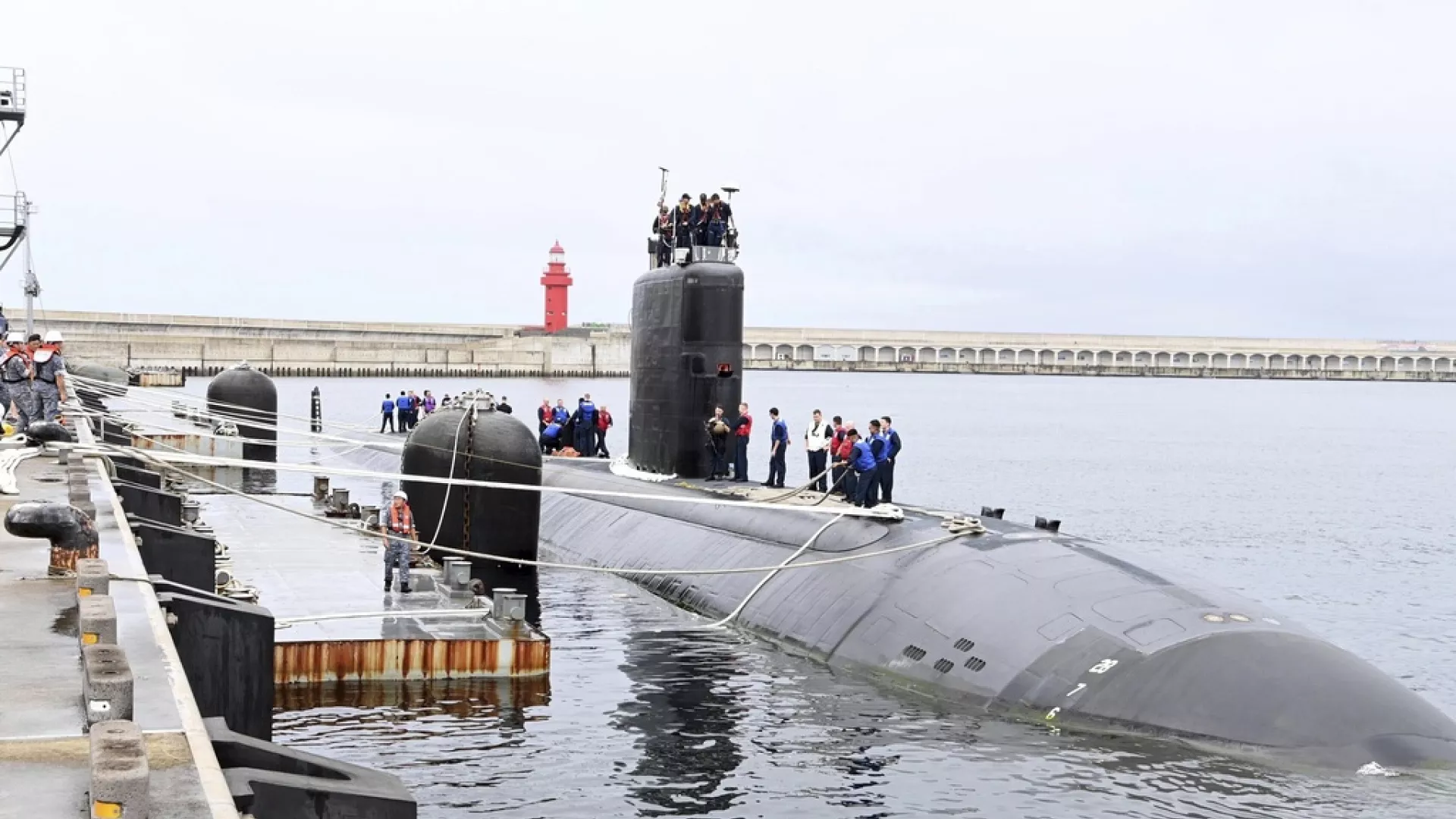
A warning launched from the darkness of the ocean can weigh more than a thousand speeches in the world’s parliaments.
Washington, August 2025
What began as a rhetorical confrontation between rival powers has morphed into a high-stakes nuclear maneuver. President Donald Trump has ordered the immediate deployment of two U.S. strategic submarines to undisclosed locations near Russia’s sphere of influence. The move was presented as a direct response to statements by former Russian president and current deputy chair of the Security Council, Dmitry Medvedev, who recently alluded to the potential activation of retaliatory nuclear mechanisms in response to what he called “Western provocations.”
Breaking with the long-standing U.S. doctrine of strategic ambiguity regarding nuclear fleet movements, the Biden administration has opted for deliberate visibility. This unprecedented gesture signals a stark message to Moscow and the broader international community: veiled nuclear threats will no longer be met with diplomatic euphemisms. “Words can become actions, and there are lines no responsible leader should cross,” Trump declared from the Roosevelt Room, elevating the standoff to a new threshold.
The immediate backdrop is grim. A recent Russian airstrike on Kyiv resulted in at least 31 civilian deaths, including several children, prompting global condemnation. In response, the White House issued a firm ultimatum: unless Russia agrees to a ceasefire before August 8, the U.S. will activate secondary sanctions on any country enabling Moscow’s energy trade. The message targets not only strategic allies, but also geopolitical swing states such as India, South Africa, and Turkey, whose ambiguous posture has inadvertently supported the Kremlin’s war economy.
Medvedev, far from retreating, responded with a virulent social media post referencing “Dead Hand,” the Cold War-era Soviet automated retaliation system designed to trigger a nuclear counterattack in the event of decapitated command. While the operational status of such a system remains officially unconfirmed, its invocation within the current diplomatic climate constitutes a calculated act of nuclear intimidation.
According to Pentagon sources, the deployed vessels belong to the Ohio-class—capable of carrying Trident II ballistic missiles equipped with multiple nuclear warheads. Although the exact payload remains undisclosed, the mere disclosure of their deployment marks a significant departure from standard deterrence practices. Analysts from the Center for Strategic and International Studies (CSIS) and the Stockholm International Peace Research Institute (SIPRI) have emphasized that such presidential-level announcements are geopolitically potent and designed to reframe the adversary’s calculus.
From Europe, German Chancellor Annalena Baerbock condemned Russia’s aggression and endorsed Washington’s pressure tactics, though she cautioned that a “narrative militarization” of the war risks exacerbating miscalculation. In Paris, senior officials within the French foreign ministry described Washington’s maneuver as “a necessary dose of atomic realism in the face of a regime that has already dismantled all conventional diplomatic codes.”
In Asia, the response has been strategically ambiguous. Beijing, through official foreign ministry channels, called for “maximum restraint” without directly condemning either side. However, editorials in the state-aligned Global Times echoed the Russian position, warning that “NATO is pushing humanity toward an artificial catastrophe.” Regional analysts consulted by Phoenix24 suggest that China is aiming to posture itself as a potential mediator while safeguarding its long-term strategic leverage.
Meanwhile, the defense sector is already reacting. Shares of major contractors such as Lockheed Martin and Raytheon Technologies surged following the announcement, as investment funds linked to dual-use technology portfolios recalibrated their positions. Pentagon insiders expect a wave of accelerated procurement in undersea surveillance, AI-powered unmanned submarines, and ultra-sonic communication systems.
The U.S. Congress has offered mixed reactions. Democratic lawmakers have raised concerns over the president’s unilateral move, noting the lack of formal consultation with the Armed Services Committee. Republican leaders, by contrast, have praised the decision as “a necessary assertion of American resolve in an age where Moscow confuses deterrence with extortion.”
Beyond the military dimension, this show of force reasserts the United States as an unpredictable yet dominant geopolitical actor. As one former national security advisor told Phoenix24 under condition of anonymity: “When Trump moves submarines, he’s not playing chess—he’s showing the pieces before flipping the board.”
In a shifting global system where treaties are being replaced by postures, and diplomacy is now measured in megatons and message virality, the repositioning of two submarines might signal far more than a change in coordinates. It is a submerged warning to the world: power is back—and it no longer knocks.
Elaborado por Phoenix24 con información internacional verificada y análisis independiente, este reportaje refleja nuestro compromiso con el periodismo de calidad y la responsabilidad geopolítica.
Produced by Phoenix24 with verified international information and independent analysis, this report reflects our commitment to quality journalism and geopolitical responsibility.