

 Phoenix 24
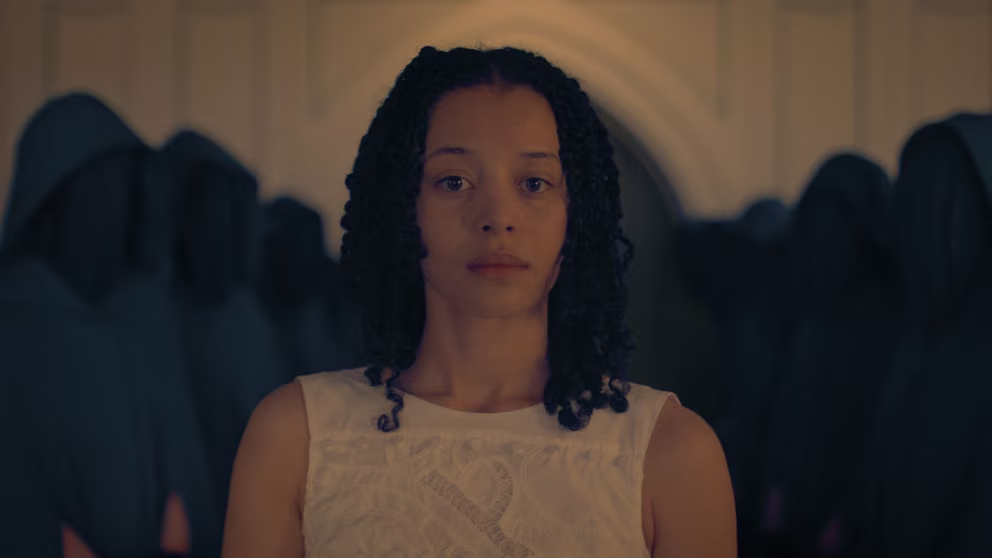
Some stories continue long after the world believes they have ended.
Toronto, December 2025
The first images from The Testaments introduce a renewed journey into the universe of Gilead, a world shaped by authoritarian discipline and psychological control. The new series, based on the acclaimed sequel by Margaret Atwood, unfolds years after the events portrayed in the original narrative and presents a society that has evolved yet remains trapped in its own rigid structures. Early footage reveals a shift in visual identity, with deep violet garments replacing the earlier palette associated with resistance and subjugation. This aesthetic transition signals a narrative intention to explore continuity rather than repetition, allowing the story to expand across generational fractures.
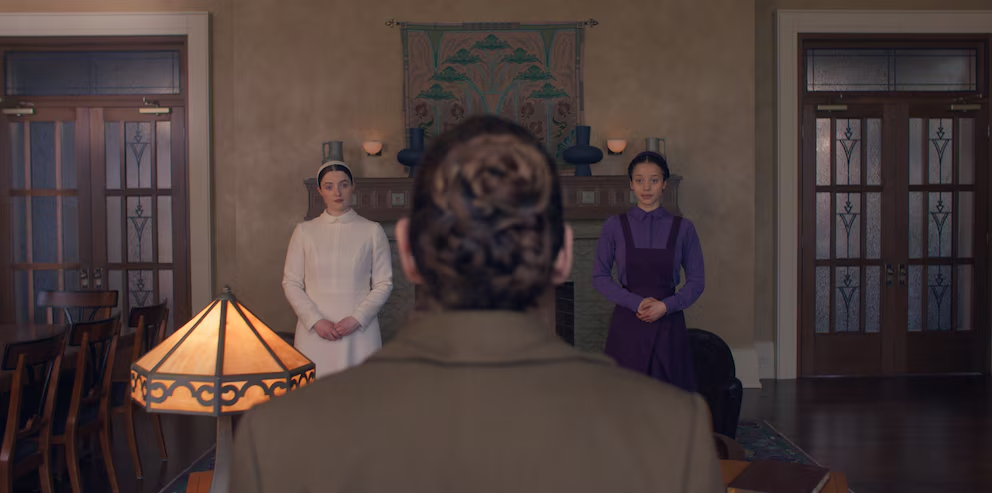
Analysts in North America note that the return of Aunt Lydia serves as an anchor for the new series. Her presence connects past traumas to emerging conflicts, suggesting that memory will play a decisive role in shaping the motivations of characters who never experienced the origins of Gilead. European critics highlight the prominence of two central figures known as Agnes and Daisy, whose contrasting positions within the regime offer a parallel study of indoctrination and awakening. Their dynamic suggests an exploration of how power is internalised by younger generations and how rebellion emerges not only from suffering but from the recognition of systemic contradictions.
Asian media observers emphasise that the series appears to adopt a more introspective tone. Scenes filmed in confined interiors reveal rituals of obedience, surveillance practices and educational structures designed to mould behaviour from childhood. These elements echo contemporary debates across several countries about institutional influence over identity formation, making the fictional narrative a mirror that reflects real tensions about authority, ideology and social engineering. The Testaments positions itself at this intersection, using character driven storytelling to illuminate the mechanisms that sustain long lasting regimes.
Production teams report that the filming process concluded earlier this year, with a release scheduled for spring 2026. International cultural institutes point out that the long anticipated sequel arrives at a moment when audiences are questioning the boundaries between personal autonomy and collective obligation. The narrative’s focus on young women raised entirely within the confines of Gilead introduces themes that were only peripheral in earlier adaptations. Scholars of literature and political psychology suggest that this perspective allows the series to examine how individuals navigate inherited systems and how resistance develops in environments where freedom has never been experienced as a lived reality.
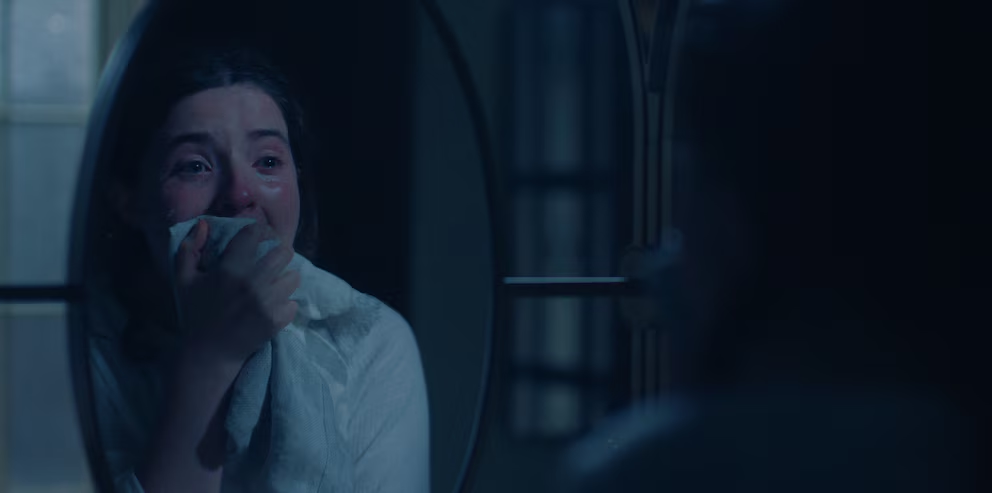
Latin American commentators observe that the emotional tone of the early footage reflects a society marked by contradictions. Visual cues suggest that loyalty and fear coexist, while acts of rebellion are portrayed not as sudden breakthroughs but as cumulative gestures shaped by uncertainty. This narrative approach raises questions about the durability of authoritarian systems and the fragile spaces where dissent begins to take form. It also reinforces the idea that trauma can persist across generations, even when the external features of a regime shift or evolve.
The global reaction to the preview signals that The Testaments may resonate beyond its role as a sequel. The story engages with universal themes that extend across contemporary political landscapes, including institutional obedience, the manipulation of truth and the construction of identity under pressure. Critics argue that the series will likely challenge audiences to reconsider how collective memory shapes the future and how systems maintain power through both overt control and subtle emotional conditioning.
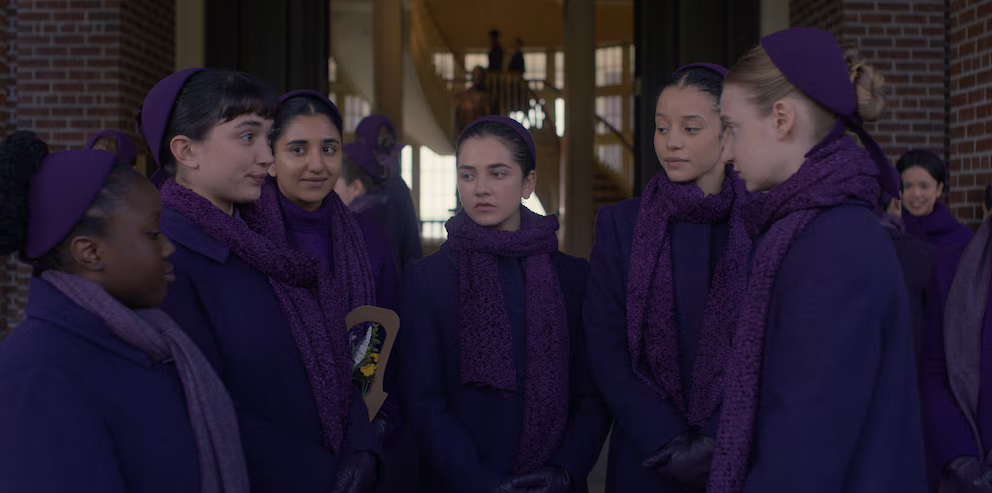
As anticipation grows, The Testaments positions itself not only as an extension of a celebrated narrative but as a cultural examination of how societies rebuild themselves or remain captive to the logic that once shaped their downfall. The world of Gilead returns with new voices, and their perspective promises to expose layers of power that remain invisible until a new generation begins to question them.
Phoenix24: the visible and the hidden, in context.
Phoenix24: lo visible y lo oculto, en contexto.