

 Mario López Ayala, PhD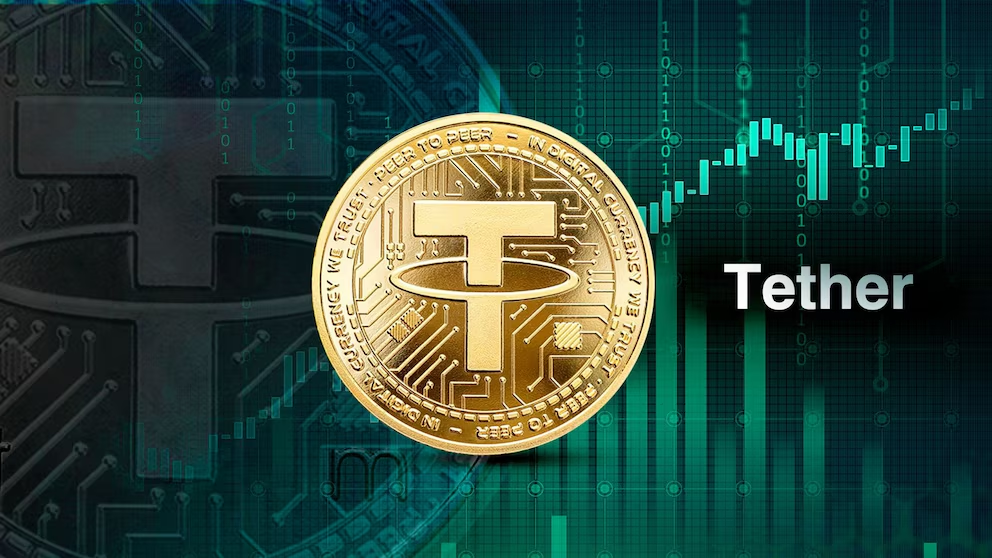
Once a niche solution for traders, stablecoins like Tether have become essential pillars of the global crypto economy, linking traditional finance and digital assets.
New York, October 2025
In a market defined by volatility, Tether stands apart. As the world’s largest stablecoin, it is designed to do the one thing most cryptocurrencies cannot: remain stable. Pegged to the U.S. dollar, Tether (USDT) has become a vital tool for investors seeking to move quickly between crypto and fiat without being exposed to wild price swings. Yet even a currency engineered for stability can experience fluctuations, and understanding these movements is key to grasping the evolving nature of the digital asset ecosystem.
On October 5, Tether is trading very close to its intended one-dollar peg, hovering around 1.00 USD. This minor variation is typical for a stablecoin that operates in a complex global market where supply and demand constantly shift. Small deviations of a fraction of a cent are not unusual and often reflect momentary imbalances between liquidity, redemption activity, and trading volume on major exchanges. For most traders, such movements are negligible. For analysts, however, they offer valuable insights into the deeper mechanics of the crypto economy.
Stablecoins like Tether function as the connective tissue between traditional financial systems and decentralized blockchain markets. They enable rapid settlement across borders, facilitate trading pairs on crypto exchanges, and serve as collateral in decentralized finance protocols. Their role has expanded far beyond simple trading tools. Today, they underpin lending platforms, remittance systems, and even payment infrastructures used by businesses and governments.
The concept behind Tether is simple: for every token issued, there should be an equivalent value of U.S. dollar reserves held by the company. These reserves include cash, treasury bills, and other short-term assets. This one-to-one backing is what allows the token to maintain its value. Yet, the simplicity of the concept belies the complexity of the execution. Questions about transparency, auditing, and regulatory oversight have followed Tether for years. Regulators in multiple jurisdictions have scrutinized the company’s reserve practices, and Tether has faced fines and settlements related to past disclosures.
Despite these controversies, Tether remains the dominant stablecoin by market capitalization, with a circulation exceeding 100 billion dollars. Its ubiquity is not accidental. Tether was one of the first stablecoins to achieve significant adoption, and its liquidity depth is unmatched. On most major exchanges, USDT trading pairs account for a majority of total volume. This dominance reinforces a network effect: the more Tether is used, the more indispensable it becomes.
Fluctuations in Tether’s price often reflect broader trends in the crypto market. When demand for cryptocurrencies surges, traders flock to stablecoins to move funds quickly and safely, sometimes pushing the price slightly above one dollar. Conversely, during sell-offs or periods of low liquidity, Tether can dip marginally below its peg as redemptions outpace issuance. In either case, market forces usually restore equilibrium rapidly, as arbitrage traders exploit these small discrepancies.
The stability of Tether is also closely tied to monetary policy and macroeconomic trends. As central banks around the world adjust interest rates and liquidity conditions, the demand for dollar-denominated assets fluctuates. Tether, as a proxy for the U.S. dollar in the crypto ecosystem, is not immune to these dynamics. Its issuance often expands during periods of market optimism and contracts during downturns, mirroring broader liquidity cycles.
Regulation remains a key factor shaping Tether’s future. Governments and financial authorities are moving quickly to create clearer frameworks for stablecoins, recognizing both their potential and their risks. In the United States, proposed legislation aims to subject stablecoin issuers to banking-style oversight, including strict reserve requirements and regular audits. The European Union’s MiCA regulation will require detailed disclosures and tighter supervision. Tether’s ability to adapt to these evolving rules will determine its long-term position in the market.
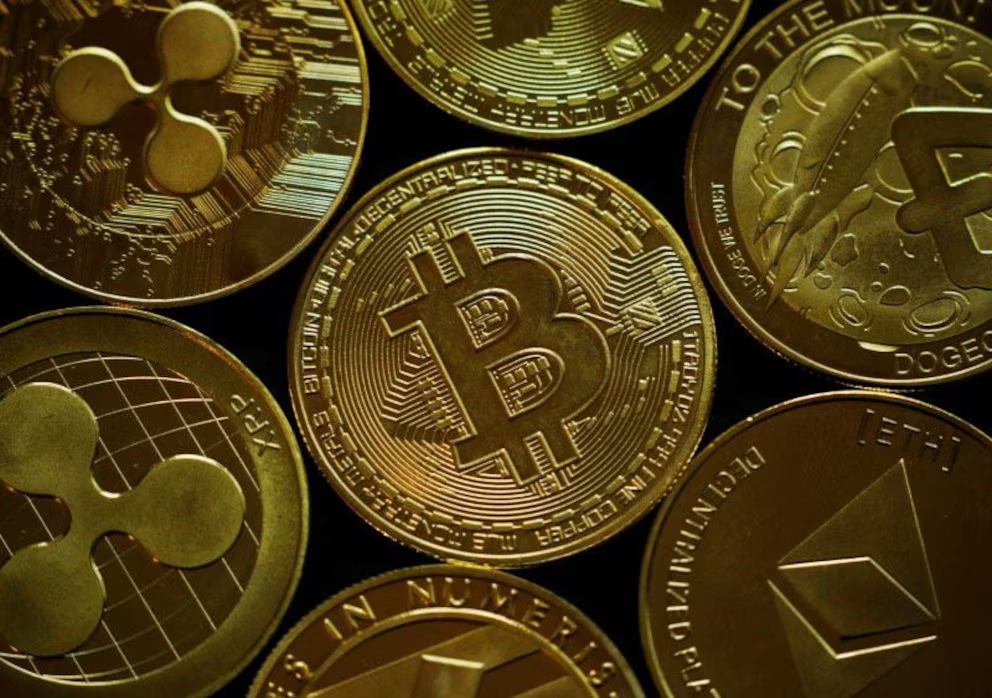
Competition is also intensifying. Alternatives such as USD Coin (USDC) and PayPal USD are gaining traction, offering higher levels of transparency and stronger relationships with regulated financial institutions. Some emerging stablecoins are experimenting with algorithmic mechanisms or decentralized collateral pools, though these models come with their own risks and limitations. Tether’s challenge will be to maintain its market leadership while addressing concerns about governance and compliance.
For investors and institutions, Tether remains both a utility and a risk. Its utility lies in its speed, liquidity, and integration across virtually every corner of the crypto ecosystem. Its risk lies in its reliance on trust. If confidence in its reserves or redemption process were ever to falter significantly, the impact could ripple far beyond the stablecoin itself, potentially triggering liquidity crises in trading, lending, and decentralized finance platforms.
Yet, for now, Tether’s dominance appears secure. Its slight fluctuations around the one-dollar mark are reminders that even stability is dynamic in the world of crypto. They reflect the constant push and pull of market forces, regulatory pressures, and user demand. And they demonstrate how a token designed for predictability can still play a central role in one of the most unpredictable markets in the world.
In a financial landscape increasingly defined by digital assets, Tether’s story is about more than price stability. It is about the evolving relationship between money, technology, and trust — and how those forces will shape the future of finance.
Every silence speaks. / Cada silencio habla.