

 Phoenix 24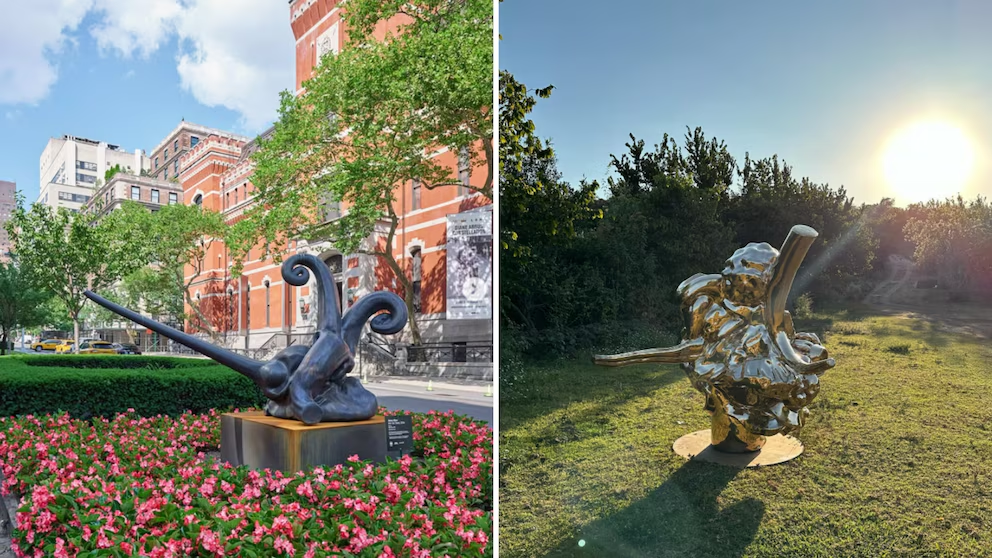
Sometimes the loudest statement is made by someone who refuses to speak.
Venice, November 2025.
Inside the maze of the curatorial committees that prepare the next Venice Biennale, the decision began as a rumor that no one quería confirmar. A sculptor living far from New York and Los Angeles, working in the mountains of central Mexico and known for speaking through materials rather than interviews, had been selected to represent the United States. His name is Alma Allen. Until a few years ago he was considered a cult secret among collectors. Now he becomes the face of a country that rarely apuesta por la quietud when it has the chance to make noise.
What makes this choice disruptive is not his nationality. It is his refusal to perform what is expected from an artist chosen to stand in front of the world. Allen does not produce political slogans. His sculptures do not illustrate concepts. They exist. They are stone, bronze, wood and sometimes a form that no one can categorize. The United States could have chosen a name with media influence or a conceptual activist aligned to a visible narrative. Instead, it chose someone whose power comes from restraint.
Allen works in Tepoztlan, Mexico, in a studio surrounded by mountains and humidity, where nothing seems automated. There he carves stone by hand, melts bronze and designs his own tools. His machines are not purchased. They are built. It is not an eccentric detail. It is part of his method. He removes layers of mediation between the idea and the object. When a sculpture is born, it is not the result of outsourcing but of total authorship. This approach contradicts a system that celebrates speed and spectacle. Allen works slowly, deliberately, physically. The world moves faster. He does not.
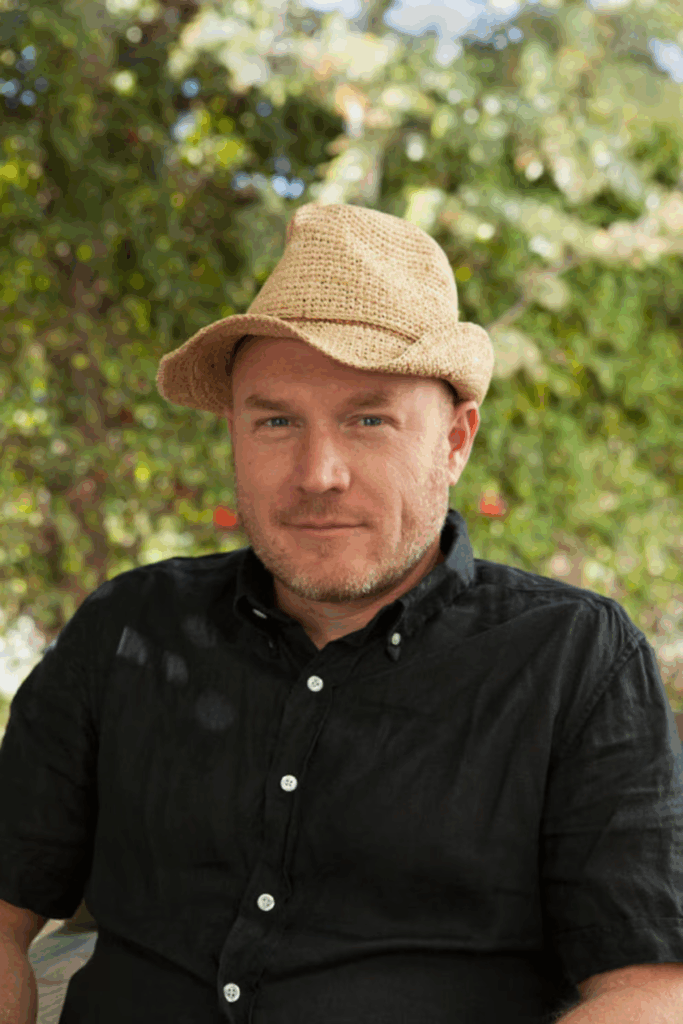
The United States selection committee understands the symbolic weight of this decision. The country is sending an artist who lives outside its borders, produces work outside its cultural mainstream and does not base his practice on ideological statements. Instead of exporting a narrative of supremacy or innovation, the United States is exporting introspection. The gesture is almost paradoxical. At a moment when cultural institutions are pressured to justify their decisions with explicit messages, Allen embodies the opposite. He communicates without arguing. He represents without explaining.
Observers in Europe interpret the choice as a sign of maturity. The Biennale is often a stage where governments try to prove relevance. This time the United States avoids the temptation to overstate its identity. The selection suggests that influence does not require spectacle, and that a country can assert depth without shouting. Analysts in Latin America read something different. Allen is a citizen of the United States who lives and works in Mexico. Sending him to Venice blurs the old idea of cultural ownership. Who represents whom when the artist has already crossed borders and the work belongs to the place where it was created
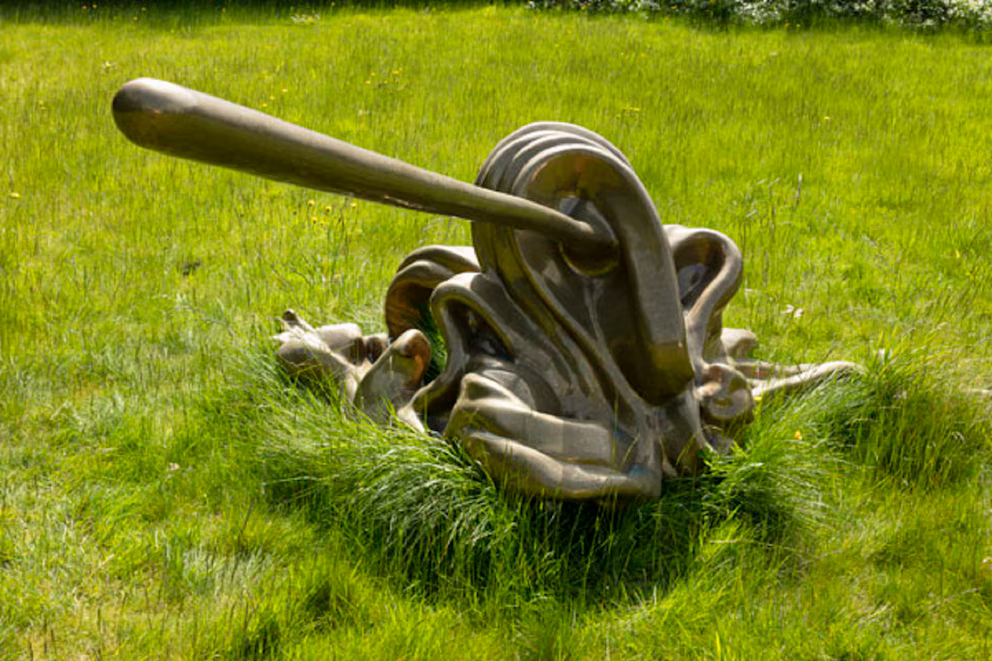
In Asia, commentators see the decision as strategic minimalism. Biennales are saturated with political manifestos and multimedia installations demanding attention. A room with a single object that does not beg to be understood can have more impact than a thousand words. The absence of explanation becomes the message. The viewer must look longer, think longer and participate. Instead of consuming an argument, the audience must confront matter.
Allen has said that sculpture communicates through presence, not interpretation. The surface holds memory and the weight holds intention. When a piece stands still, it is not static. It is accumulating time. This attitude might explain why the United States wants him in Venice. At a geopolitical level, the world expects the country to present leadership as a performance. Allen rejects the performance. He shows a different kind of authority. Not the authority of dominance, but of certainty.
His sculptures look as if they were discovered, not fabricated. Curators describe them as prehistoric forms that could have arrived from the future by mistake. The contradiction is intentional. Allen is not trying to imitate nature. He is trying to collaborate with it. Material tells him what to remove. His hands decide what remains. The result obliges the viewer to slow down. Where most contemporary art accelerates attention, his work suspends it.
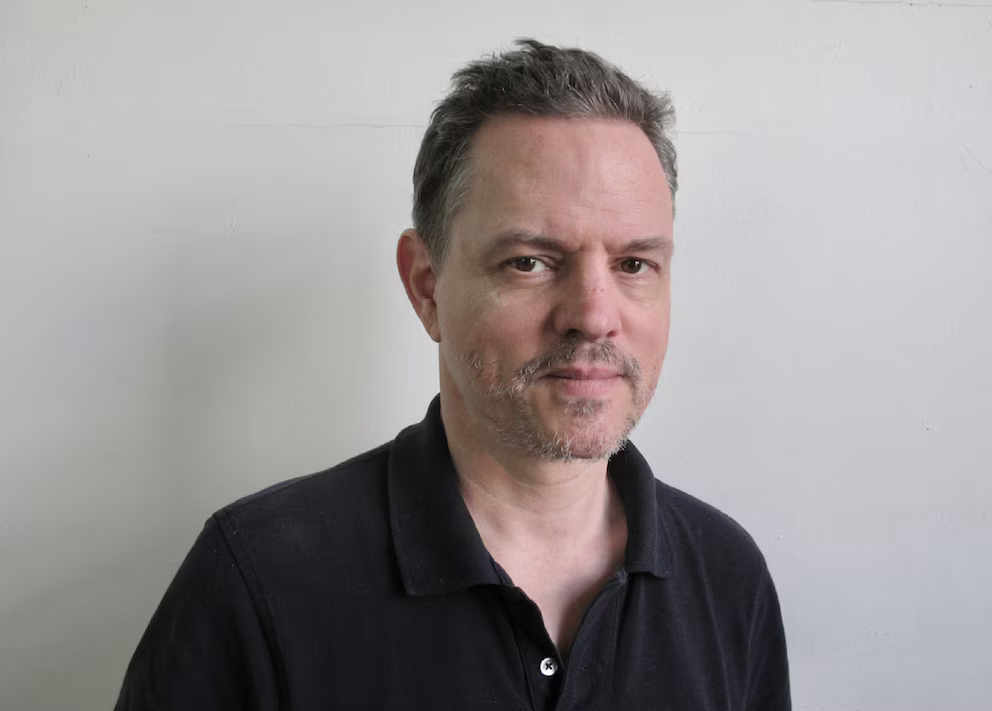
There is also a psychological effect. When a pavilion refuses to tell the audience what to think, the power dynamic changes. The viewer cannot consume the work instantly. The work consumes the viewer. The sculptures force a type of perception that modern culture tries to eliminate: contemplation without reward. In an environment where every object demands interpretation, Allen presents objects that resist it.
For the United States, this is more than an artistic selection. It is a narrative move. The Biennale is not only about art. It is global communication. Countries compete to shape the conversation. Instead of a slogan, the United States will present a stone or a bronze form that refuses to speak the language of urgency. It proposes something else. A future where culture is not measured by noise, but by resonance.
When Allen arrives in Venice, he will stand alone in a room that demands nothing except presence. No manifesto on the walls. No ideological declaration. No instructions. Just matter and perception. A sculptor representing a nation by refusing to represent anything other than the truth of what he makes.
Phoenix24: intelligence for free audiences.
Phoenix24: intelligence for free audiences.