

 Phoenix 24
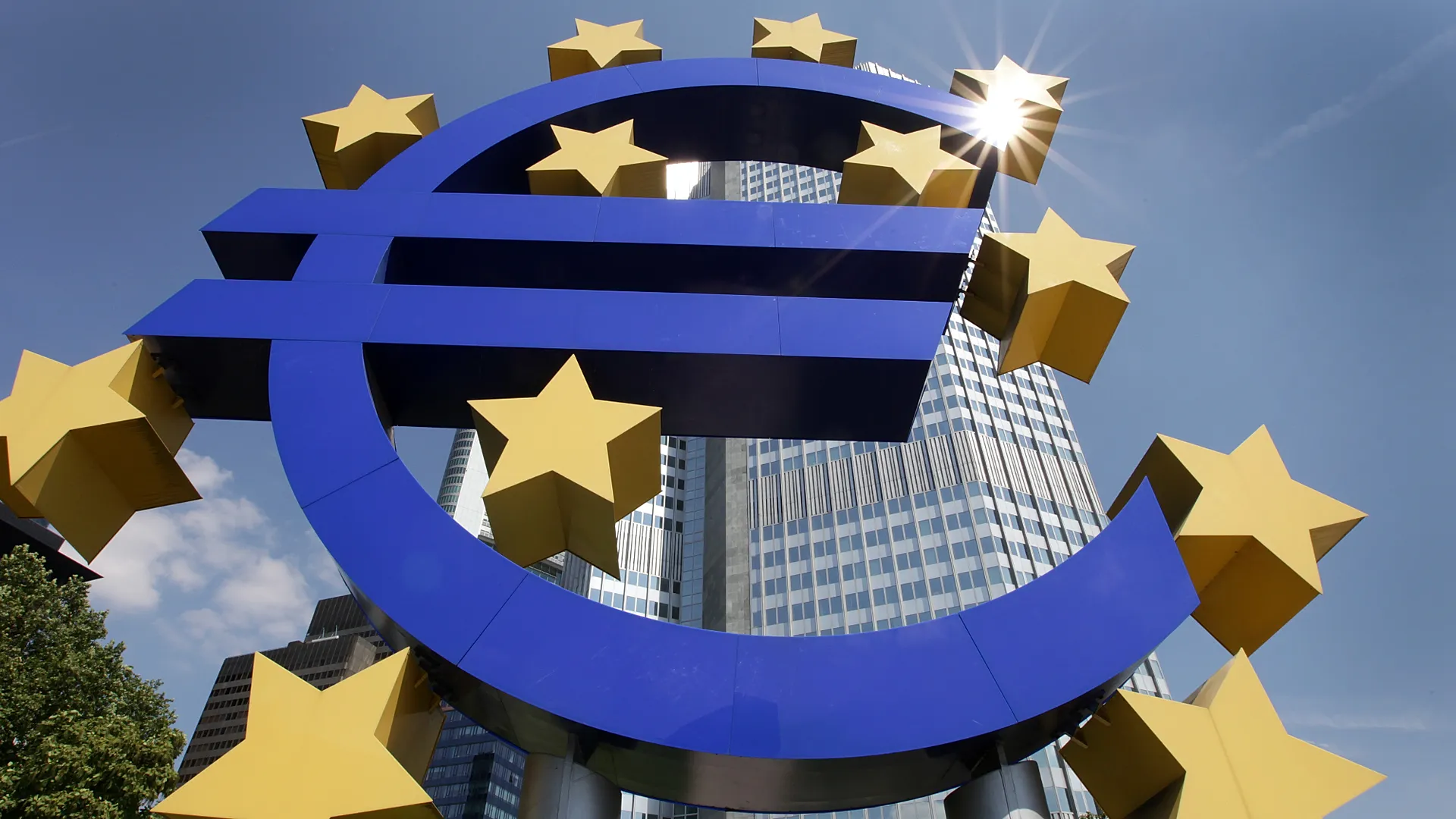
Trade resilience can mask deeper erosion.
Brussels, February 2026.
The euro area ended 2025 with a goods trade surplus of 12.6 billion euros in December, an outcome described as unexpected in several market readouts because it arrived amid a year of tariff friction, weak industrial momentum, and a global demand environment that has been anything but generous. Eurostat’s figures show the balance improved versus November, yet it was smaller than the surplus recorded in December a year earlier. The number matters less as a victory lap than as a diagnostic: Europe is still exporting enough to stay net positive, but the composition of that surplus is shifting in ways that carry strategic risk.
Start with the mechanics. The December surplus was supported by an improved energy balance, with the euro area’s energy deficit narrowing to about 19.1 billion euros from roughly 24.5 billion a year earlier, a move consistent with energy prices being less punishing than in prior cycles. That relief is real, but it is also the kind of relief that can disappear quickly if geopolitical shocks hit supply or if winter demand spikes collide with logistical bottlenecks. The same dataset shows that the overall surplus in December 2025 was about 1.3 billion euros smaller than in December 2024, which is a quiet reminder that the headline remains positive while the margin is thinning.
The second driver is where the “unexpected” label begins to look conditional. Europe’s traditional surplus engines are not expanding in the way a confident exporter would want. Eurostat’s product breakdown points to a smaller surplus in chemicals and related products, falling from about 20.2 billion euros in December 2024 to roughly 16.5 billion euros in December 2025. When chemicals weaken, it often signals something broader than one sector, because it can reflect softer global industrial demand, higher input costs, or competitive pressure that is no longer cyclical but structural. In parallel, softer performance in machinery and vehicles is being watched closely because it hits the core of Europe’s manufacturing identity and its wage base.
Zooming out, the annual picture is steady, not triumphant. For 2025 as a whole, the euro area recorded a trade surplus of about 164.6 billion euros, down from roughly 168.9 billion euros in 2024. Exports rose around 2.4% over the year, while imports rose faster at about 2.7%, which is why the surplus narrowed even as trade flows grew. That pattern is often overlooked, yet it is the pattern that determines whether a surplus represents strengthening competitiveness or merely a temporary pricing advantage. A surplus that shrinks because imports accelerate can indicate domestic demand is holding up, but it can also mean Europe is paying more for strategic inputs while struggling to grow high value exports at the same pace.
This is where the euro area story merges with the wider European story. The European Union’s December goods trade surplus was reported around 12.9 billion euros, and several business desks highlighted how Europe’s external position is being squeezed from two directions: tariff pressure on one side and high capacity Chinese exports on the other. Reuters reporting has emphasized that exports to the United States, the bloc’s largest export market, have faced notable headwinds in this environment, while the trade deficit with China has widened as Chinese shipments increasingly include higher tech categories rather than only low value goods. The strategic point is not that Europe is collapsing, it is that Europe is being forced to defend market share in precisely the sectors it used to treat as secure.
The China channel is especially revealing because it has become less about volume and more about capability. Eurostat figures cited in European coverage place the EU’s 2025 goods deficit with China at roughly 359.3 billion euros, up markedly year on year, a sign that competitive pressure is intensifying rather than cooling. If that deficit were driven mainly by commodity cycles, it would be easier to manage. When it is driven by advanced manufactured goods and technology rich imports, the policy response becomes more delicate because it touches industrial strategy, investment screening, export controls, and the politics of retaliation. For a union built on open trade, protecting strategic sectors without undermining its own credibility is the kind of balancing act that produces slow decision making and internal disagreement.
None of this should be read as a purely European drama, because the institutions that shape the global frame are sending compatible warnings. The International Monetary Fund has repeatedly stressed that trade fragmentation and tariff escalation can depress investment and productivity by increasing uncertainty and reducing the incentive to build cross border supply chains. The Bank for International Settlements has also highlighted that shifts in trade patterns interact with financial conditions, especially for export driven economies that rely on stable external demand to fund industrial upgrading. In that context, a December surplus is not a conclusion, it is a data point inside a broader contest over who sets standards, who controls critical inputs, and who absorbs the costs of disruption.
The most important interpretation is therefore structural: the euro area surplus still exists, but the foundation under it is changing. A positive balance supported by an improved energy deficit can coexist with weakening surpluses in high value industrial categories, and that combination is not reassuring. It suggests Europe is benefiting from a calmer energy bill while simultaneously confronting a harder competitive landscape in the products that pay for its social model. If the chemical and machinery margin keeps narrowing, Europe will be forced to respond not only with trade diplomacy, but with capital formation, innovation financing, and industrial execution at a speed that its current governance model often struggles to deliver.
Europe’s trade surplus at the end of 2025 is real, and it deserves to be taken seriously. The more serious question is what the surplus is made of, and whether it represents durable advantage or a temporary gap between pressures that are still building. A smaller cushion can still be a cushion, yet cushions are most dangerous when they encourage complacency. The December figure is not a trophy, it is a signal that resilience remains possible, but only if competitiveness is rebuilt faster than the global environment deteriorates.
Resistencia narrativa global. / Global narrative resilience.