

 Phoenix 24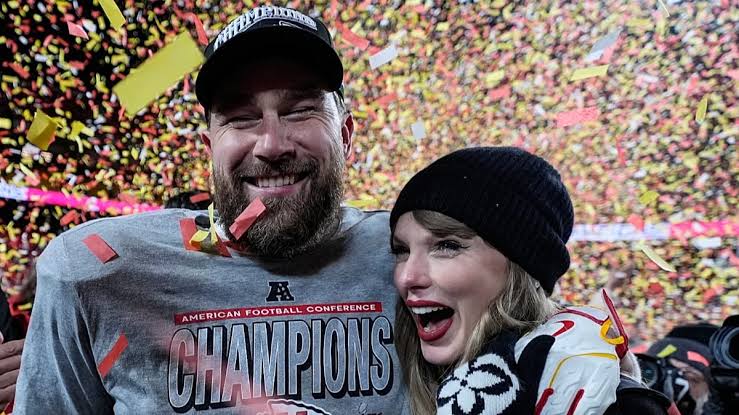
Phones banned as secrecy fuels global fascination.
NEW YORK, UNITED STATES — July 2026.
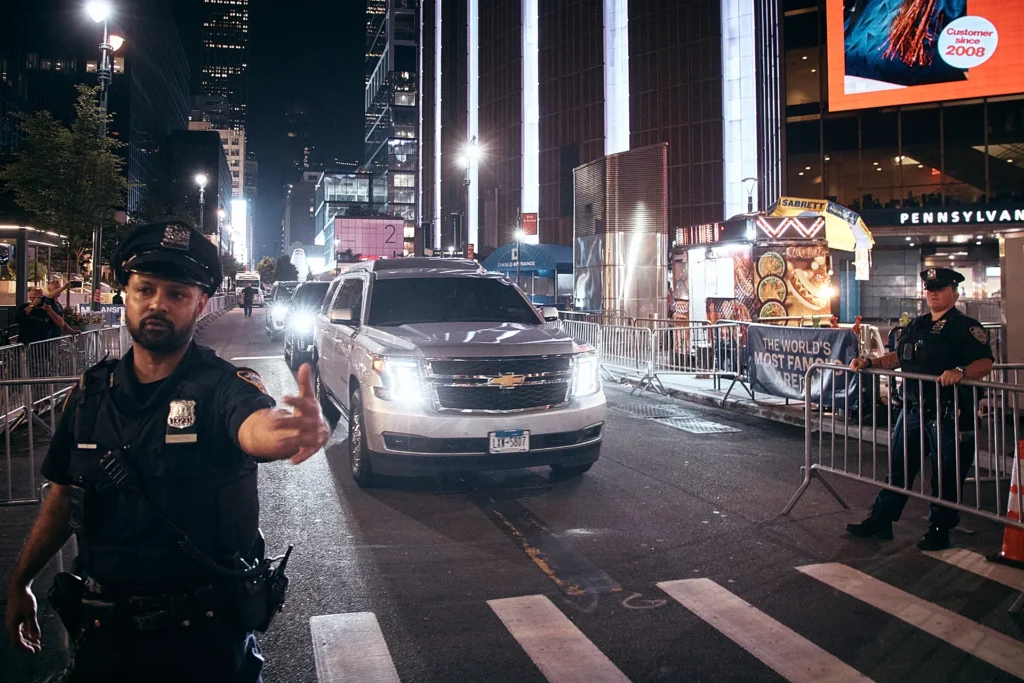
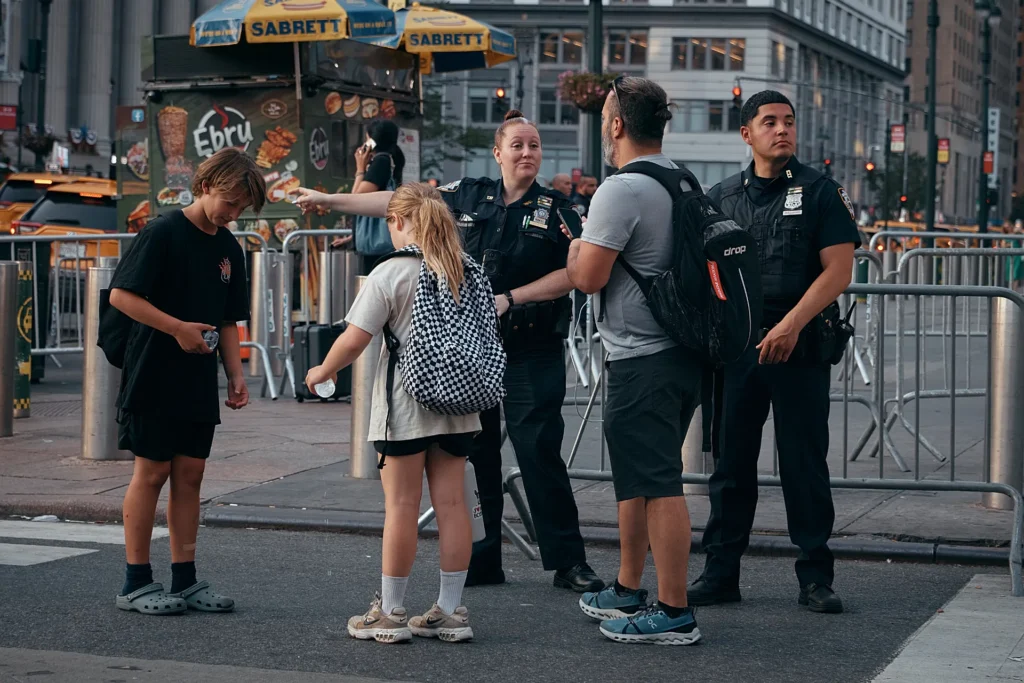
Taylor Swift and Travis Kelce have ignited extraordinary media attention in New York as reported wedding celebrations centered on Madison Square Garden drew fans, photographers and security personnel to Midtown Manhattan. The event remained surrounded by uncertainty because the couple had not publicly confirmed every detail of the ceremony when preparations intensified. Crowds gathered outside the arena hoping to glimpse arriving guests, vehicles or decorations despite extensive measures designed to prevent information from escaping. The result transformed a private celebration into one of the most closely watched entertainment events of the year.
Madison Square Garden offered an unusually controlled environment for an occasion involving two of the world’s most recognizable public figures. The largely windowless venue, guarded entrances and secure vehicle access made it possible to move guests and supplies without exposing the interior arrangements to surrounding cameras. Reports indicated that mobile phones were prohibited and that some attendees may have signed confidentiality agreements before entering restricted areas. These precautions reflected both legitimate security concerns and the couple’s effort to prevent unauthorized photographs, recordings or real-time descriptions from dominating the event.
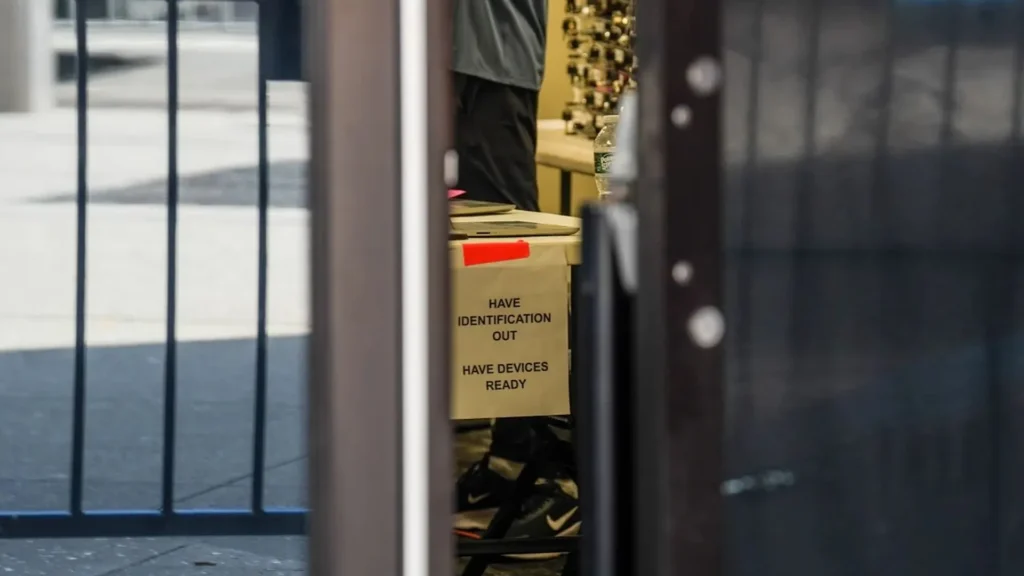
The celebration reportedly began with a rehearsal dinner or preliminary gathering on July 2, followed by a larger private event scheduled for the following afternoon. The principal gathering was expected to begin at five in the evening and continue until approximately four the next morning. Guests reportedly received very little information about the theme, schedule or dress code before arriving in New York. Some were instructed simply to remain available on the morning of July 3 and wait for further directions from organizers.
Speculation surrounding the guest list became a major part of the public fascination because Swift and Kelce maintain relationships across music, film, television, fashion and professional sports. Selena Gomez, the Haim sisters and Gigi Hadid were discussed as possible members of the wedding party, although their roles were not officially confirmed. Ed Sheeran, Jack Antonoff, Phoebe Waller-Bridge, Graham Norton, Bradley Cooper and members of the Kansas City Chiefs were among the prominent names linked to the event. Reports suggested that as many as 1,100 people could attend, making the celebration comparable in scale to a major awards ceremony.
The secrecy also demonstrates how celebrity weddings have evolved into information-security operations shaped by smartphones, social platforms and commercial interest in exclusive images. A single photograph, leaked document or guest video can immediately circulate worldwide and eliminate the couple’s control over how the occasion is presented. Banning phones reduces that risk, but it also heightens curiosity by creating an information vacuum that fans and media outlets attempt to fill with speculation. The stricter the privacy measures become, the more the hidden details acquire cultural and financial value.
Swift and Kelce added a philanthropic dimension to the celebrations by donating a reported 26 million dollars to 20 charitable organizations across the United States. The beneficiaries included food banks, educational programs, children’s hospitals and an animal-protection organization. Recipient institutions ranged from City Harvest and Feeding America to music-education initiatives and pediatric medical programs in New York and Kansas City. The donations redirected part of the attention from celebrity spectacle toward food insecurity, childhood health, education and community support.
City Harvest received one million dollars and described the contribution as both a declaration of affection for New York and a major commitment to preventing hunger. The organization said demand at food pantries and community food programs remained near historic levels as federal funding reductions increased pressure on local services. Other donations supported institutions connected to cities that have played important roles in Swift’s and Kelce’s personal and professional lives. This geographic distribution allowed the couple to connect the celebration with communities extending beyond the immediate venue.
The public response illustrates the scale of the cultural worlds represented by the couple’s relationship. Swift commands an international fan base capable of turning personal milestones into global media events, while Kelce brings visibility from the National Football League and the Kansas City Chiefs. Their partnership has connected stadium music, professional sports, fashion, advertising and celebrity journalism in ways few contemporary couples can match. Every appearance, rumor and symbolic gesture consequently becomes material for online interpretation, commercial coverage and intense emotional investment from audiences.
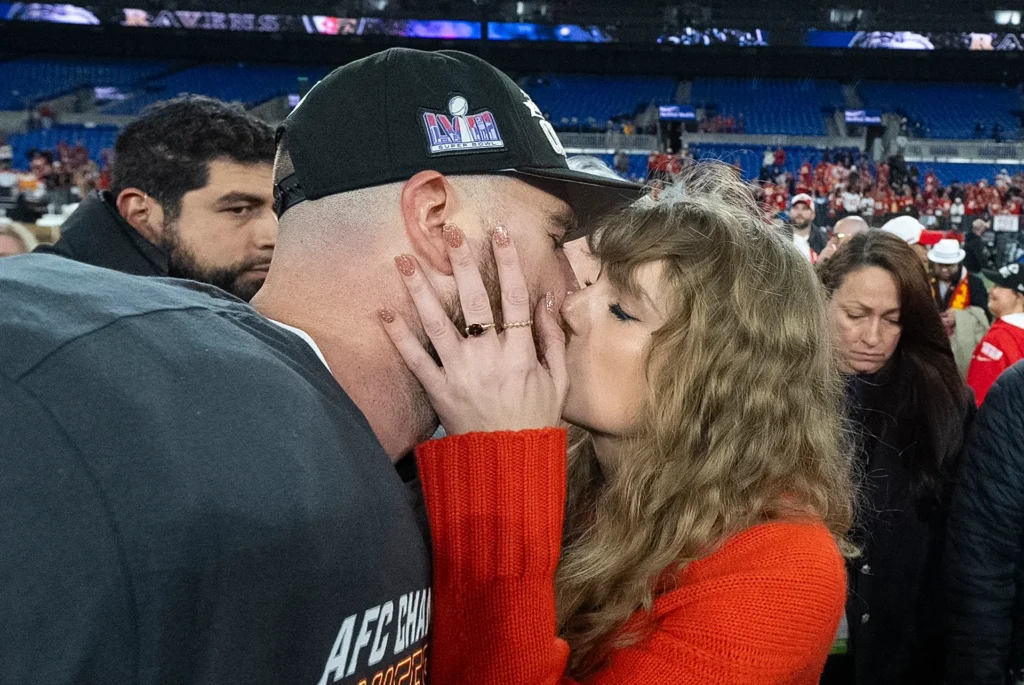
The reported wedding also raises a broader question about whether famous people can still preserve meaningful private moments in an era of permanent documentation. Swift and Kelce appear to have responded by choosing a venue built for control, restricting personal devices and limiting information even among invited guests. Those methods may protect the ceremony itself, but they cannot prevent the surrounding city from becoming a stage for expectation, surveillance and speculation. Whatever details eventually emerge, the event has already demonstrated that modern celebrity privacy depends on planning as elaborate as the celebration it is intended to protect.
Phoenix24 — Global news with clarity and perspective.