

 Phoenix 24
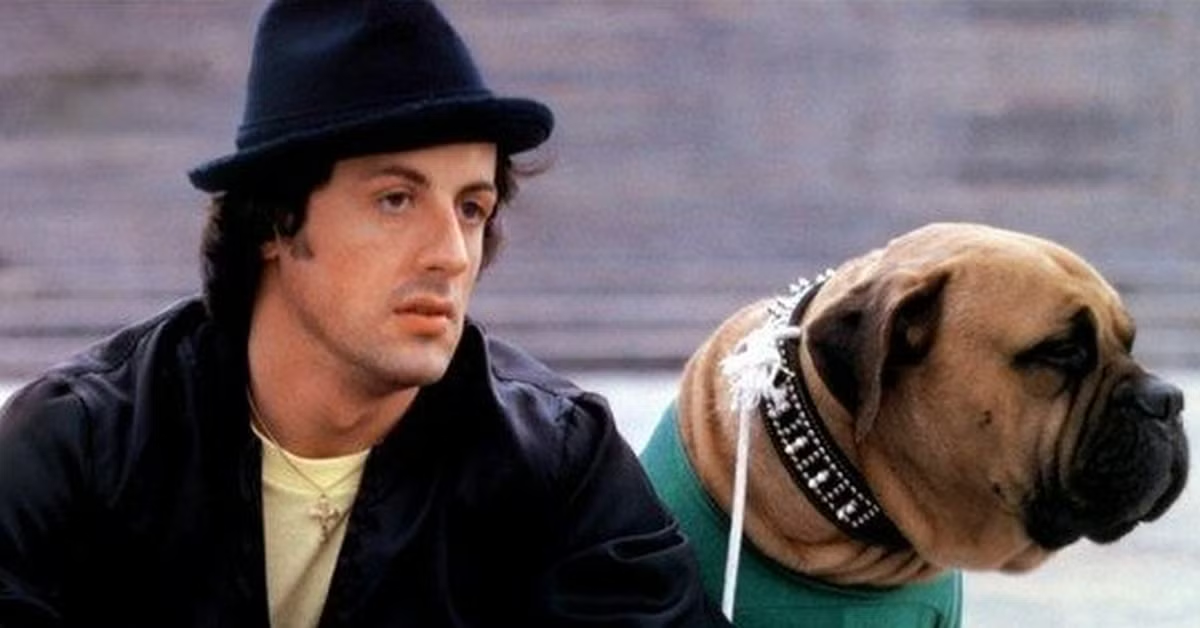
Fame arrived after a very personal loss.
Los Angeles, February 2026
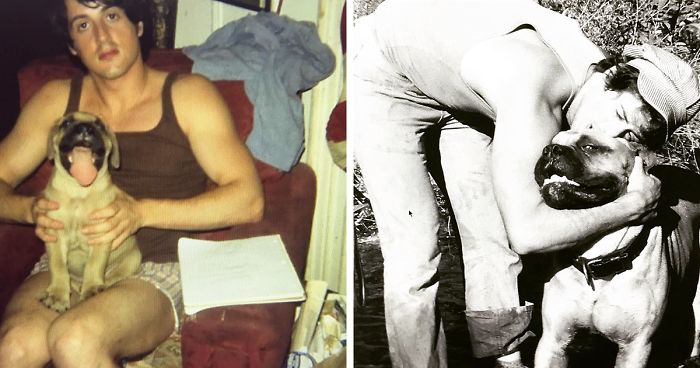
The most emotional reunion linked to Sylvester Stallone after the success of Rocky was not with an executive, a co-star, or an awards audience. It was with Butkus, his bullmastiff, the dog he had been forced to sell during one of the hardest periods of his life before the film changed everything. That detail matters because it reorders the mythology around Rocky. The usual version celebrates grit, genius, and a career breakthrough. The deeper version includes poverty severe enough to break a bond that later became part of the film’s emotional DNA.
What makes this story durable is not only the anecdote itself, but the timing and symbolism of the reunion. Stallone has repeatedly been remembered as the writer and star who refused to give up the lead role in Rocky despite industry pressure. Yet before that moment of control and recognition, he was living through extreme financial strain. In that context, selling his dog was not a sentimental choice. It was a survival decision. When he later paid a much higher amount to get Butkus back after selling the Rocky script, the act became more than a celebrity gesture. It became a private restoration staged inside a public success story.
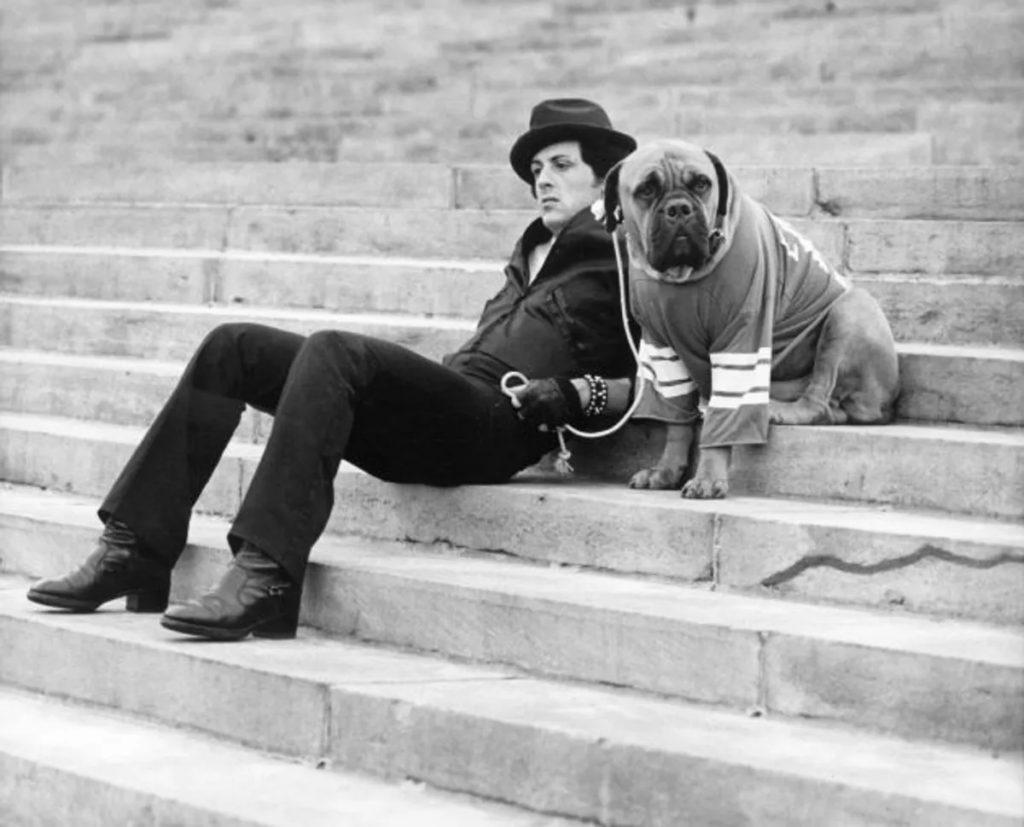
The emotional force of the episode is amplified by the role Butkus eventually played in Rocky itself. The dog did not remain a separate chapter from Stallone’s rise. He entered the film as Rocky Balboa’s pet, which means a hardship from Stallone’s real life was folded directly into one of the most iconic sports dramas in cinema history. That overlap between life and screen helps explain why the story keeps resurfacing. It is not just nostalgic trivia. It is a rare example of material struggle becoming part of a film’s living texture, then returning years later as proof that the mythology was built on real sacrifice.
In entertainment culture, stories like this often get flattened into motivational content. A star suffers, a star wins, the past becomes inspiration. But the Butkus episode resists that simplification if read carefully. It shows the transactional cruelty of early creative survival, especially for actors and writers with no institutional backing. Before Rocky became a franchise, a brand, and a global symbol of perseverance, its creator was making choices under pressure that many people never see when they consume a finished classic. The reunion with Butkus is powerful precisely because it exposes what success narratives usually hide, the humiliating economics that precede artistic breakthroughs.
There is also a Hollywood dimension to why this story continues to resonate. Stallone’s public image has long been associated with toughness, endurance, and masculine resilience. The Butkus reunion complicates that image in a way that deepens it rather than weakens it. It shifts the focus from physical survival to emotional loyalty. In a media ecosystem that often rewards hard exterior personas, this kind of memory reintroduces vulnerability as part of the Stallone myth. It reminds audiences that Rocky worked not only because it was about boxing, but because it understood attachment, dignity, and loneliness.
The timing of renewed attention to this story also reflects a broader pattern in entertainment media. As legacy stars move into later career stages, coverage increasingly revisits formative episodes that humanize the legend instead of only celebrating box office milestones. In Stallone’s case, the public is not simply interested in how Rocky was made. It is interested in what the film cost him before anyone believed in it. The Butkus reunion answers that question in a way no production budget or awards statistic can. It translates ambition into something intimate and visible.
Another reason the story lands so strongly is that it creates a bridge between two audiences at once. For older viewers, it reinforces the original Rocky narrative of sacrifice and delayed reward. For younger audiences raised on fragmented celebrity storytelling, it offers a concrete emotional image that cuts through abstraction. A struggling artist sells his dog. Success arrives. He comes back for the dog. The sequence is simple, but its cultural power lies in the fact that it feels morally legible in an industry often perceived as artificial. It gives the myth a human anchor.
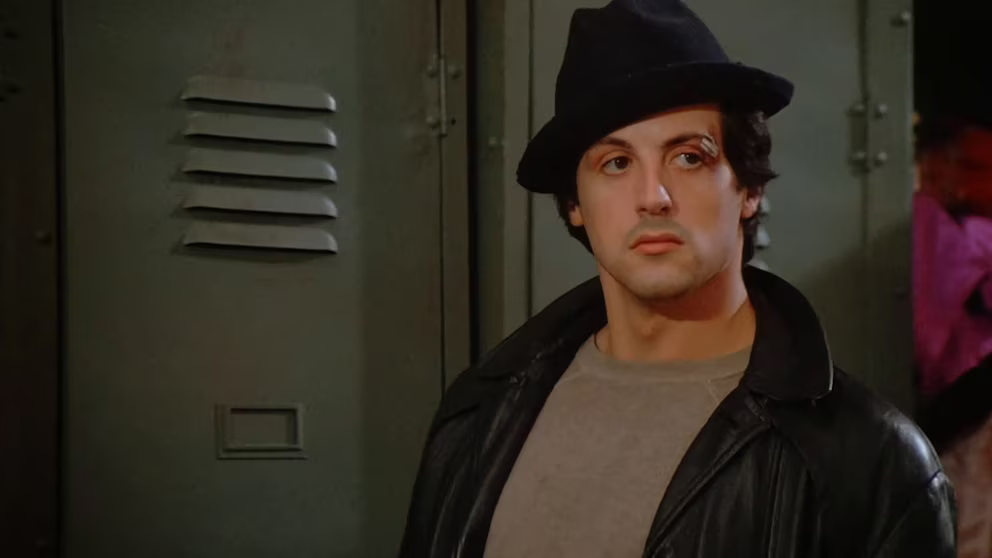
From a Phoenix24 perspective, the important pattern is not celebrity sentiment alone. It is how symbolic objects and relationships shape the endurance of public narratives. Butkus became more than a pet because he sits at the intersection of poverty, authorship, cinematic identity, and retrospective memory. The reunion is repeatedly framed as emotional because it compresses all those layers into one act of return. It is a story about loyalty, yes, but also about narrative legitimacy. Audiences trust Rocky’s ethos of perseverance in part because Stallone’s off-screen biography contains episodes that feel consistent with it.
That is why this reunion remains one of the most affecting chapters in Stallone’s rise after Rocky. It does not celebrate success in the abstract. It shows what success was used to repair. In a culture that often treats fame as proof of destiny, the Butkus story restores contingency, loss, and recovery to the center of the legend. It reminds us that some victories matter less because they make someone famous, and more because they allow that person to reclaim what desperation once took away.
Phoenix24: journalism without borders. / Phoenix24: periodismo sin fronteras.