

 Phoenix 24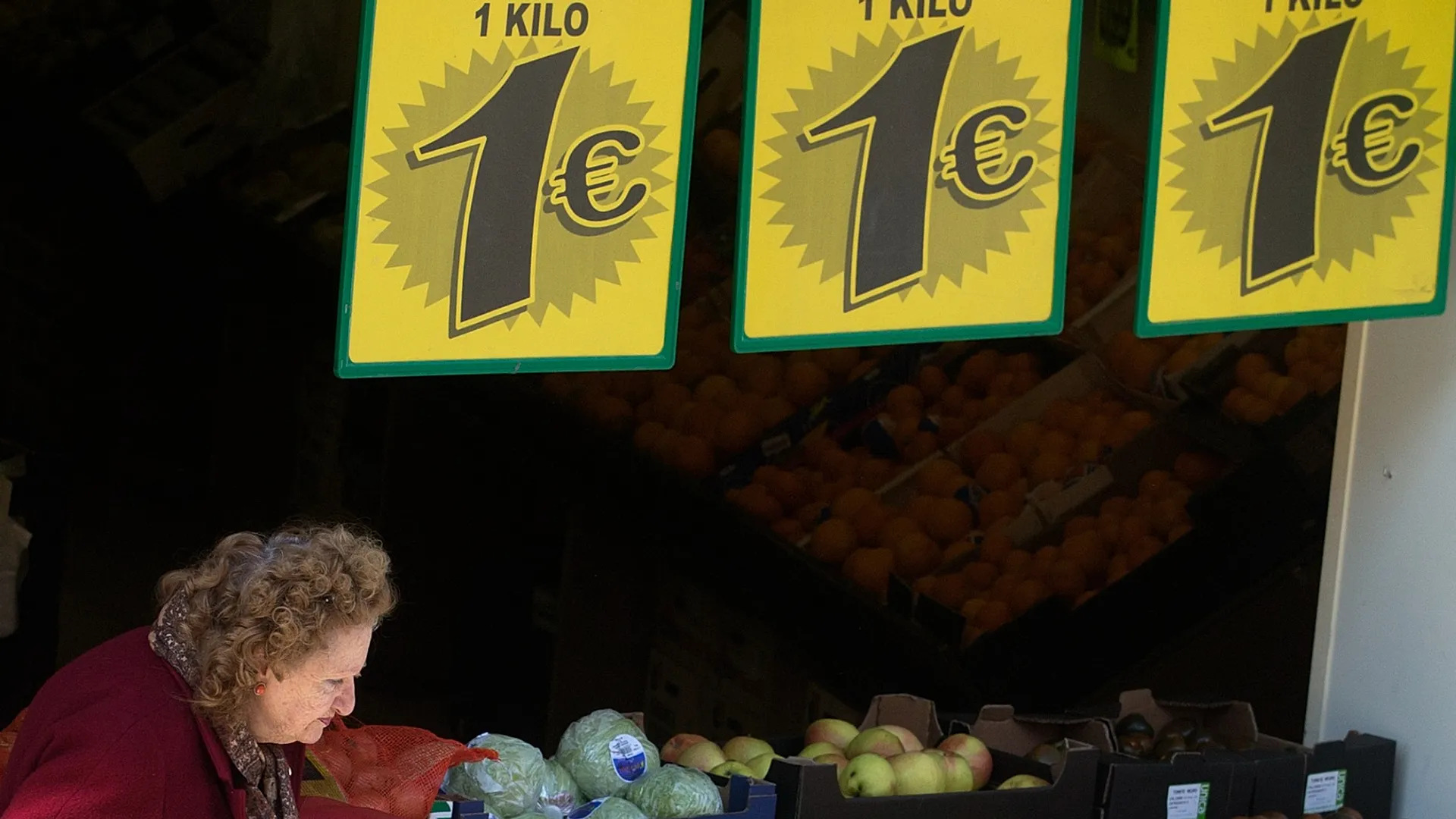
Energy still rewrites the economic script.
Madrid, April 2026. Spain’s annual inflation rate climbed to 3.4 percent in March, a sharp rebound driven mainly by rising fuel prices and the broader energy stress linked to tensions in the Middle East. The increase marks a jump of more than one percentage point from February’s 2.3 percent and confirms that external shocks continue to move quickly through the Spanish economy. What appears as a price update is, in reality, a reminder that macroeconomic stability remains hostage to forces beyond national control.
The composition of the increase matters as much as the headline number. Core inflation, which excludes energy and fresh food, rose to 2.9 percent, while the harmonized index used for European comparisons also reached 3.4 percent. That tells us the pressure is no longer confined to a narrow fuel spike. It is spreading through the structure of costs in ways that affect both households and the credibility of the broader disinflation narrative.
Transport became one of the main transmission channels. Prices in that category rose 5.3 percent year on year, largely because of higher costs for fuels and lubricants. Housing also accelerated to 3.4 percent, propelled by more expensive electricity and liquid fuels. Even clothing and footwear moved upward with unusual intensity, suggesting that what begins as an energy shock often migrates into wider consumption patterns once expectations start adjusting.
The territorial map adds another layer. Madrid posted the highest inflation rate at 4.1 percent, followed by Galicia at 3.8 percent and Castilla La Mancha at 3.7 percent, while Melilla and Ceuta registered the lowest readings at 2.7 percent. These differences reveal that inflation is not experienced evenly across the country. It lands with varying intensity depending on local consumption structures, logistics exposure, and sectoral composition, which means the political effects of inflation are also geographically uneven.
The government’s response has been to defend its anti crisis plan and argue that fiscal measures on fuel are already beginning to show results at service stations. It also maintains that electricity is acting as a cushion and that Spain’s investment in renewables offers a partial shield against the economic fallout of conflict in the Middle East. That argument is not entirely without basis, but it also exposes the limits of policy optimism. A cushion is not the same as insulation, and a shield that softens impact does not eliminate vulnerability.
This is the deeper significance of the March data. Spain may have improved parts of its energy posture and may be better positioned than in past crises, but it still operates inside a wider system where imported fuel costs, geopolitical conflict, and inflation psychology can rapidly undo domestic progress. When oil and energy prices rise, they do not remain isolated in commodity charts. They travel through mobility, housing, consumption, and public expectations until they become political facts.
In that sense, the inflation rebound is not just a statistical event. It is a warning that resilience in Southern Europe remains conditional and exposed. Spain can moderate, cushion, and delay, but it cannot fully escape the strategic truth of an interconnected economy. The price of energy still has the power to discipline growth, test state credibility, and remind governments that economic sovereignty remains, at best, incomplete.
El poder rara vez explica, casi siempre actúa.
Power rarely explains, it mostly acts.