

 Phoenix 24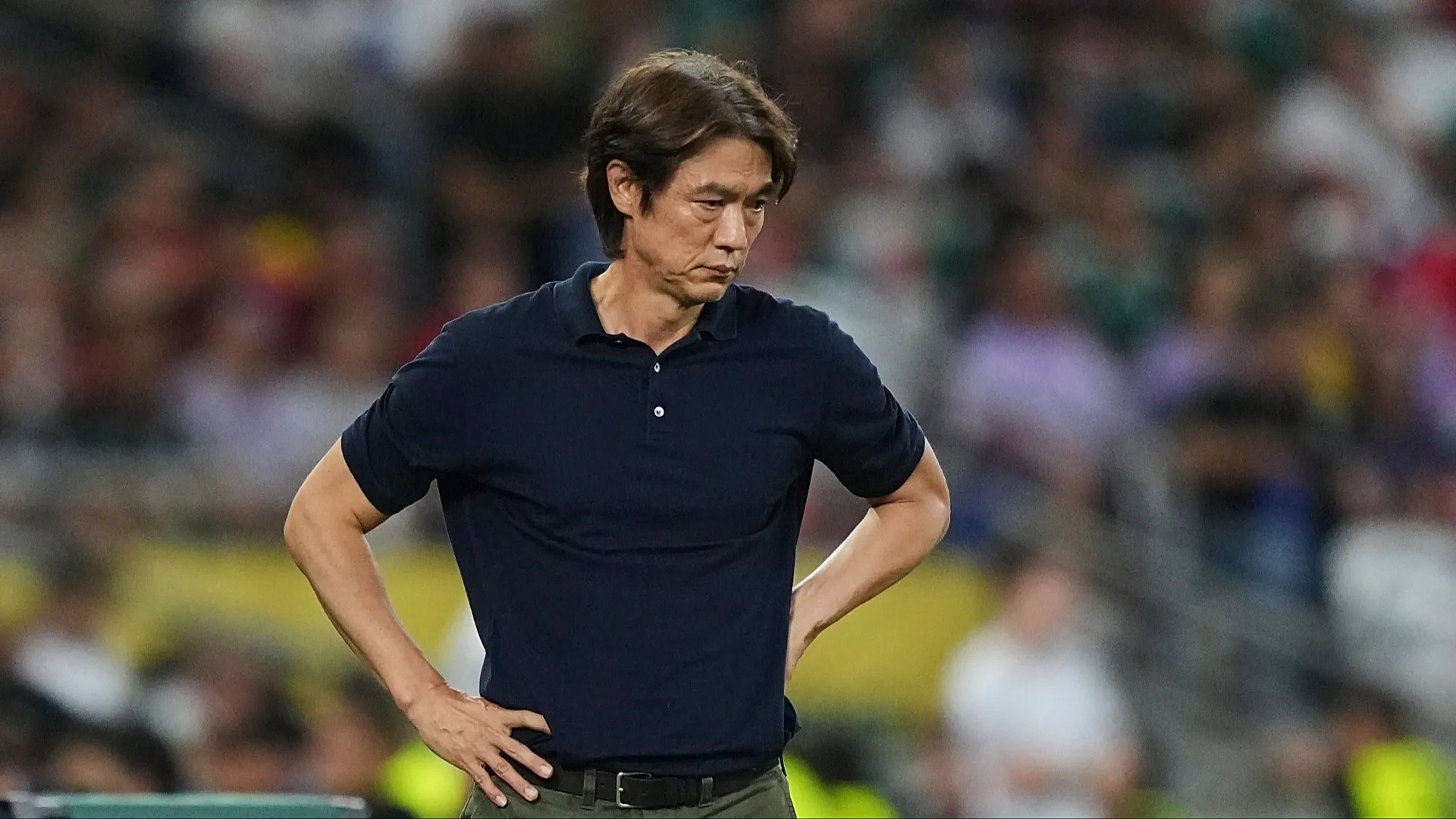
Football failure becomes a crisis of governance.
SEOUL, SOUTH KOREA — July 2026.
South Korea’s premature elimination from the 2026 World Cup has triggered an extraordinary national backlash involving presidential criticism, a coaching resignation, police protection and reported death threats. The team’s failure to advance from the group stage transformed a disappointing sporting result into a wider confrontation over leadership, transparency and governance within Korean football. Former national-team coach Hong Myung-bo has become the principal target of public anger, despite once representing one of the most celebrated periods in the country’s sporting history. The intensity of the reaction has also raised serious questions about the boundary between legitimate accountability and dangerous harassment.
South Korea began its tournament with a promising 2-1 victory over Czechia, creating expectations that the team would reach the expanded round of 32. Those hopes deteriorated after consecutive 1-0 defeats against co-host Mexico and South Africa, leaving the Taegeuk Warriors third in Group A with only three points. The decisive loss to South Africa was particularly painful because a draw would have been enough to preserve a realistic route into the knockout stage. Instead, the campaign ended before the elimination rounds and repeated the group-stage failures experienced in 2006, 2014 and 2018.
Hong announced his resignation shortly after the team’s elimination and accepted responsibility for failing to meet the expectations of supporters. He apologized publicly, said that every decision had been made with Korean football in mind and promised to continue supporting the national side after leaving his position. The departure carried unusual symbolism because Hong captained South Korea during its historic run to fourth place at the 2002 World Cup, still the country’s greatest achievement in the competition. His second unsuccessful tournament as head coach, however, further damaged a legacy already complicated by the group-stage exit under his leadership in 2014.
President Lee Jae Myung delivered an exceptionally severe response, describing the outcome as unacceptable and expressing profound disappointment on behalf of the country. He argued that favoritism and factional loyalty had been placed above competence when leadership appointments were made, presenting the football failure as evidence of a deeper institutional problem. Lee apologized to citizens and ordered swift action to reform sports administration, while the government moved toward examining how the national team had been managed. Presidential involvement elevated the controversy from a federation dispute into a national debate over public accountability and the governance of elite sport.
The team’s return through Incheon International Airport demonstrated how rapidly disappointment had developed into open hostility. Dozens of angry supporters and online broadcasters gathered during the early morning, chanting against Hong and displaying messages declaring that South Korean football had died. Authorities deployed about 160 police and security personnel, created a protected route through the terminal and cancelled the traditional welcome event and press conference because of safety concerns. Hong was escorted quickly to a waiting vehicle while players received a mixture of insults, criticism and occasional expressions of encouragement.
The most alarming development was an online message threatening to kill Hong when he arrived at the airport, prompting police to monitor the situation and prepare for possible violence. Local reports also described restaurants and bars displaying notices banning the former coach from entering, illustrating how sporting anger had moved into everyday public life. The official supporters’ group Red Devils demanded that Hong kneel before the nation and leave football permanently, language reflecting the extraordinary emotional pressure surrounding the defeat. Whatever criticism may be directed at tactical decisions or administrative conduct, threats of physical harm cannot be treated as an acceptable extension of football fandom.
Public resentment toward Hong did not begin at the World Cup, because his return as national coach in 2024 had already been criticized as opaque and influenced by personal connections inside the Korea Football Association. Supporters questioned whether the selection committee had conducted a genuinely competitive appointment process, and police are now examining allegations that senior federation leadership interfered with the decision. Tension increased when Hong omitted veteran captain Son Heung-min from the starting lineup against South Africa, despite the importance of a match in which Korea needed only a draw. That decision became a symbol of the campaign’s perceived mismanagement, even though responsibility for the elimination extended beyond one player selection.
The crisis now places the Korea Football Association under pressure to explain its hiring procedures, technical strategy and use of authority with substantially greater transparency. A credible review will require evidence-based analysis rather than attempts to satisfy public anger by assigning responsibility to a single individual. South Korean football must address institutional weaknesses while protecting coaches, players and officials from intimidation, dehumanization and violence. The country’s response will ultimately reveal whether a painful World Cup failure produces meaningful reform or further damages the culture surrounding its national game.
Phoenix24 — Global news with clarity and perspective.