

 Phoenix 24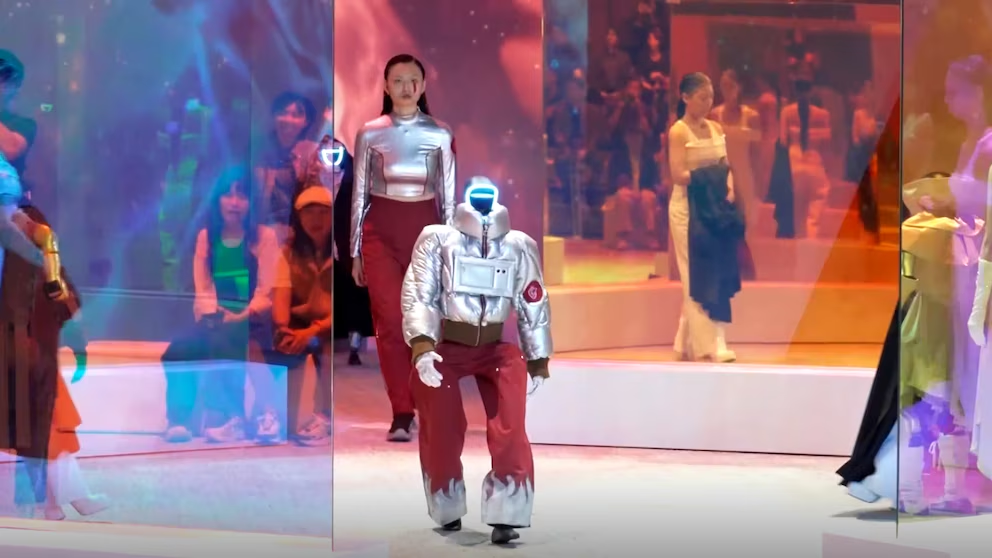
Fashion meets the age of physical AI.
Seoul, June 2026. Human models and humanoid robots shared the runway in Seoul during a fashion event that blurred the line between technology demonstration, cultural performance and commercial spectacle. Presented as part of a physical AI showcase, the event placed robots not behind the scenes as tools, but directly in front of the audience as visible performers inside a traditionally human-centered industry.
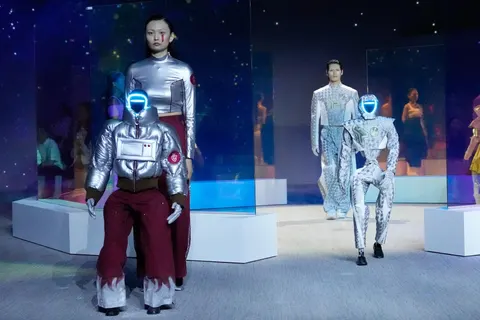
The symbolism was immediate. Fashion has always used the body as language, but Seoul’s runway introduced a new question: what happens when that body is mechanical, programmable and designed to imitate presence without possessing human emotion? The robot models did not simply display clothing. They turned the catwalk into a laboratory for the future of performance, branding and human-machine coexistence.
South Korea is a natural stage for this experiment. The country has built global cultural influence through K-pop, cinema, beauty, gaming and advanced technology. A robot fashion show fits that ecosystem perfectly because it converts innovation into spectacle and spectacle into soft power. Seoul is not only selling devices; it is selling a future where technology becomes part of culture’s emotional architecture.
The event also exposes a deeper commercial shift. Robots are no longer being presented only as industrial machines, domestic assistants or logistics tools. They are being inserted into entertainment, fashion and lifestyle markets where value depends on attention, novelty and symbolic meaning. The runway becomes a testing ground for how audiences react when machines occupy spaces once reserved for human charisma.
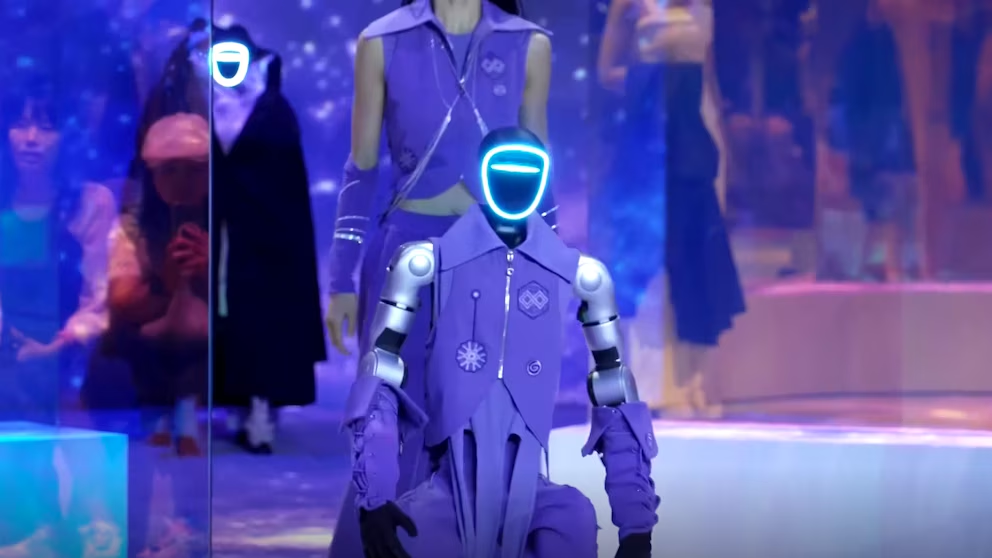
Still, the spectacle carries an uneasy tension. Fashion depends on gesture, vulnerability, attitude and the unpredictable energy of the human body. Robots can reproduce movement, but they cannot yet reproduce lived experience. That limitation may become part of their appeal, but it also reminds us that imitation is not the same as presence.
For brands, however, the opportunity is obvious. Robotic models can become marketing assets, performance objects and technological ambassadors. They do not tire, negotiate image rights in the same way or carry the same biological limits as humans. That efficiency will attract investment, but it will also raise ethical questions about labor, representation and the gradual automation of creative industries.
Seoul’s robot runway should not be dismissed as a novelty. It is a small preview of a larger transformation in which artificial intelligence leaves the screen and enters physical space. The next phase of AI will not only write, calculate or generate images. It will walk, perform, pose and compete for human attention in public.
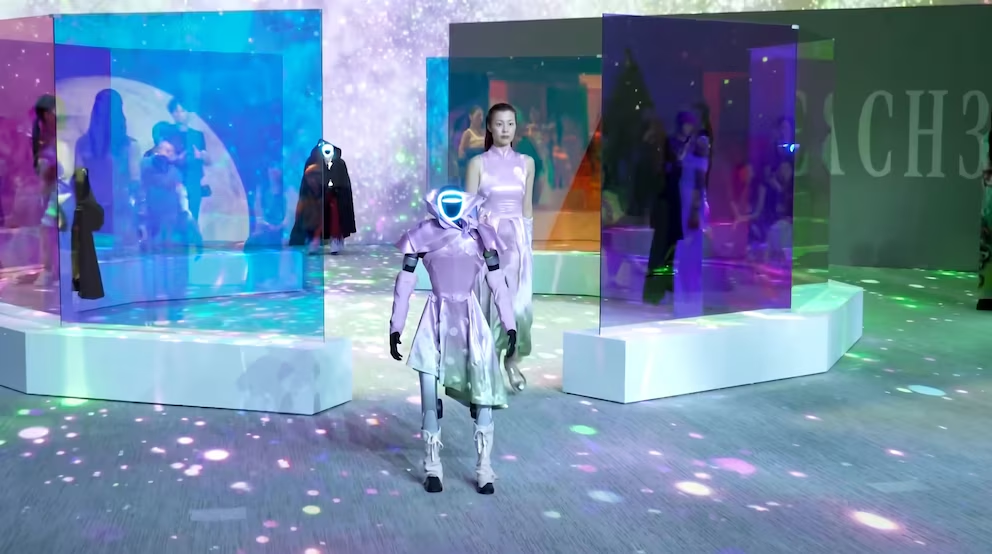
The most important question is not whether robots can model clothes. They already can. The real question is whether audiences will accept machines as emotional carriers of style, aspiration and identity. In Seoul, the future did not arrive as a factory arm or a chatbot. It arrived dressed for the runway.
La narrativa también es poder. / Narrative is power too.