

 Phoenix 24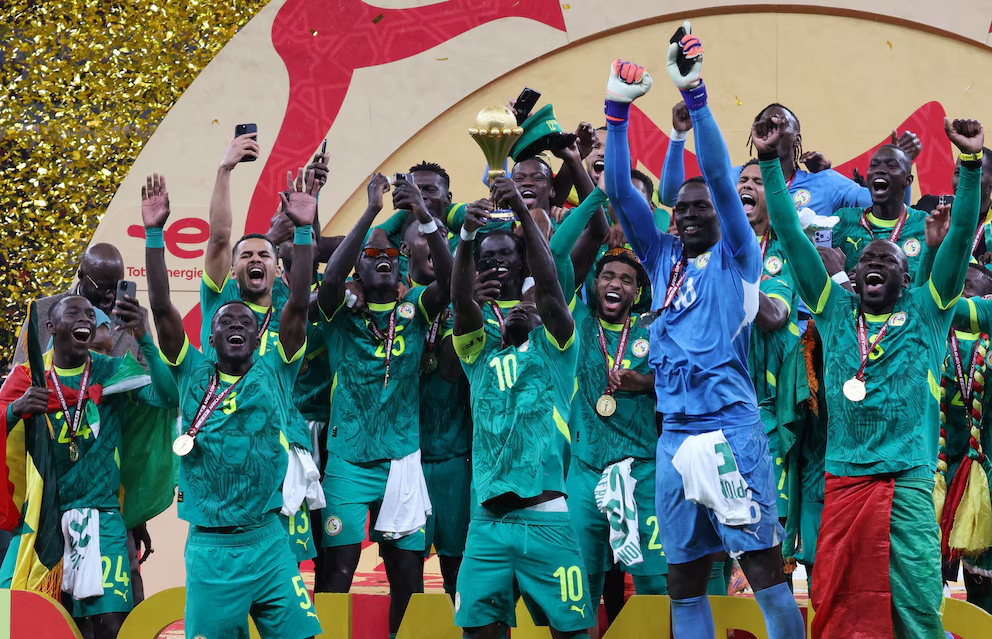
A final defined by tension, controversy and relentless resolve.
Abidjan, January 2026.
In a pulsating climax to the Africa Cup of Nations that matched intensity with uncertainty, Senegal emerged triumphant over Morocco in a final that demanded extra time and every ounce of competitive resolve from both sides. What unfolded on the pitch was not merely a contest of athletic prowess, but a narrative of contrasting styles, fluctuating momentum and strategic brinkmanship that kept tens of thousands in the stadium and millions watching across the continent on edge. Senegal’s victory was not simply a scoreline at the end of extra time; it was a testament to disciplined preparation, mental fortitude and tactical adaptability under pressure. For a nation that holds football as an essential thread of national identity, lifting the Africa Cup of Nations reaffirmed a sense of collective pride that extends far beyond the boundaries of sport.
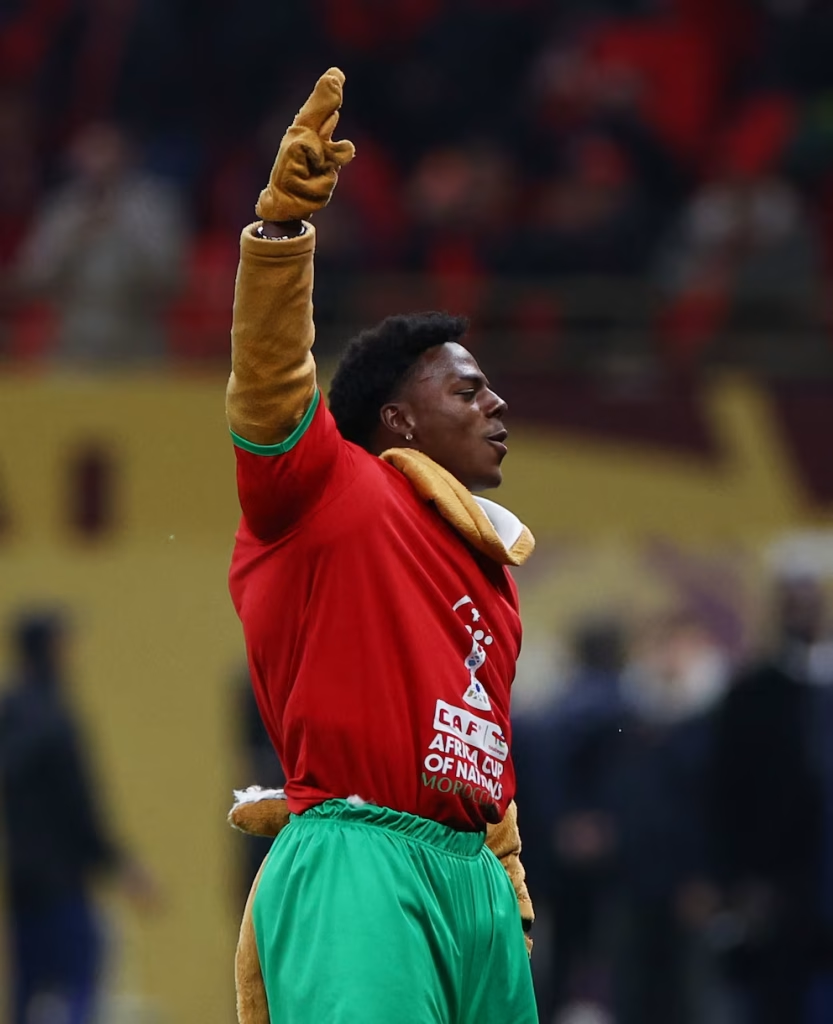
From the opening whistle, stakes were unmistakably high. Senegal adopted a compact defensive structure that balanced readiness to press with caution against Morocco’s transitional speed. Morocco, on its part, displayed tactical fluency, shifting between possession-based build-up and sharp vertical bursts designed to catch opponents off guard. Neither side conceded early ground, and in the first half, the match resembled a chess game in motion, with each team probing for small advantages without relinquishing defensive solidity. Deflections, blocked shots and narrow misses marked a first 45 minutes that delivered tension without clear resolution, a pattern that would persist deep into the contest.
The second half amplified the competitive drama. Both teams adjusted their pressing triggers and off-ball positioning in an effort to destabilize the opponent’s rhythm. Senegal’s midfield oriented plays through wider channels, seeking to exploit space behind Morocco’s advancing fullbacks, while Morocco attempted to draw its opponent forward before releasing rapid counterattacks. Against this backdrop of tactical nuance, key duels emerged across the park, particularly in midfield where battles for second balls and transitions decided possession more often than individual brilliance. The scoreboard remained unchanged, but the narrative accumulated pressure, turning every touch and tackle into a moment of consequence, intensifying a final already rich in strategic complexity.
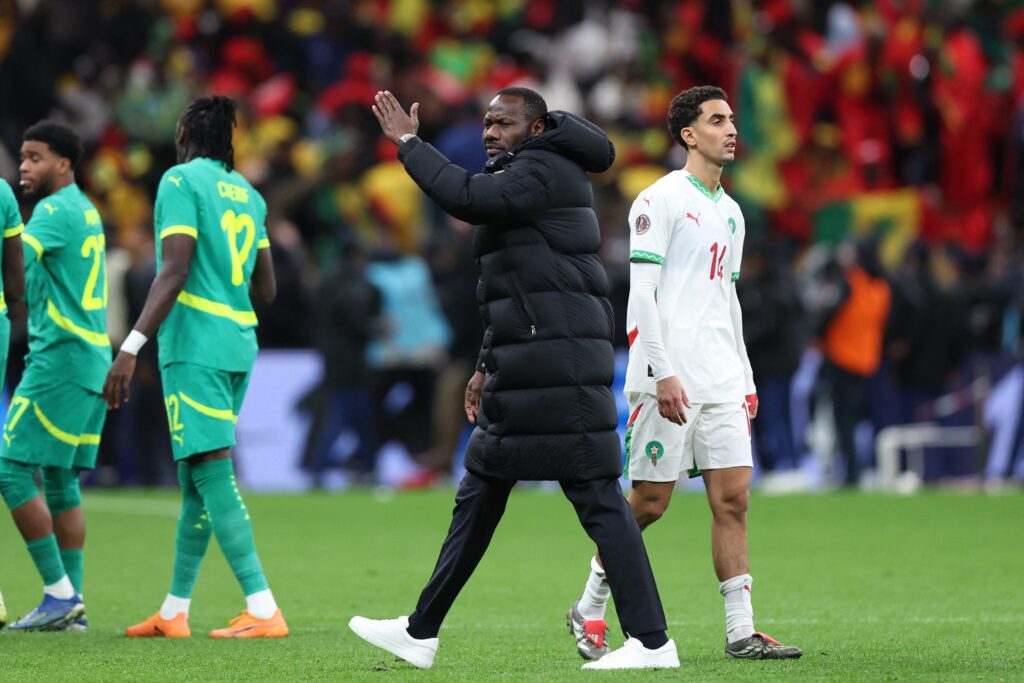
As regular time waned, controversies heightened the stakes. A near-goal chalked off for offside sparked debate among pundits and supporters alike, with replays suggesting the margin of error was thin. A decision on a challenge inside the box that was not penalized added another layer of dispute, fueling conversation about officiating consistency in matches of high consequence. Such moments, while not determinative in isolation, contributed to an atmosphere where every call, every non-call, was scrutinized as though it carried the potential to tilt the balance of victory. For watchers across the continent, these sequences became focal points of discussion, reflecting both passion for the game and concern for procedural fairness.
By the time extra time began, both teams bore marks of the physical and psychological toll exacted by the final. Substitutions brought fresh legs and different tactical looks, but the core contest remained one of endurance and mental resilience. Senegal’s ability to maintain compact lines while probing for depth and speed became decisive. A well-executed sequence involving a swift switch of play opened a corridor that drew Morocco’s defense out of optimal shape. Exploiting this moment, Senegal found a pathway to a decisive strike, a finish built on acute spatial awareness and collective coordination rather than individual flash. The ball in the net was a release of emotional and tactical tension accumulated over the entirety of the match.
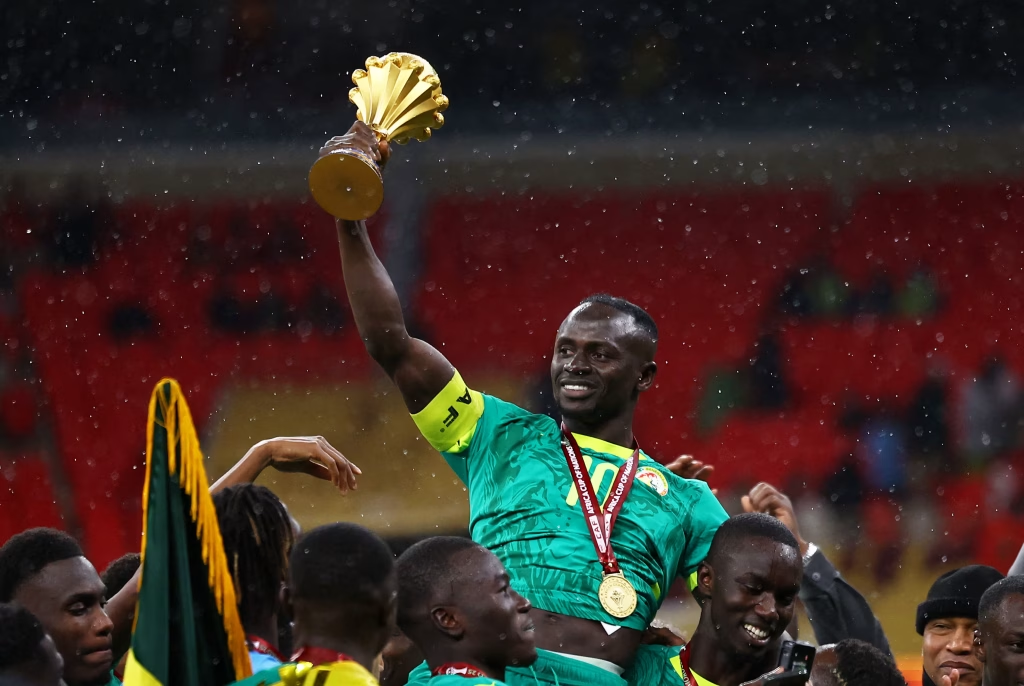
In the moments that followed, Morocco pressed for an immediate response, but the physical demand of extra time and Senegal’s disciplined defensive posture stifled clear opportunities. The final stages of the match saw Senegal manage the clock as much as the ball, balancing urgency with calculated possession to preserve their advantage. When the final whistle confirmed the result, it heralded celebration but also reflection on a match that had tested limits, invited controversy and ultimately showcased the high stakes of continental competition.
Senegal’s victory carries broader significances beyond the trophy itself. For a national program that has invested in youth development, tactical cohesion and competitive consistency over years, this triumph validates strategic commitments made off the pitch as much as performances delivered on it. The coaching staff’s emphasis on balanced play, situational adaptability and psychological readiness was evident in the way the team navigated not only tactical challenges but also the emotional undulations of a final that refused to yield easily to decisive moments. The players’ ability to adhere to strategic discipline while summoning creative responses when required speaks to a maturity in team culture that transcends the immediate tournament.
For Morocco, the defeat in extra time represents heartbreak wrapped in quality performance. The team displayed cohesion, moments of tactical ingenuity and individual skill that repeatedly tested Senegal’s resolve. While the absence of a victorious conclusion hurts, the campaign reaffirmed Morocco’s position among the continent’s elite, with performances that will inform future adjustments and tactical interpretations. The narrow margin separating victory from defeat in such high-stakes encounters underscores the fine line between success and setback at the highest level of competition.
Beyond the nations directly involved, the final offered a broader showcase of African football’s competitive depth. The tournament’s narrative arcs, tactical variations and emotional peaks reflect a landscape where national programs are increasingly investing in both structural and developmental excellence. Whether through enhanced coaching methodologies, analytical integration or broader talent identification networks, the continent’s footballing evolution was present in every phase of the competition. For stakeholders across federations, clubs and supporter communities, the final served both as celebration and benchmark.
In the aftermath, as celebrations unfold and analyses continue, the enduring images from this final will likely be of intensity, resolve and collective effort. Senegal’s conquest of the Africa Cup of Nations in a match steeped in drama and controversy reminds the global football community of the vibrancy and strategic richness embedded in African competition. A trophy is, in many ways, the final punctuation mark, but the story of this match will resonate in conversations about tactical evolution, competitive balance and the enduring human drama that makes sport a vessel for national pride and continental storytelling.
Cada silencio habla. / Every silence speaks.