

 Phoenix 24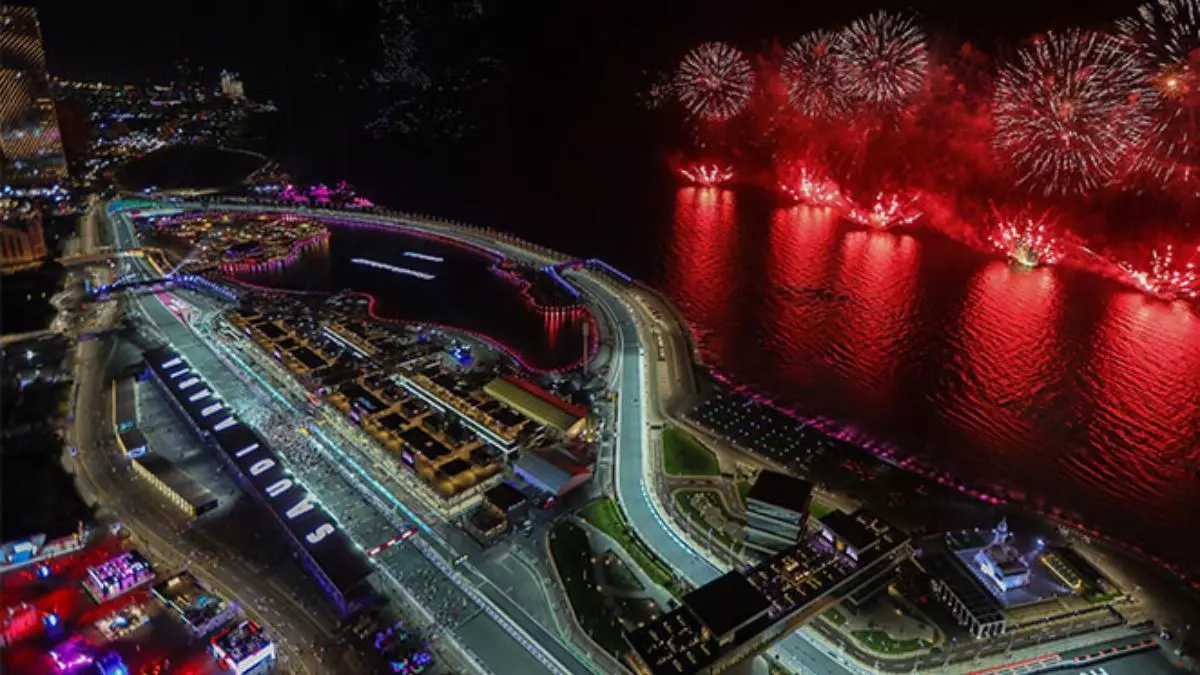
The race is now about influence.
Riyadh, May 2026. Saudi Arabia is pressuring Formula 1 to bring its Grand Prix back to an earlier slot on the calendar, after recent scheduling changes reduced the strategic visibility of one of the kingdom’s most important sports investments. The request reflects more than a preference for dates; it is part of Riyadh’s broader attempt to position itself as a permanent center of global motorsport power.
Formula 1 has become a prestige platform for Saudi Arabia’s international repositioning. Hosting a race is not only about tourism, sponsorship or entertainment, but about projecting modernization, capital strength and geopolitical relevance through a sport watched by a global audience. In that context, calendar placement becomes symbolic territory.
The Saudi race has competed for visibility with other major events in an increasingly crowded F1 season. A later or less strategic date can reduce media impact, weaken commercial momentum and dilute the diplomatic value of the event. For Riyadh, returning to a more prominent position would reinforce the message that Saudi Arabia is not a peripheral host, but one of the championship’s core power markets.
The pressure also exposes Formula 1’s delicate balance. The sport depends heavily on new money, global expansion and Middle Eastern investment, but it must also protect competitive rhythm, logistics and the credibility of a calendar already stretched by commercial ambition. Every new adjustment now carries both sporting and geopolitical consequences.
Saudi Arabia understands the language of modern sport clearly: visibility is influence, and influence is infrastructure. Formula 1 may present calendar decisions as operational choices, but in the Gulf’s strategic economy, a race date can become a diplomatic asset. The fight over the calendar is therefore not just about when the Grand Prix happens, but about who gets to occupy the center of the global spectacle.
La narrativa también es poder. / Narrative is power too.