

 Phoenix 24
Her public image combines sensuality, cultural identity and resistance to Hollywood’s expectations about age.
LOS ANGELES, UNITED STATES
Salma Hayek has reached the age of 60 with one of the most recognisable images in international cinema. Form-fitting silhouettes, intense colours, elaborate embroidery and statement jewellery have become recurring elements of a style that embraces visibility rather than discretion.
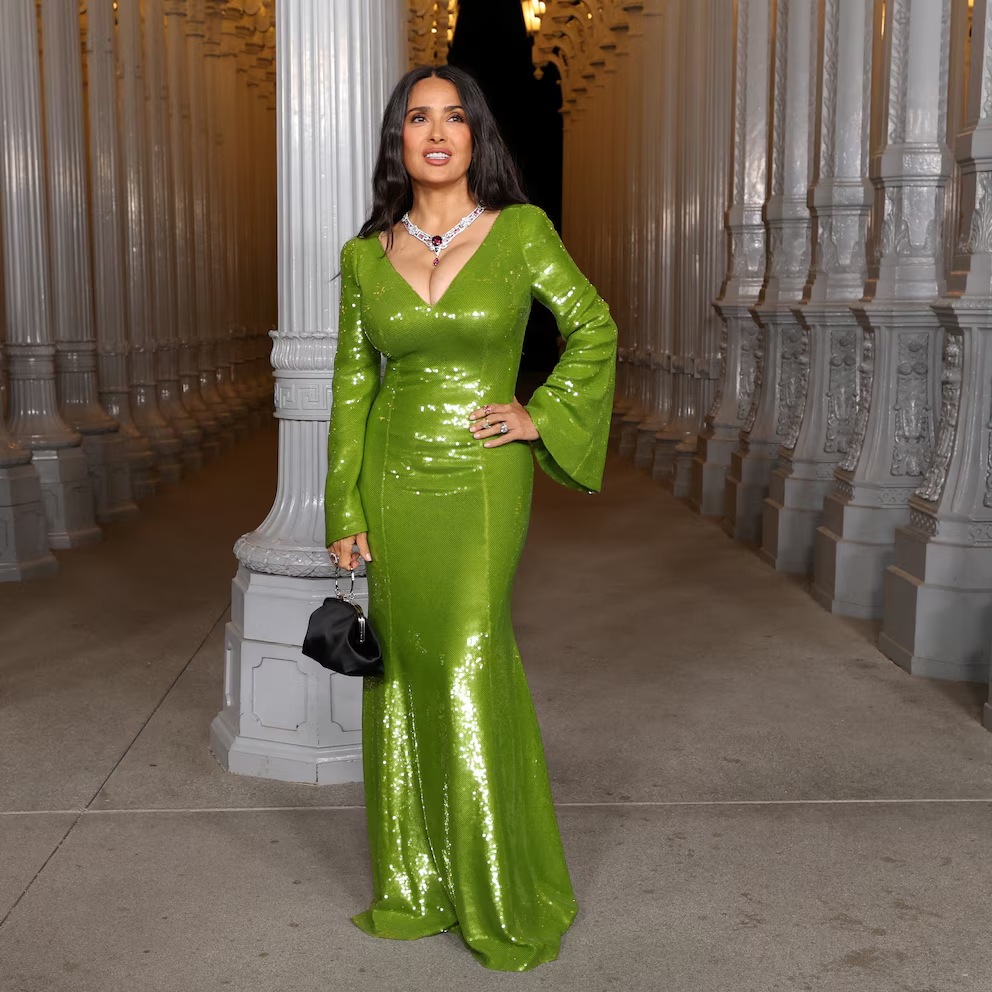
Her relationship with fashion was not always supported by major designers. During her early years in Hollywood, Hayek has recalled struggling to obtain gowns because leading fashion houses were reluctant to dress an emerging Mexican actress with a body that differed from the industry’s preferred proportions. She sometimes relied on men’s suits or assembled outfits with limited resources for important public appearances.
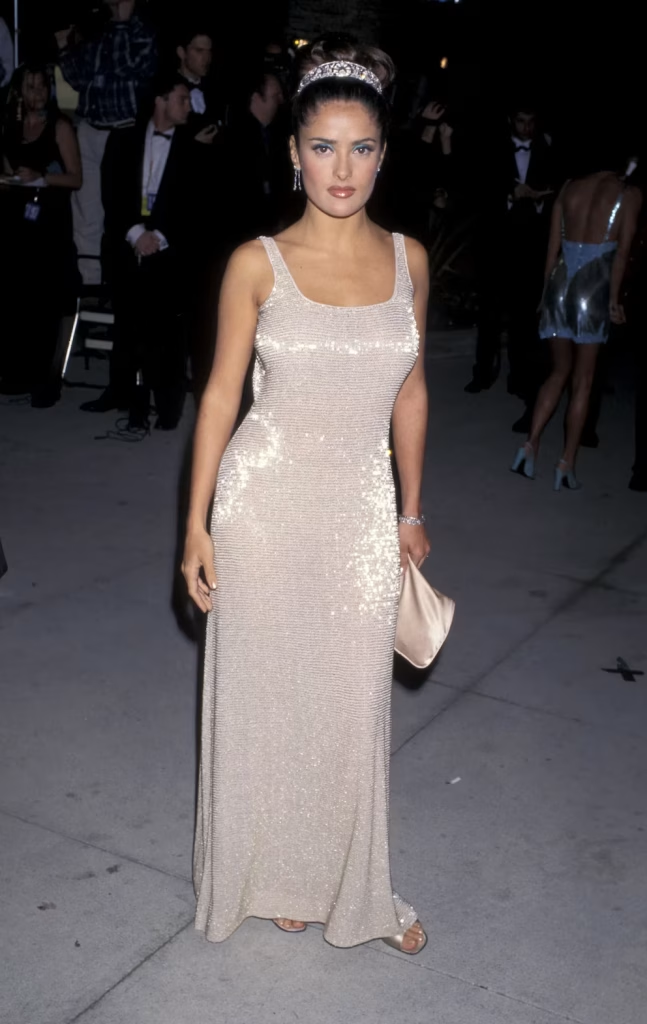
As her career expanded, that exclusion gave way to close relationships with houses including Gucci, Saint Laurent and Balenciaga. Hayek developed a consistent visual language that combines classic screen glamour with corsetry, plunging necklines, structured waists, transparent fabrics and vibrant tones. The continuity makes her recognisable even when she moves between formal galas, film festivals and more relaxed appearances.
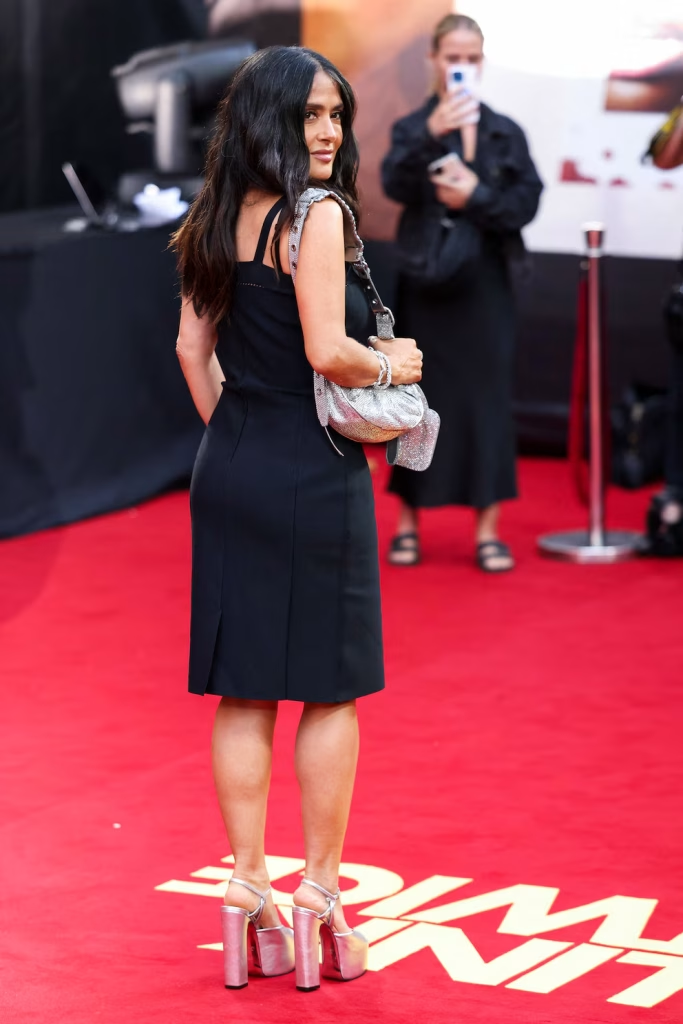
The image cannot be separated from the professional authority she built. After becoming widely known through Desperado, Hayek pursued and produced Frida, overcoming years of resistance before bringing the life of Mexican painter Frida Kahlo to the screen. The performance earned her an Academy Award nomination for Best Actress and helped establish her as an actor and producer capable of developing her own projects.
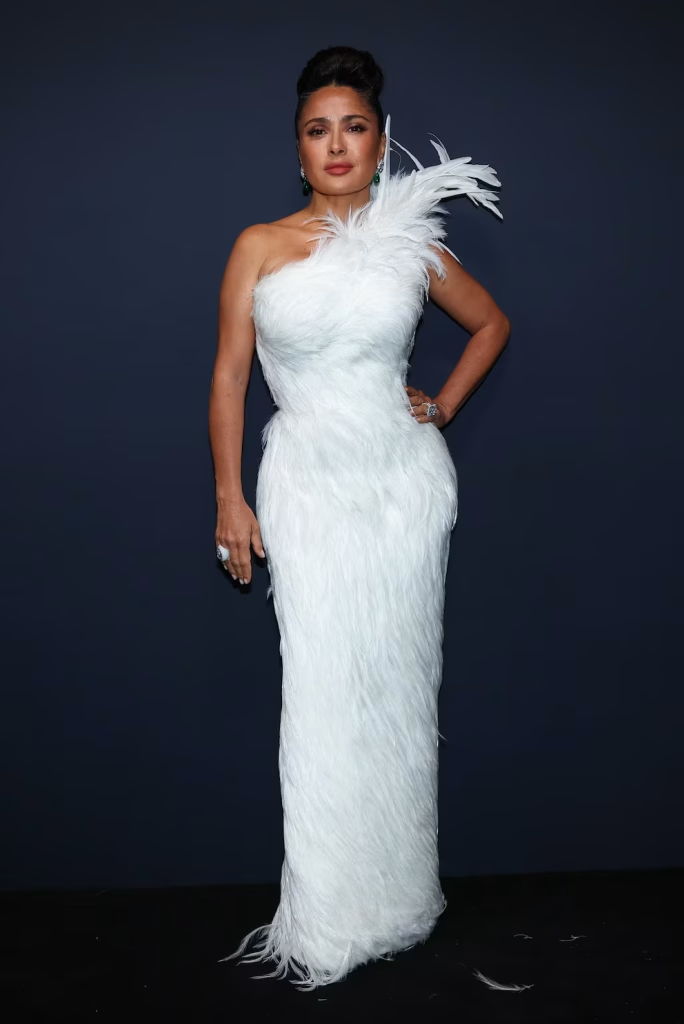
At 60, Hayek continues to reject the idea that maturity requires women to become less visible or abandon sensuality. Her influence lies not in presenting a universal model of ageing, but in retaining control over how she appears and how her body is discussed. What began as adaptation within an exclusionary industry gradually became an assertion of identity on her own terms.
Hechos que no se doblan. / Facts that do not bend.