

 Phoenix 24

Shakespeare’s tragedy returns with youthful intensity.
London, March 2026
A new production of Romeo and Juliet is set to arrive in London’s West End with two actors whose careers have largely developed on screen. Sadie Sink and Noah Jupe will portray Shakespeare’s most famous lovers in a staging that aims to reconnect classical theatre with contemporary audiences. Their participation has already drawn attention within the theatre community, not only because of their popularity but also because it represents a generational shift in how Shakespearean roles are cast.

The production is directed by Robert Icke, one of Britain’s most respected theatre directors and known for reinterpreting classic works with psychological depth and modern staging. His approach typically focuses on emotional realism rather than elaborate historical settings. In this version of Romeo and Juliet, the emphasis lies on the emotional urgency and fragility of youth, an interpretation that aligns closely with the age and energy of the two leading actors.

Sadie Sink gained global recognition through television and film, particularly for her work in the series Stranger Things. Although widely associated with screen acting, her career began on stage during childhood, where she performed in Broadway productions. The role of Juliet marks her first major appearance in London’s West End, representing a return to the theatrical roots that originally shaped her training as an actress.
Noah Jupe has built his reputation through a series of acclaimed film roles, including performances in dramatic productions that emphasized subtle emotional expression. His casting as Romeo represents a transition from film into live theatre, a move that often presents unique challenges for actors accustomed to working in front of cameras rather than a live audience.
Casting performers close to the characters’ original ages is also a deliberate creative choice. Shakespeare’s Romeo and Juliet are teenagers, and their relationship unfolds with the impulsiveness and emotional intensity characteristic of youth. Many modern productions cast older actors in the roles, but this staging seeks to emphasize the vulnerability and immediacy at the center of the tragedy.
The production will be staged at the Harold Pinter Theatre, one of the historic venues of London’s West End. Known for hosting both classic and contemporary works, the theatre provides an intimate setting that allows audiences to experience the emotional dynamics of the play at close range. This environment is particularly suited to productions that focus on psychological nuance rather than grand spectacle.
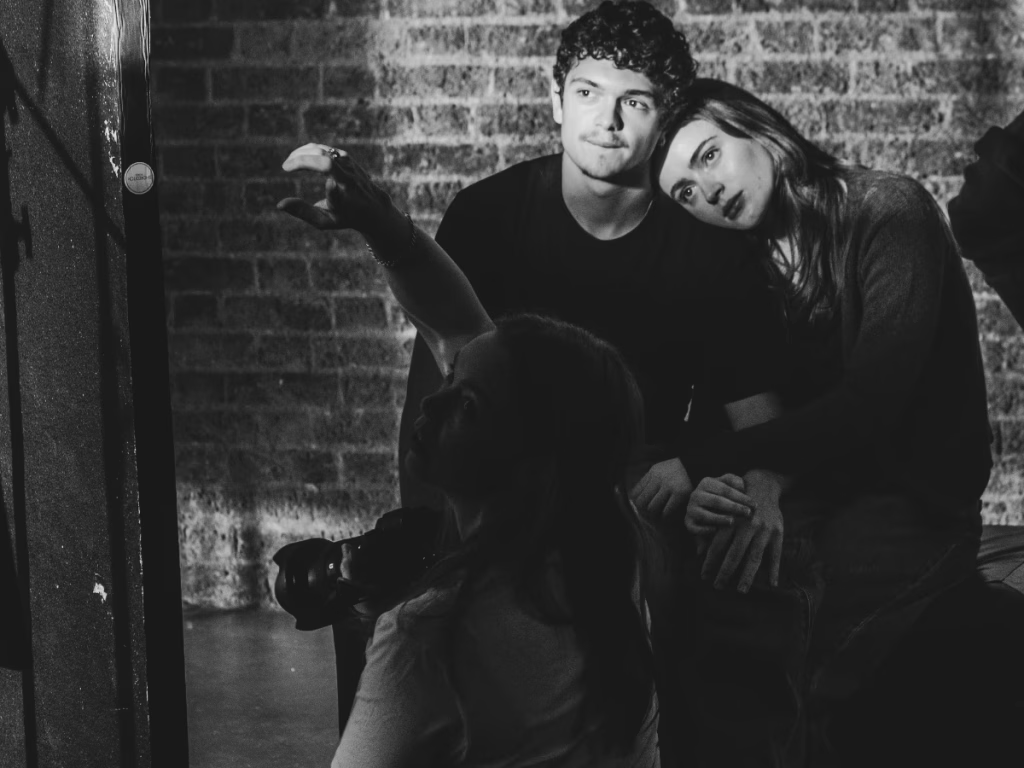
Supporting roles in the production will be filled by experienced stage actors who bring significant theatrical backgrounds to the ensemble. Their presence ensures that the performance maintains the dramatic structure and textual depth associated with Shakespearean theatre, while the younger leads provide a sense of immediacy and cultural relevance.
Visually, the staging adopts a restrained aesthetic. Instead of recreating the historical Verona of the Renaissance in elaborate detail, the production prioritizes atmosphere and character interaction. Modern lighting, minimalist stage design and subtle costume choices allow the emotional tension of the narrative to remain at the center of the performance.

Romeo and Juliet remains one of the most frequently performed plays in the world. Written in the late sixteenth century, the tragedy explores themes of forbidden love, generational conflict and the destructive consequences of social divisions. These themes continue to resonate with audiences across cultures and eras, which explains the enduring presence of the play in global theatre.
In recent years, theatre producers have increasingly sought to bridge the gap between traditional stage productions and contemporary popular culture. Casting well-known film actors in classical roles has become one strategy for introducing younger audiences to theatrical storytelling while preserving the artistic integrity of the original texts.
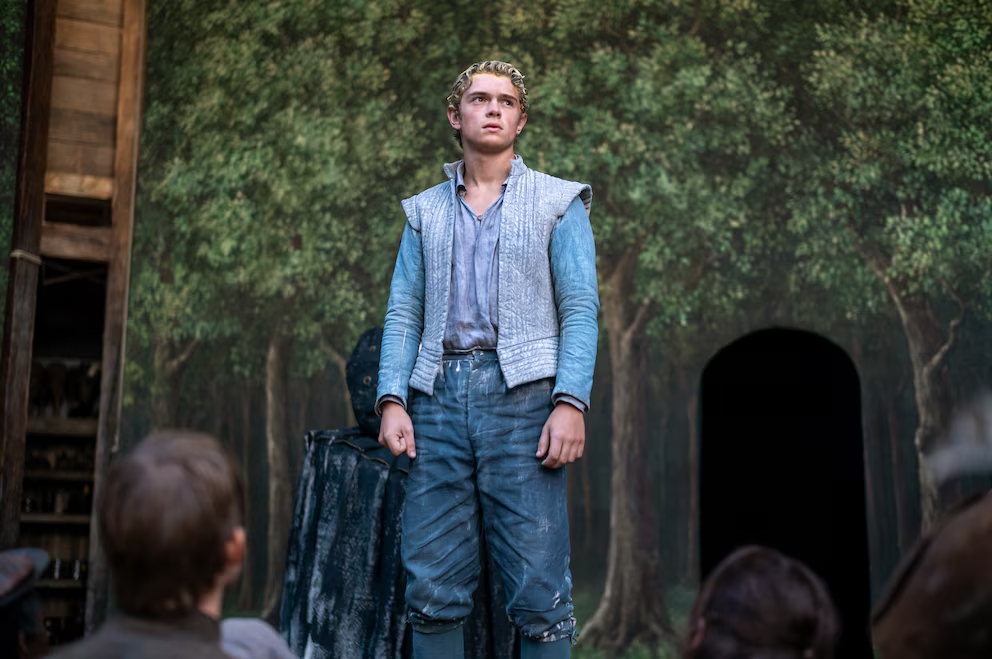
For actors such as Sink and Jupe, the stage represents a different kind of artistic challenge. Unlike film acting, where performances are assembled through editing and multiple takes, theatre requires sustained concentration and immediate interaction with the audience. Each performance unfolds in real time, demanding a level of discipline and presence that many performers consider the ultimate test of their craft.

That challenge is part of what makes theatre so appealing to actors seeking to deepen their artistic range. The ability to hold the attention of a live audience for the duration of a performance requires both emotional authenticity and technical precision. For younger actors whose careers have been shaped largely by screen work, returning to the stage can represent an important milestone.
As anticipation builds around this new production, expectations are high that the combination of youthful energy and thoughtful direction will offer a fresh perspective on Shakespeare’s timeless tragedy. Whether it becomes a defining interpretation of the play remains uncertain, but its arrival has already positioned it among the most closely watched theatrical events of the season.
Phoenix24: journalism without borders. / Phoenix24: periodismo sin fronteras.