

 Phoenix 24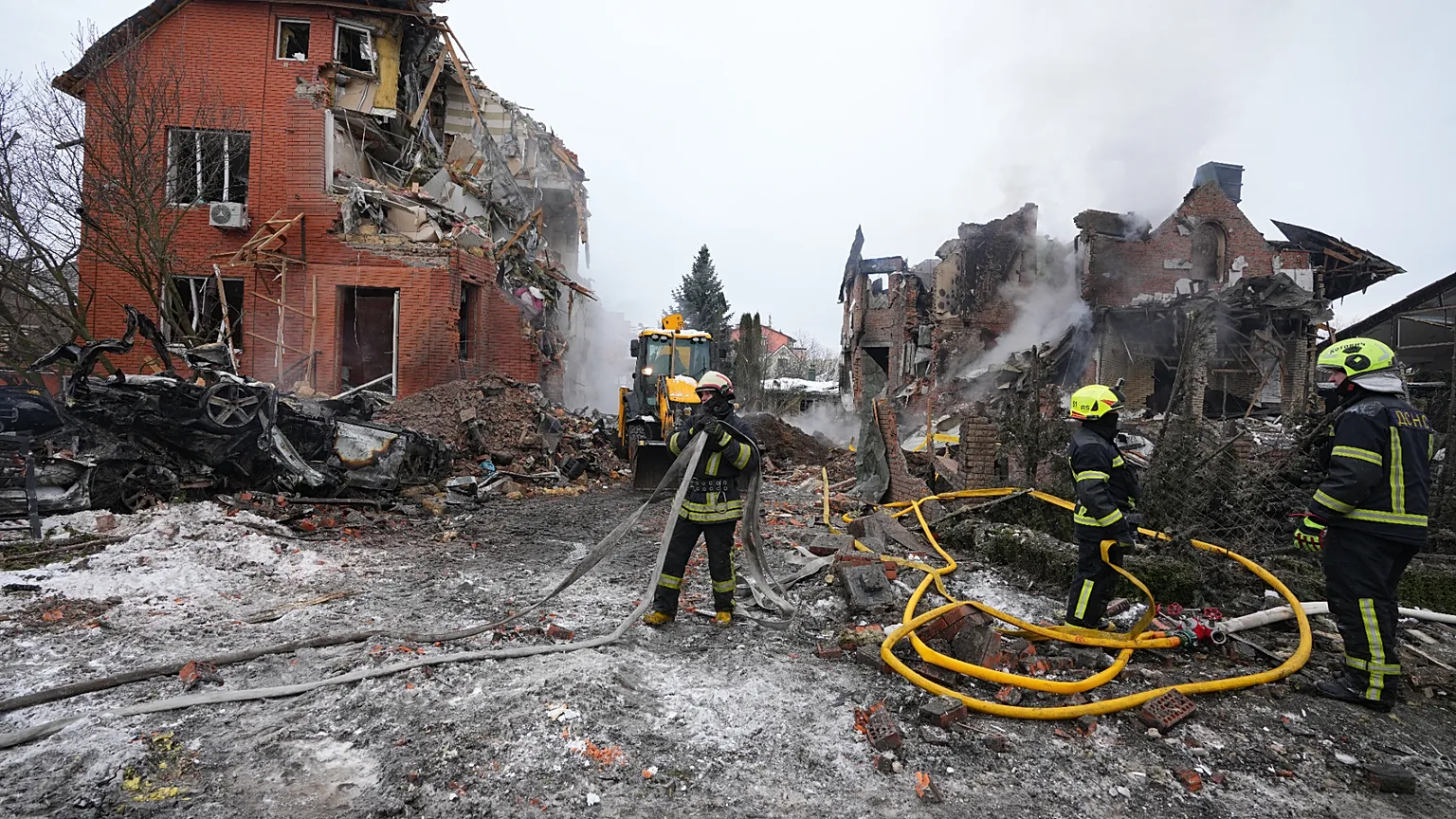
The air war is becoming industrial routine.
Kyiv, February 2026.
Ukraine says Russia unleashed one of the heaviest combined strikes of the war, a night of roughly 50 missiles and nearly 300 drones aimed across multiple regions. The target set was familiar and strategic, energy infrastructure, transport nodes, and residential areas that carry both physical and psychological value. Kyiv and its surrounding districts reported damage and casualties, while southern and central regions also absorbed hits. The operational message was not subtle: Russia can still generate scale, and it is willing to spend it on attrition.
Ukrainian air defense reported a high interception rate, claiming most drones were shot down or neutralized through electronic warfare, along with a significant share of incoming missiles. Even with successful defenses, the remainder is enough to cause fires, break power supply, and create a rolling emergency that stretches responders thin. This is the asymmetry of mass attacks, defenders can “win” tactically and still lose sleep, stability, and repair capacity. The goal is less battlefield breakthrough than national exhaustion.
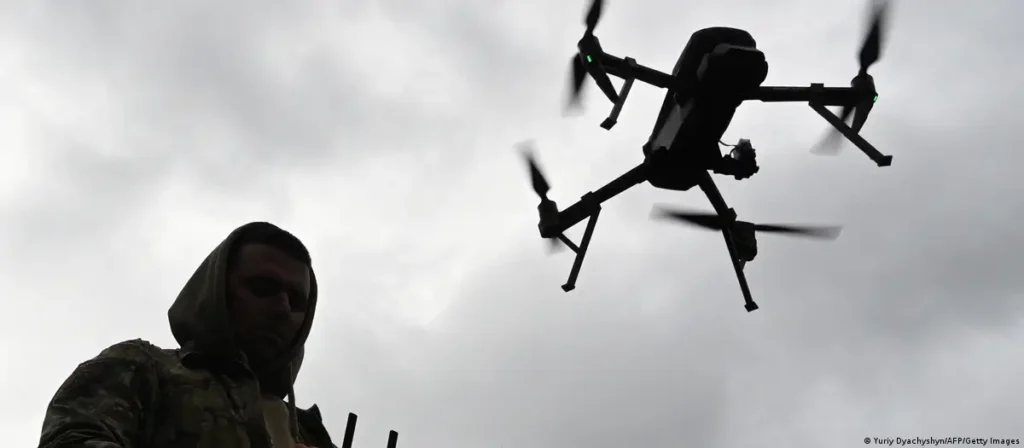
Energy infrastructure again sat near the center of the strike narrative, with the Odesa region reporting serious impacts and visible fires that required hours of response. This aligns with a pattern Ukraine has warned about for months, attacks timed to degrade generation, distribution, and confidence ahead of seasonal spikes in demand. When energy becomes the target, the war touches people who are not soldiers, hospitals, apartments, and daily commerce become collateral by design. The United Nations has repeatedly stressed that sustained attacks on civilian infrastructure magnify humanitarian risk well beyond the blast radius.
The timing also carries political weight, coming days before the fourth anniversary of Russia’s full scale invasion. Anniversary windows matter because they focus international attention and shape donor and security debates in allied capitals. A high volume strike in that corridor functions like a reminder to external audiences that the conflict is not frozen, and that Ukraine’s air defense needs remain urgent. It also tests the narrative of diplomacy, because negotiations look abstract when cities are absorbing waves of drones.
Alongside the overnight bombardment, Ukrainian authorities reported a separate incident in western Ukraine, explosions in Lviv described by officials as a terror style attack that killed a young police officer and injured dozens. The simultaneity matters psychologically, because it widens the sense of national vulnerability beyond the front and beyond the capital. Even when incidents are operationally distinct, the public experiences them as one continuum of insecurity. That continuum is part of what mass strike strategies are built to create.
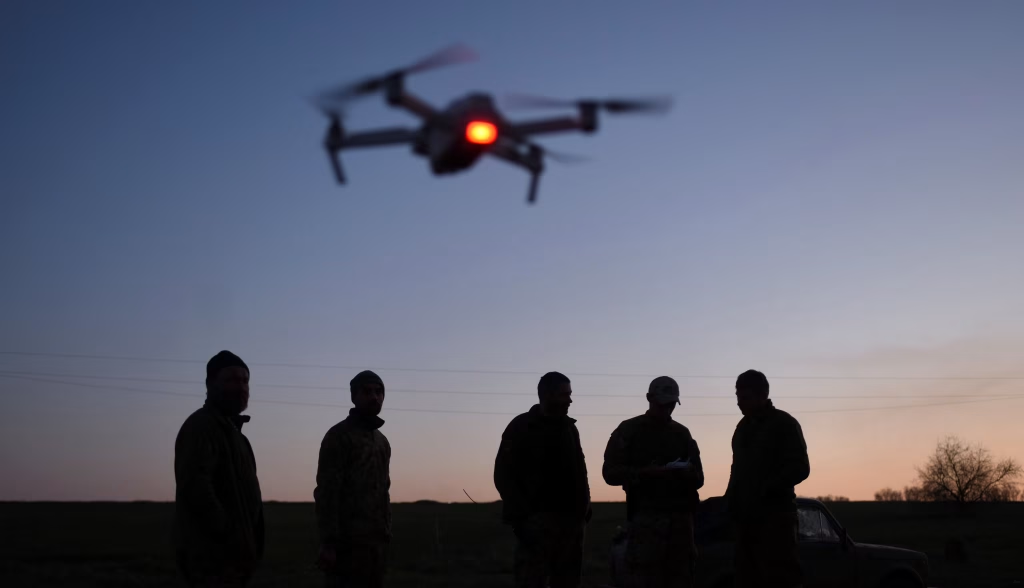
Moscow’s calculus appears to combine military pressure with informational pressure, forcing Ukraine to speak in numbers every morning, how many drones, how many missiles, how many intercepted, how many got through. Numbers can reassure, but they also normalize a grim routine and shift public expectations downward. This is why the language from Kyiv tends to frame these attacks as not only warfare but as intentional terror against civilian life, a framing designed to keep external partners engaged. Ukrainian officials have also used such moments to renew calls for tighter sanctions and faster delivery of air defense systems, arguing that interception rates are a function of supply, not luck.
From outside the region, the reaction signals a broader moral and institutional fatigue paired with periodic urgency. The Vatican, through a renewed appeal from the Pope, has framed the war as a wound that cannot be postponed, a plea that lands in Europe’s public sphere as both conscience and frustration. Yet moral appeals do not stop drones, and the gap between ethics and capability remains the defining feature of this phase. The conflict increasingly looks like industrialized air harassment, where the ability to manufacture, stockpile, and launch at scale becomes as decisive as tactics.
There is also a quiet global supply chain story inside this strike profile. Ukraine and multiple international analysts have repeatedly pointed to the role of externally designed drone families, and to the way components, chips, and commercial parts can be routed through intermediaries even under sanctions pressure. This is why enforcement has become as important as policy, because the air war is partly sustained by the ability to acquire parts in the grey zones of trade. For Europe and North America, the implication is uncomfortable, sanctions credibility is measured not only by declarations but by whether the drone assembly line slows.
What the night ultimately illustrates is that the air domain has become the war’s most persistent theater, not because it produces dramatic territorial maps, but because it produces daily leverage over civilian life. Interceptions can be impressive, but they do not erase the strategic intent, to impose repair costs, to disrupt energy, and to keep uncertainty in the bloodstream of ordinary routines. In this model, the war does not need to be spectacular to be effective, it only needs to be constant. Ukraine’s defense is buying time, but time is precisely what mass attacks are designed to steal.
Contra la propaganda, memoria. / Against propaganda, memory.