

 Phoenix 24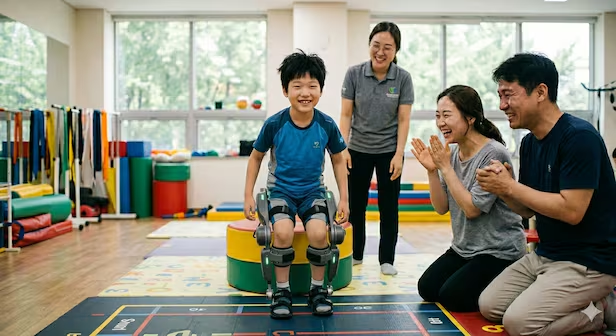
Technology is changing the meaning of rehabilitation.
Boston, June 2026
A new generation of robotic therapy is transforming rehabilitation for children with physical disabilities, allowing some patients to stand, balance and move with a level of independence that once seemed unattainable. The breakthrough highlights how robotics is moving beyond industrial automation and entering one of the most human-centered areas of medicine: restoring mobility and confidence to children facing lifelong physical challenges.
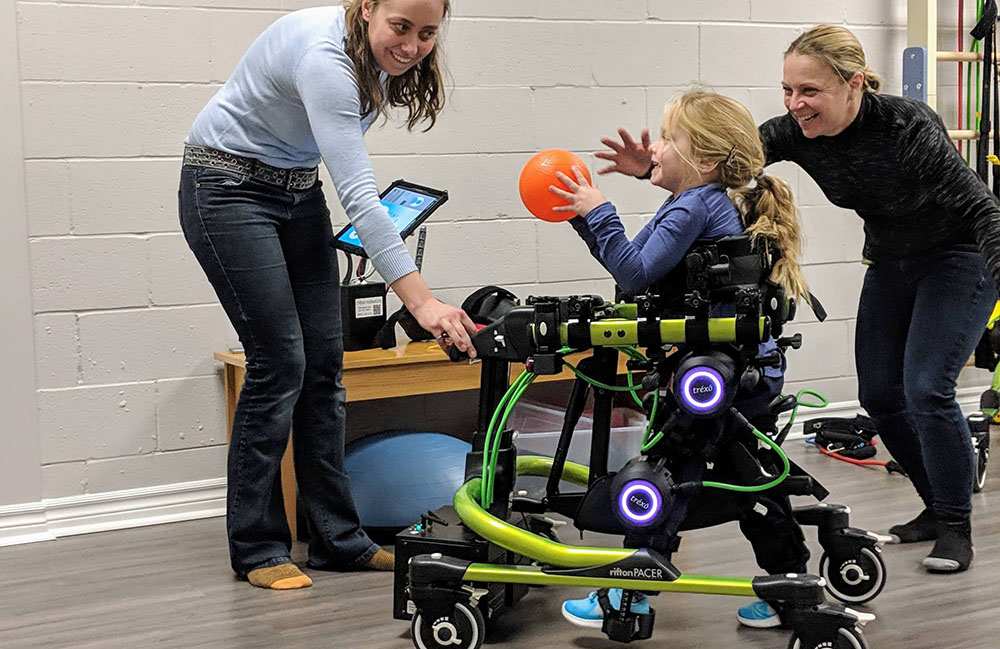
The technology uses wearable robotic systems that support movement while encouraging the body to actively participate in rehabilitation. Unlike traditional passive assistance devices, these systems are designed to stimulate muscle activation, reinforce neurological pathways and help children develop motor skills through repetition and guided movement. The goal is not merely to move for the patient, but to help the patient relearn movement.
For many families, the impact extends far beyond clinical measurements. Standing independently, taking steps or maintaining balance can represent milestones that affect self-esteem, social interaction and daily quality of life. Rehabilitation therefore becomes more than a medical process; it becomes a pathway toward greater autonomy and participation in everyday activities.
Researchers involved in the development of these therapies emphasize that robotic rehabilitation does not replace physical therapists. Instead, it enhances their capabilities by providing precise support, real-time feedback and highly controlled movement patterns. This combination of human expertise and technological assistance allows therapy sessions to become more consistent and personalized.
The emergence of robotic rehabilitation also reflects a broader shift in healthcare. Artificial intelligence, sensors and advanced robotics are increasingly being integrated into treatment plans that were once limited by human endurance and available resources. As these systems become more sophisticated, they may help reduce recovery times and improve outcomes for patients with neurological and physical impairments.
The challenge remains accessibility. Advanced rehabilitation technologies often carry high costs and require specialized facilities, limiting availability for many families. Expanding access will depend on healthcare investment, insurance coverage and continued innovation capable of reducing costs without sacrificing effectiveness.

The deeper significance lies in what these machines represent. They are not replacing human care; they are extending human possibility. For children learning to stand on their own, the robot is not the story. The story is the recovery of movement, independence and hope that technology can help make possible.
Phoenix24: intelligence for free audiences. / Phoenix24: inteligencia para audiencias libres.