

 Phoenix 24
Literature still knows how to provoke.
Madrid, May 2026.
Richard Ford has returned to the public conversation with a sentence that carries both irony and existential weight: if he does not die first, he will publish a comic novel about euthanasia. The remark condenses the tone of a writer who has spent decades observing ordinary life through fatigue, contradiction and moral discomfort.
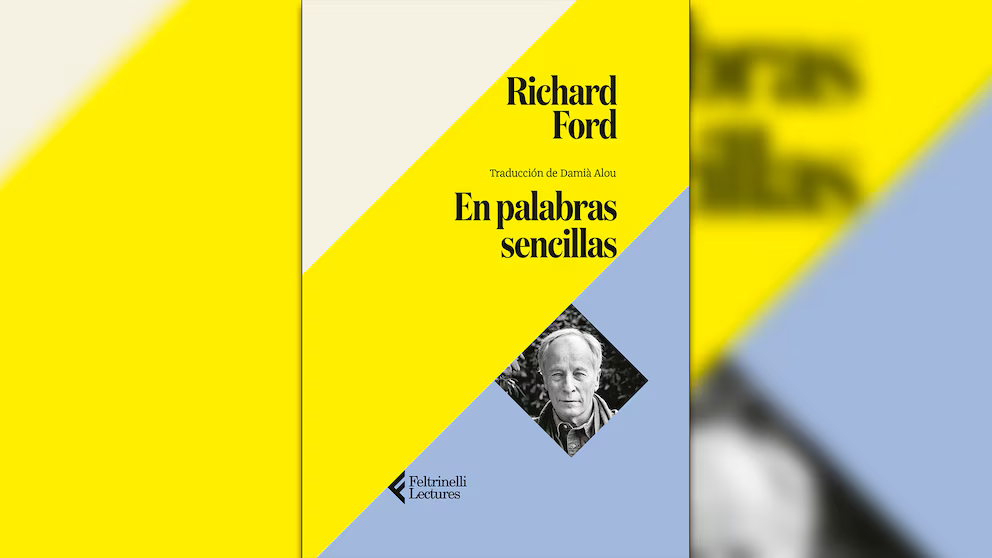
Ford’s project is striking because euthanasia usually enters public debate through law, medicine, religion or ethics. By approaching it through comedy, the American novelist shifts the emotional frame. He does not trivialize death; he exposes the absurdity, fear and tenderness that often surround the final decisions of human life.
The gesture fits his literary world. Ford’s work has long explored aging, masculinity, failure, family tensions and the slow erosion of certainty. His characters rarely arrive at clean conclusions. They move through ambiguity, which is precisely where comedy can become sharper than solemnity.

The cultural relevance lies in the risk. A comic novel about euthanasia can easily be misunderstood in a society divided between autonomy, dignity, medical responsibility and moral taboo. But literature’s function is not to stabilize consensus. It is to enter the wound without asking permission from public comfort.
Ford’s statement reminds us that the most serious subjects do not always demand solemn language. Sometimes they require irony because irony allows readers to approach what fear keeps distant. Death, in his hands, may not become lighter. It may become more honest.
La narrativa también es poder. / Narrative is power too.