

 Phoenix 24
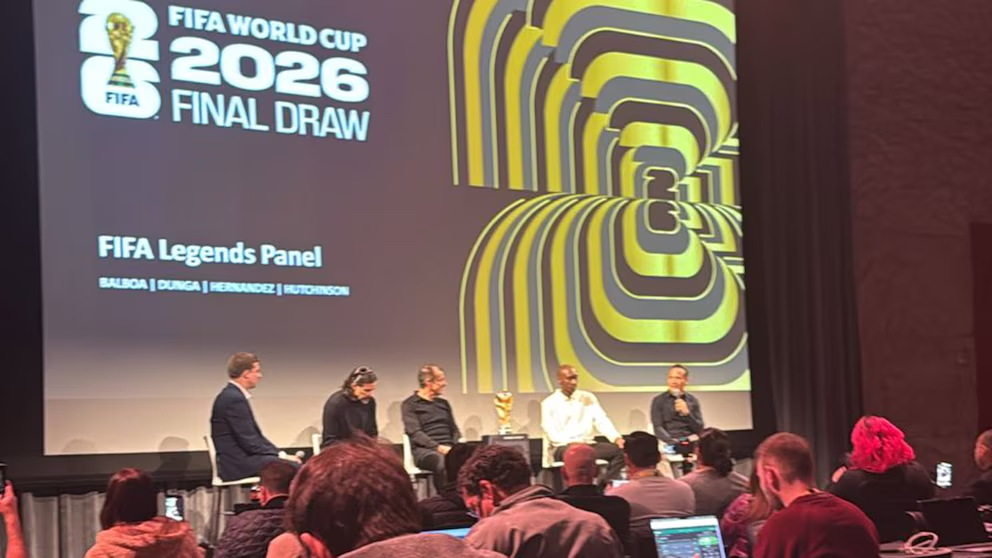
When preparation becomes a performance the world senses the moment before it happens.
Washington D.C., December 2025
The Kennedy Center has entered a state of controlled transformation. What is usually a cultural landmark dedicated to orchestras, theatre and national ceremonies has become a temporary command center for global football. The corridors once filled with rehearsals for string sections now host camera crews, production engineers and teams of technicians carrying cases of lenses, cables and lighting modules. The iconic foyer is being reshaped into a platform that must handle an event with massive global visibility, the draw that will determine the opening paths of the 2026 world championship.
Across the venue, crews move with disciplined urgency. On one side of the hall, decorators install panels featuring legends whose careers shaped decades of football history. In another wing, lighting teams adjust rigs to match international broadcast standards. Specialists in event acoustics test the resonance of the main hall, ensuring that every announcement, every presentation and every moment of ceremony will be transmitted with clarity to audiences dispersed across continents. The space feels like a hybrid between a theatre production and a diplomatic summit.
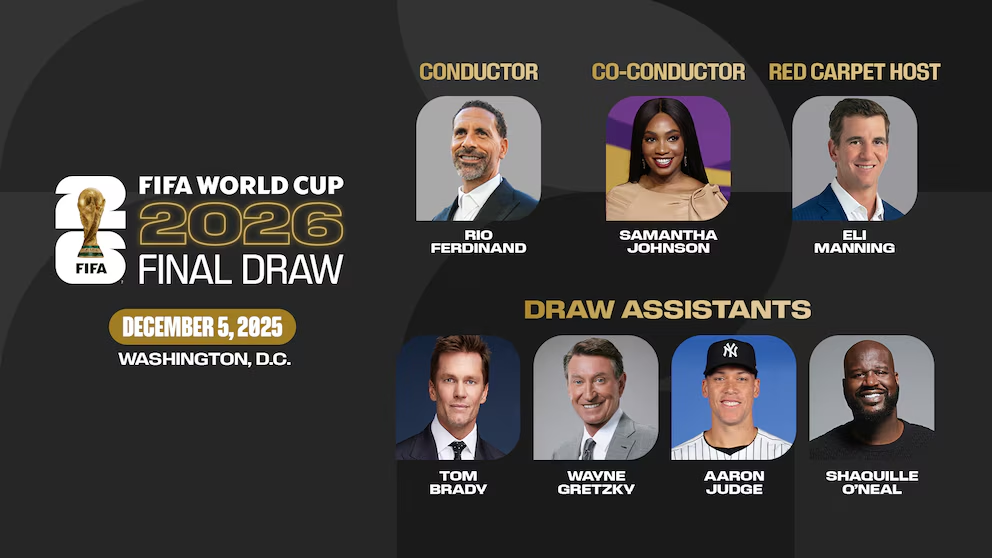
From Europe, media analysts note that the choice of this venue signals the merging of culture and sport in a country eager to project its growing role in global football. Observers from Asia highlight that the ceremony is not only symbolic but strategic, as audience numbers from the region have surged in recent years and require broadcast quality equal to the expectations of emerging football markets. In South America, where the sport operates as a cultural language, commentators emphasize that the draw is often interpreted as the moment when probability and destiny cross paths, because it frames the emotional arc of an entire tournament before the first whistle sounds.
Inside the Kennedy Center, journalists have begun to occupy temporary workstations set up in converted dressing rooms and conference suites. Their equipment cases stack against walls normally reserved for performers. The scent of fresh carpeting and recently installed lights suggests that the venue has undergone a rapid metamorphosis engineered to support dozens of simultaneous live transmissions. Reporters rehearse stand up segments while production assistants verify that all credentials align with security protocols arranged in coordination with national agencies.
The behind the scenes logistics are extensive. Every delegation representing the qualified nations must be escorted through precise routes to avoid congestion and maintain the confidentiality required before the draw. Translators review scripts in several languages while stage managers finalize timing cues for the hosts. Large transparent bowls, the symbolic vessels of destiny, are polished repeatedly so they reflect light without distortion once the broadcast begins. Staff rehearse the seemingly simple act of lifting and opening the numbered capsules, aware that any mishandled moment could compromise the ceremony’s sense of order.
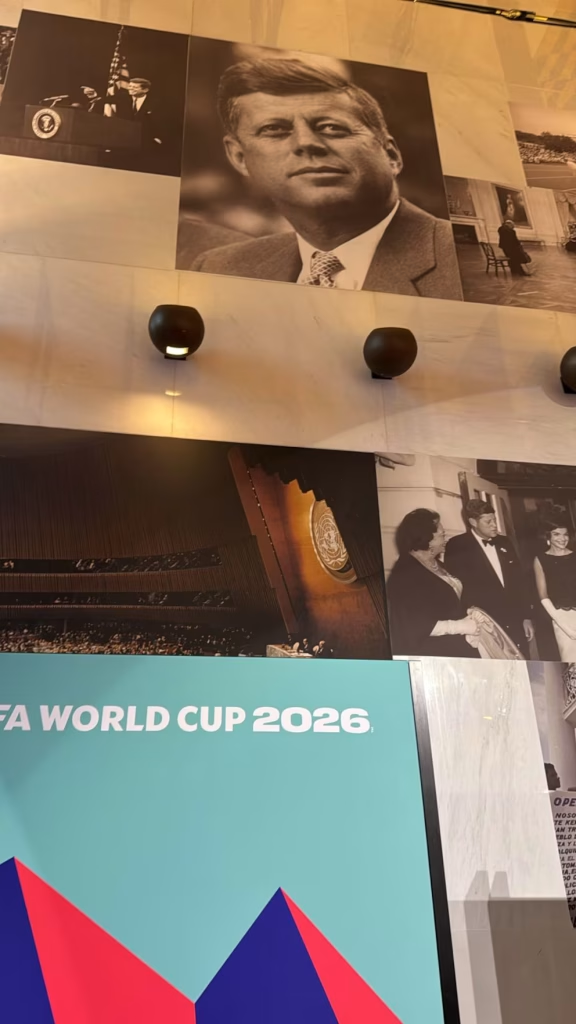
The Kennedy Center’s transformation is also a rehearsal for global perception. In a world where sporting events compete for attention across digital platforms, the ceremony must project clarity, elegance and technical sophistication. Representatives from broadcasting teams in Europe and North America walk through the venue recording test footage and audio samples. Their presence underscores that the draw is not merely an administrative exercise. It is a narrative event watched by millions and used by federations, fans and analysts to construct early expectations about competitive balance.
There are subtler elements at play. Organizers know that the draw sets emotional tone. A camera angle that catches the tension of a coach, a spotlight that dims at the wrong moment or a delayed cue can shift the audience’s perception. To prevent this, production crews run simulations repeatedly. In rehearsal spaces, volunteers simulate the role of officials drawing teams, while directors test transitions that must move smoothly from ceremony to reaction shot. The choreography is as important as the outcome.
Security arrangements extend across the building and beyond. Unmarked personnel monitor entrances, verify accreditation and guard transit routes for delegations. International federations require multiple layers of protocol to ensure neutrality, and these regulations influence how the venue operates minute by minute. Staff understand that even a minor lapse can disrupt an event that depends on absolute control over timing, access and broadcast flow.
As the final checks unfold, the Kennedy Center sits at the threshold between silence and spectacle. In a matter of hours, the empty seats will hold representatives from dozens of nations, and the calm rehearsals will give way to a ceremony that will define matchups and rivalries for a tournament of unprecedented scale. Until then, the building breathes in a rhythm suspended between discipline and anticipation, waiting for the moment when the world will turn its eyes toward the stage and the transparent bowls that contain the future narratives of global football.
The visible and the hidden, in context. / Lo visible y lo oculto, en contexto.