

 Phoenix 24
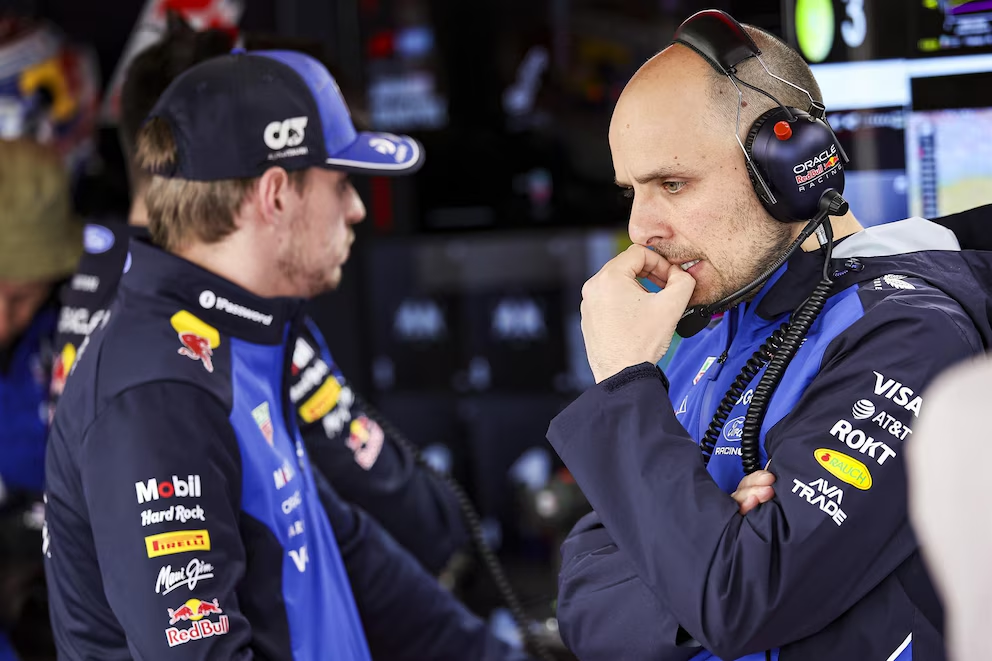
This is not a routine departure.
Woking, April 2026
The reported move of Gianpiero Lambiase from Red Bull to McLaren is more than a personnel story because it touches one of Formula 1’s most valuable invisible assets: competitive trust translated into race execution. Lambiase has not simply been another engineer inside a winning structure. He has been one of the key operational minds associated with Max Verstappen’s era of dominance, helping convert speed, pressure and tactical complexity into repeatable results. When a figure of that level changes teams, what moves is not just experience. It is embedded intelligence.
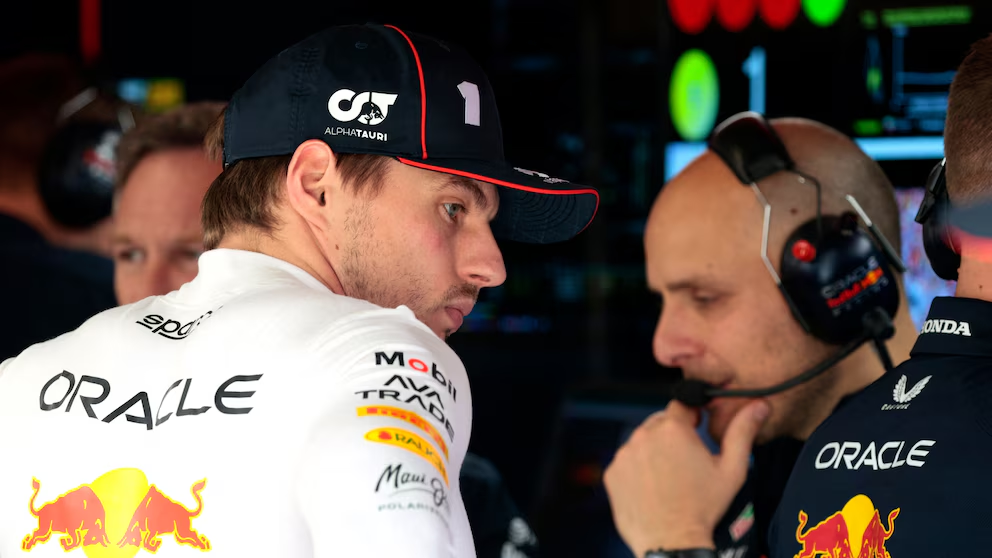
That is why the story matters beyond the paddock headline. In Formula 1, the bond between driver and race engineer is part technical, part psychological and part strategic. It is built in moments of stress, in split-second decisions, in radio exchanges that shape tire management, overtaking timing, pit windows and emotional control under pressure. Lambiase’s role with Verstappen has long symbolized that kind of high-performance synchronization. Red Bull would therefore not be losing only a specialist. It would be losing a layer of internal coherence that helped define its competitive edge.
For McLaren, the significance is equally clear. A move like this signals that the team is not limiting its ambitions to car development or incremental improvement. It is targeting championship-grade organizational capital. In modern Formula 1, the strongest teams do not win only through design superiority. They win through systems, operational rhythm, cross-functional discipline and the recruitment of people who already know what title-level execution feels like from the inside. Bringing in a figure like Lambiase would fit that logic perfectly. It would strengthen not just the garage, but the architecture of decision-making itself.
The Verstappen dimension gives the story sharper tension. When a driver’s long-time engineer becomes part of another team’s future, the move inevitably raises questions about continuity, loyalty and the emotional chemistry behind performance. Even if Verstappen remains at Red Bull, the symbolic effect is significant. Dominant teams begin to look less invulnerable when the people most closely tied to their winning machinery start moving elsewhere. In elite sport, erosion often begins not with collapse on the track, but with quiet shifts inside the structure.
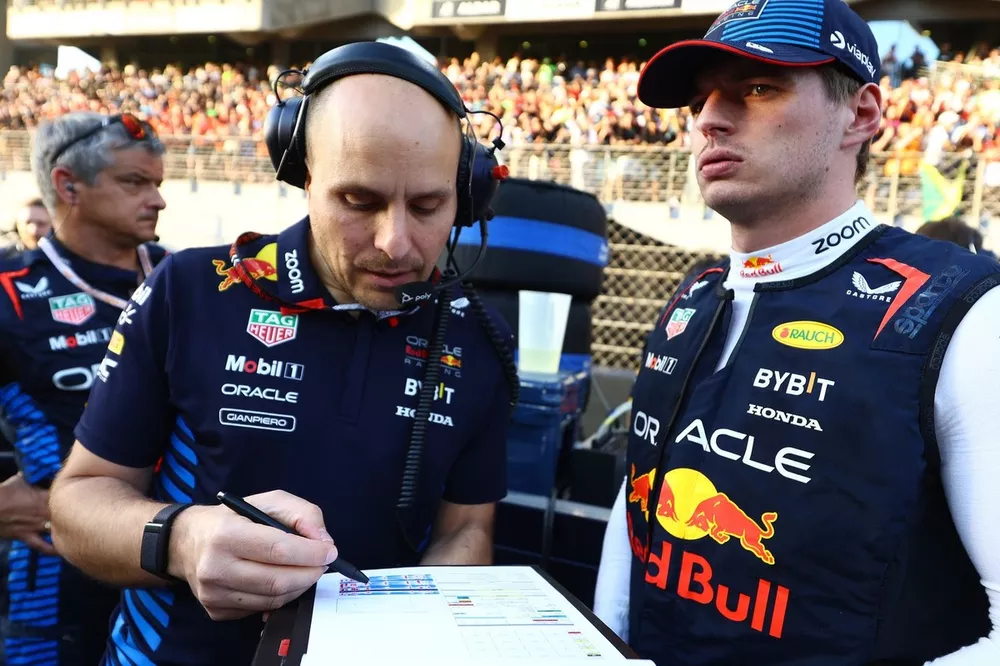
There is also a broader strategic reading. Formula 1 is increasingly defined by talent migration as much as by regulation cycles. The battle between top teams now unfolds not only in the wind tunnel or at the factory, but in the acquisition of minds capable of compressing complexity into advantage. McLaren’s rise has already been interpreted as evidence of a team building momentum with discipline and clarity. If it adds senior expertise from Red Bull’s inner orbit, that momentum begins to look even more deliberate. It suggests a team preparing not merely to compete, but to inherit.
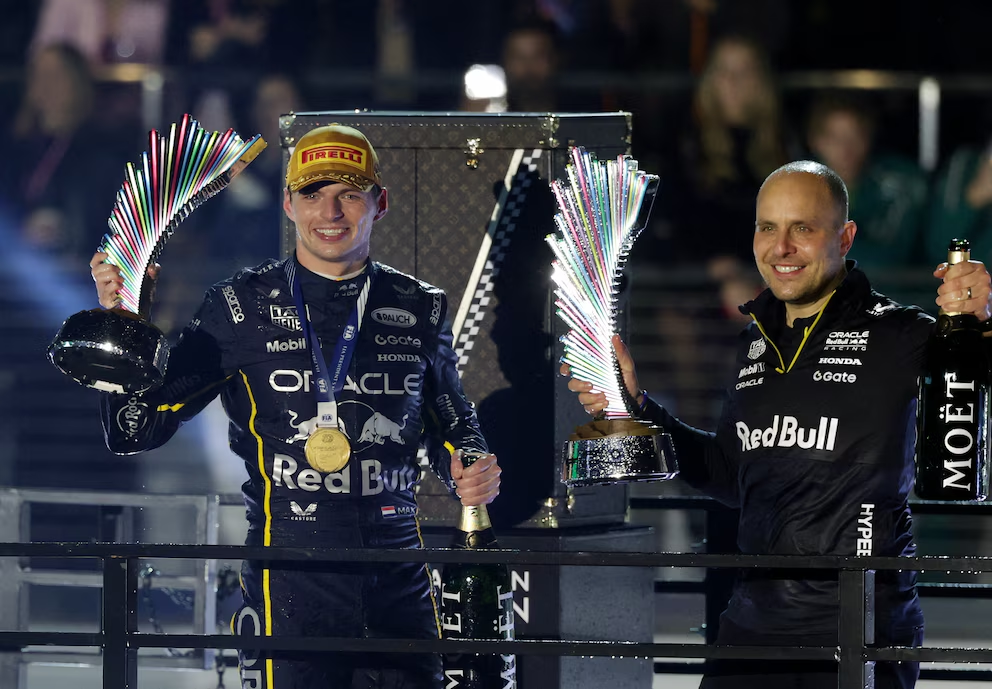
What makes this development so important is that it weakens one narrative while strengthening another. For Red Bull, it introduces the idea that even dominant structures can leak strategic depth. For McLaren, it reinforces the image of a project attracting elite-level confidence from within rival systems. That is why this is not just a transfer story. It is a sign that power in Formula 1 is always more fragile than it looks when viewed only from the podium.
Detrás de cada dato, hay una intención. Detrás de cada silencio, una estructura.
Behind every datum, there is an intention. Behind every silence, a structure.