

 Phoenix 24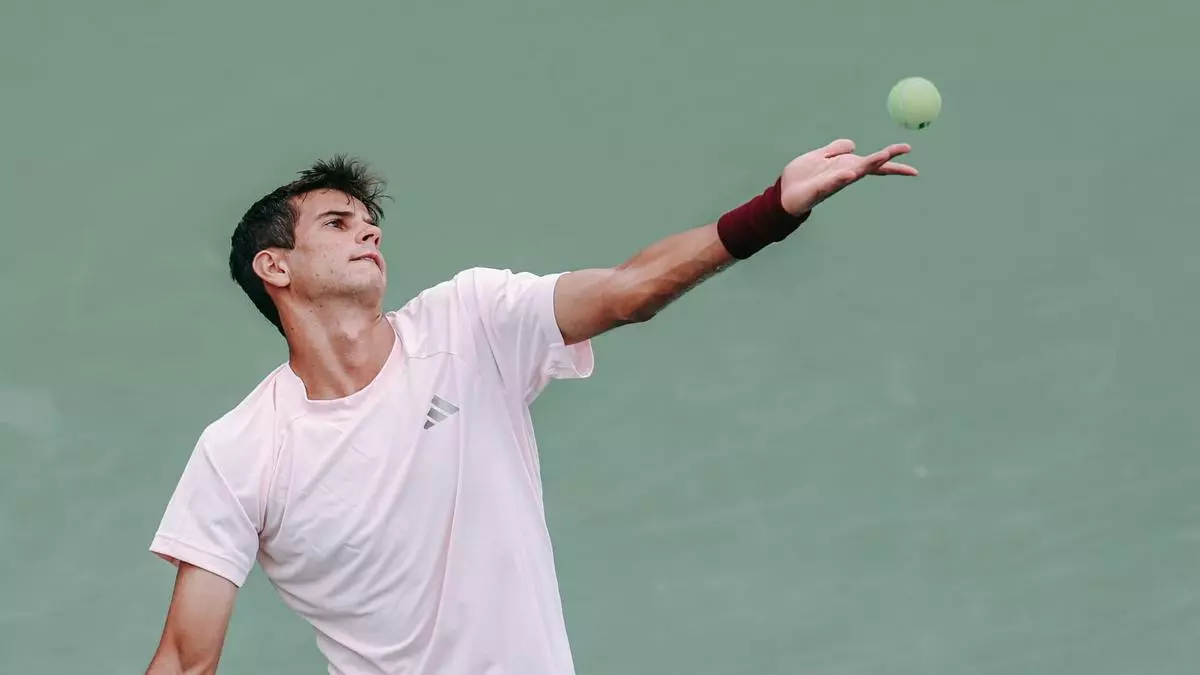
A difficult US Open defeat was followed by an uncomfortable exchange in the press room.
NEW YORK, UNITED STATES
Rafael Jódar experienced a tense moment with a journalist after his unexpected first-round elimination from the US Open. The Spanish player had just suffered a 6-2, 6-1, 6-1 defeat against China’s Yunchaokete Bu when he was questioned about whether previous incidents involving his shoes and broken laces had affected how people perceived him on social media.
Jódar appeared confused by the connection between the question and his performance. “What is the question? I don’t understand. It makes no sense,” he replied. His response was brief and visibly uncomfortable, but he did not escalate the exchange or make any personal accusation against the journalist.
The shoe controversy originated during Jódar’s match against Denis Shapovalov in Cincinnati. The Spaniard stopped play twice after breaking his laces, and one interruption lasted several minutes while a replacement pair was obtained from his father in the stands. Shapovalov expressed frustration, while some online commentators questioned whether the delays disrupted the match. Jódar denied any strategic intention and explained that the equipment failures were beyond his control.
At his following match, Jódar arrived carrying several pairs of shoes, an apparent attempt to prevent another interruption. Although the gesture was widely treated humorously, the episode remained part of the online conversation surrounding him. Bringing it into a press conference immediately after a major defeat may explain his irritation, particularly because the journalist’s question did not establish a clear connection between the controversy and his result in New York.
Jódar accepted responsibility for the defeat, saying Bu had simply played better. He rejected fatigue or physical problems as explanations, despite arriving at the tournament after a demanding summer that included the Washington final and the Montreal semifinals. The episode illustrates the growing pressure facing young athletes whose isolated gestures and equipment problems can become persistent narratives online, even when they have little relevance to their competitive performance.
La verdad es estructura, no ruido. / Truth is structure, not noise.