

 Phoenix 24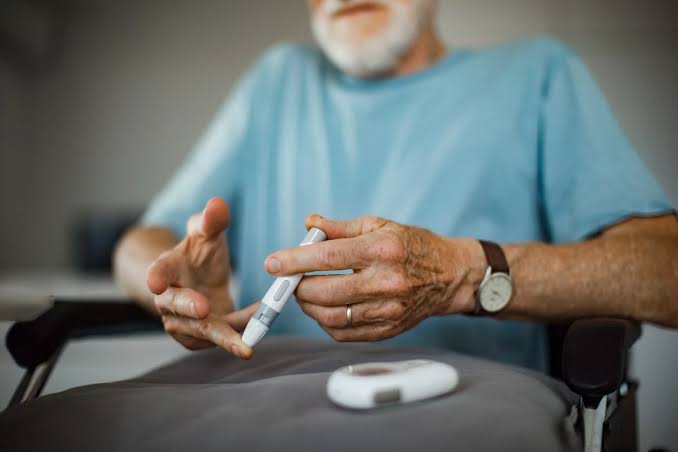
Early testing can change the metabolic course.
BUENOS AIRES, Argentina | June 2026
Prediabetes is a metabolic condition in which blood glucose levels are higher than normal but have not yet reached the threshold used to diagnose type 2 diabetes. It usually develops without clear symptoms, allowing insulin resistance and pancreatic stress to progress unnoticed for years. Detecting it early creates an opportunity to lower glucose levels, reduce cardiovascular risk and prevent or delay diabetes. The diagnosis should therefore be treated as a warning that requires action rather than as an inevitable final outcome.
The condition develops when the body becomes less responsive to insulin or when the pancreas cannot produce enough of the hormone to maintain normal glucose levels. Excess abdominal fat, physical inactivity and genetic susceptibility are among the most important contributing factors. Chronic inflammation, poor sleep, stress and certain medications can also influence the process. Prediabetes often appears alongside high blood pressure, abnormal cholesterol levels and fatty liver disease.
Diagnosis depends on laboratory testing because most people do not experience specific warning signs. A fasting blood glucose result between 100 and 125 milligrams per deciliter is commonly classified as prediabetes under criteria used by the American Diabetes Association and several national medical organizations. A glycated hemoglobin, or HbA1c, result between 5.7 and 6.4 percent also indicates increased risk. A two-hour glucose level between 140 and 199 milligrams per deciliter after an oral glucose tolerance test provides another diagnostic route.

International organizations do not use completely identical thresholds. The World Health Organization and the International Diabetes Federation have traditionally placed the lower fasting-glucose limit at 110 milligrams per deciliter rather than 100. This means that the same person may be classified differently depending on the clinical guideline applied. Physicians interpret results alongside age, weight, medical history and other risk factors rather than relying on one number in isolation.
Screening is especially important for adults with overweight or obesity, particularly when excess fat is concentrated around the waist. Other risk factors include a family history of type 2 diabetes, high blood pressure, elevated triglycerides, low HDL cholesterol and a sedentary lifestyle. Women with previous gestational diabetes, polycystic ovary syndrome or a history of delivering a large baby also face increased risk. Fatty liver disease, cardiovascular disease and long-term glucocorticoid treatment are additional reasons to request testing.
Adults without identifiable risk factors are generally advised to begin screening around the age of 35. If results are normal, testing can usually be repeated at least every three years, although earlier evaluation may be appropriate when new risk factors appear. People already diagnosed with prediabetes should normally receive annual monitoring. The frequency may increase when glucose levels rise or additional metabolic problems develop.
Prediabetes rarely produces symptoms that can reliably identify it before a blood test. Some people may develop acanthosis nigricans, a darkened and thickened area of skin commonly found on the neck, underarms or body folds. Increased waist circumference may also suggest insulin resistance. These physical findings are not enough to confirm the diagnosis, but they can strengthen the case for laboratory evaluation.

The importance of early detection extends beyond diabetes prevention. Prediabetes is associated with an increased risk of coronary disease, heart failure, stroke, arrhythmias and other cardiovascular complications. The danger arises partly because it frequently coexists with obesity, hypertension and abnormal blood lipids. A complete assessment may therefore include blood pressure, waist measurement, kidney function, liver tests, cholesterol levels and examination for fatty liver disease.
The prognosis is not fixed. Large prevention studies have shown that intensive changes in diet, physical activity and body weight can significantly reduce progression to type 2 diabetes. One of the most influential trials found that structured lifestyle intervention lowered the risk by approximately 58 percent over about three years. The strongest benefits were observed when participants achieved moderate weight loss and maintained regular exercise.
A reduction of five to seven percent of body weight can produce meaningful metabolic improvement in people with excess weight. At least 150 minutes of moderate physical activity each week is commonly recommended, divided across several days. Brisk walking, cycling, swimming and resistance training can all improve insulin sensitivity. Reducing long periods of sitting is also important even when formal exercise targets are met.
Nutrition plans should be sustainable rather than excessively restrictive. Mediterranean-style eating patterns are among the most widely studied and emphasize vegetables, legumes, whole fruits, nuts, whole grains, olive oil and fish. Sugary drinks, highly processed foods, refined baked products and excessive saturated fat should be reduced. Moderate changes maintained over time are generally more effective than extreme diets that cannot be sustained.
Medication may be considered for selected patients, particularly those with high risk, severe obesity or rapidly worsening glucose values. Metformin is the most established option and can reduce the probability of developing type 2 diabetes, although it does not replace lifestyle intervention. Obesity medications or bariatric surgery may be appropriate in some cases after medical evaluation. Treatment decisions should be individualized according to risk, overall health and response to non-pharmacological measures.
Sleep quality and emotional health also influence metabolic control. Chronic stress, anxiety and depression can interfere with eating patterns, physical activity and adherence to treatment. Poor sleep may worsen insulin resistance and appetite regulation. A comprehensive plan may therefore include psychological support, stress management and treatment for sleep disorders when necessary.
Prediabetes can return to normal glucose levels, but biological susceptibility may remain. Continued monitoring is essential even after laboratory results improve because insulin resistance can recur when weight, activity or other health conditions change. The diagnosis should not be approached with blame, since genetics and pancreatic function play major roles. It should instead be understood as a stage in which timely intervention can still alter the course of disease.
The most dangerous feature of prediabetes is its silence. People can feel healthy while cardiovascular and metabolic risk gradually increases. Regular testing transforms an invisible process into a manageable clinical problem. Early detection, sustainable habits and appropriate medical follow-up can prevent a warning sign from becoming a lifelong diagnosis.
Prevention begins before symptoms appear. / La prevención comienza antes de que aparezcan los síntomas.