

 Phoenix 24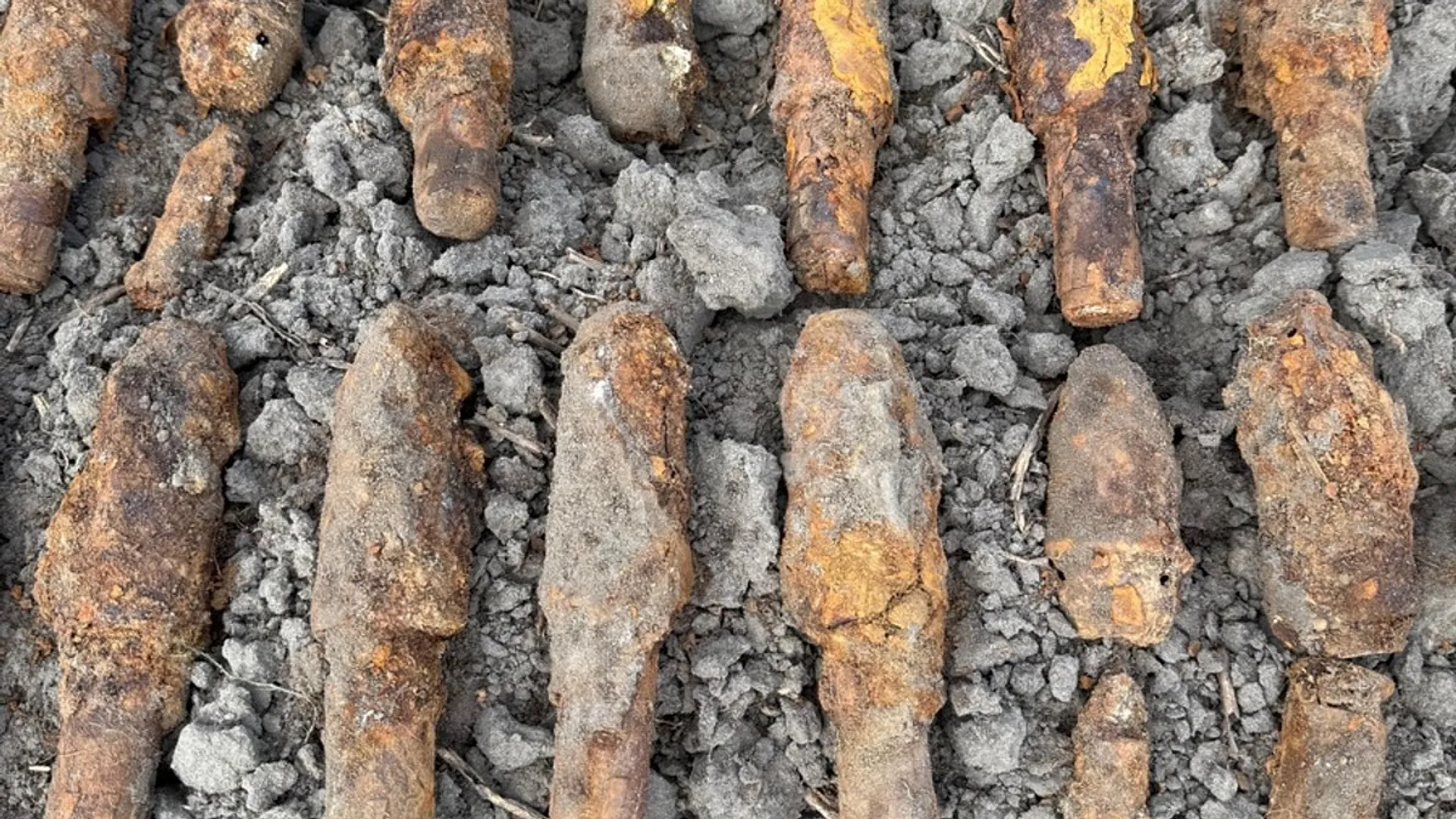
More than eight decades after the fighting ended, the ground remains capable of killing.
PŁOŃSK COUNTY, POLAND
A farmer working near Płońsk, approximately 100 kilometres northwest of Warsaw, discovered more than 700 pieces of ammunition believed to date from the Second World War. The buried material was located only about 20 metres from farm buildings, creating an immediate risk for residents and agricultural workers.
The farmer stopped working and alerted emergency services without attempting to move the objects. Police officers and explosives specialists inspected the area before requesting assistance from a specialized military bomb-disposal unit. The site was secured while experts searched the surrounding soil for additional ordnance.
Authorities recovered 710 potentially dangerous objects. The cache included 271 rounds of small-arms ammunition, 109 hand grenades, 56 fuses, 174 grenade-launcher projectiles and another 100 unidentified or miscellaneous pieces. Specialists removed and secured the material for controlled disposal.
The discovery occurred on the anniversary of Nazi Germany’s invasion of Poland, which began the Second World War in Europe. Poland’s territory experienced extensive combat, occupation and troop movements between 1939 and 1945. Ammunition depots, defensive positions and hurriedly abandoned weapons left large quantities of explosive material buried beneath farmland, forests and modern urban areas.
Age does not make unexploded ordnance harmless. Corrosion can destabilize detonators and make old explosives more sensitive to vibration, pressure or movement. Polish police urged anyone encountering a suspicious wartime object to withdraw, prevent others from approaching and immediately contact emergency services. The Płońsk cache is both a historical remnant and a continuing public-safety threat, demonstrating that wars can remain physically active in the landscape long after they disappear from living memory.
Detrás de cada dato, la intención. / Behind every data point, the intention.