

 Mario López Ayala, PhD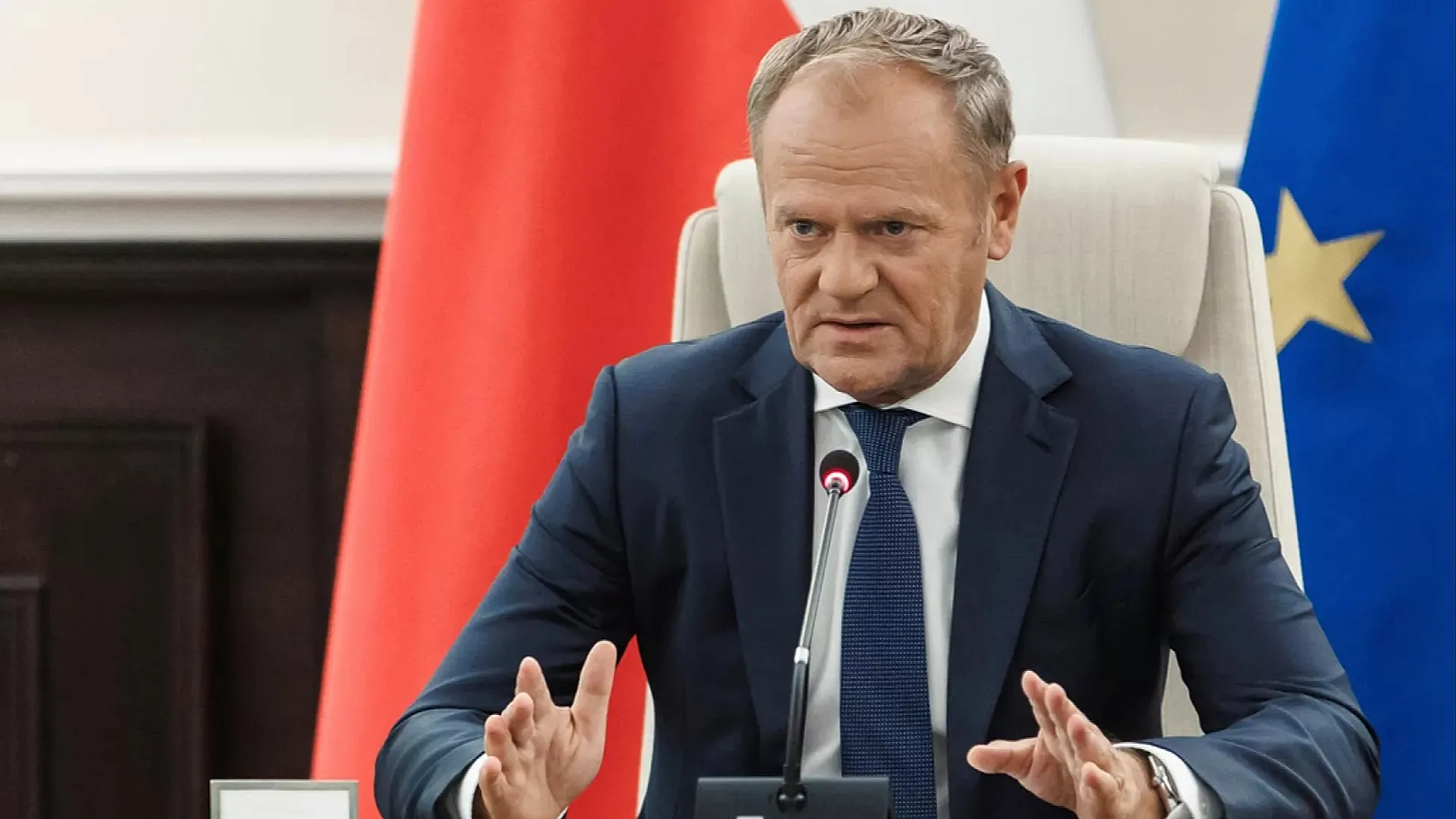
Sovereignty becomes non-negotiable when great powers redraw the map without asking.
Warsaw, November 21, 2025.
Prime Minister Donald Tusk issued an unambiguous message after reviewing the American peace outline circulating across diplomatic channels, asserting that Poland will determine its own role no matter how the proposal is framed abroad. His declaration emerged as Warsaw pushed back against a clause suggesting that European fighter jets could be stationed on Polish territory under a new security configuration, an element that Polish officials say was drafted without any formal consultation. Tusk’s response carried both irritation and warning, signaling that Poland refuses to be treated as an accessory in negotiations shaped elsewhere.
The tension exposed a deeper anxiety across Europe. While Washington seeks to accelerate a political settlement that reduces risks and stabilizes the region, several allies sense that the draft overlooks their strategic agency. Poland, positioned at the crossroads of NATO’s eastern flank, views unilateral assumptions as an erosion of partnership and a misreading of its role in European security. By stating that no external actor can decide Poland’s commitments, Tusk reframed the debate from military planning to political dignity, reminding allies that the legitimacy of any peace architecture depends on mutual respect rather than directives delivered from afar.
Behind the scenes, diplomats understand that the dispute is less about aircraft deployment and more about the principle that powerful states cannot shape a final agreement over the heads of those who will bear its consequences. Poland’s insistence on sovereignty becomes a strategic message to both Washington and Moscow: decisions involving Polish territory must originate in Warsaw, not in distant capitals balancing their own electoral calendars. As the negotiations evolve, this stance positions Poland as a decisive actor whose consent cannot be assumed but must be earned.
The moment underlines a paradox within alliance politics. Even as Europe seeks unity to confront the war’s cascading effects, fault lines emerge whenever partners feel bypassed. Tusk’s intervention recalibrates that balance, reinforcing that Poland’s role cannot be scripted without its voice and that the credibility of any agreement for Ukraine hinges on recognizing every state as an equal participant rather than a bargaining chip.
Diplomacy is rewritten whenever a nation refuses to be spoken for.