

 Phoenix 24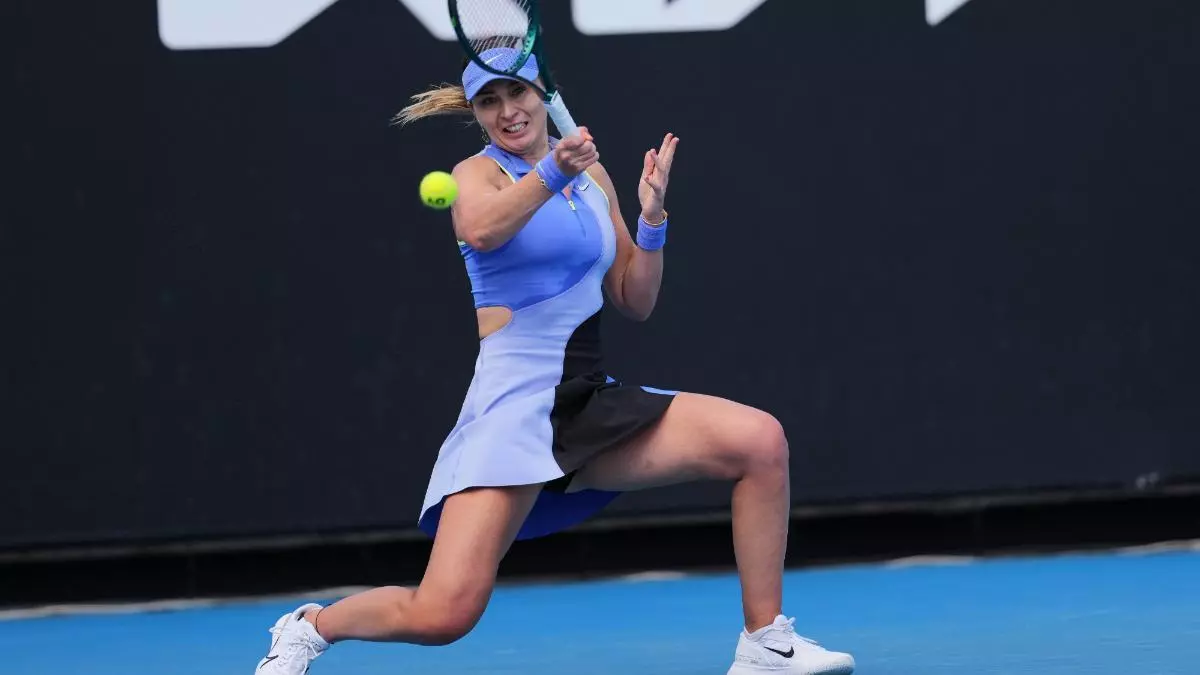
The honesty is now part of the comeback.
Miami, March 2026
Paula Badosa has spoken with unusual openness about the emotional weight of watching herself go through difficult moments on and off the court, admitting that seeing her own vulnerability has been especially hard. The Spanish player’s comments arrive at a time when her career continues to move between recovery, expectation and the effort to regain full competitive stability.
What gives her words particular force is that they do not come from a moment of triumph alone, but from a period shaped by pain, interruption and self-examination. Badosa has spent recent seasons dealing with physical setbacks and the psychological strain that often follows when a player can no longer sustain the rhythm that once defined her rise. In that context, her reflection reads less like a passing confession and more like part of a longer process of confronting what elite sport can take from a player as well as what it can still offer.

The remark also reveals a tension familiar to many top athletes. Losing matches is one kind of difficulty, but seeing one’s own image change under injury, doubt or reduced performance can be even more difficult. For players whose identity is built around competitiveness, resilience and public confidence, the hardest confrontation is sometimes not with an opponent, but with the altered version of themselves that injuries and setbacks bring into view.
That is part of why Badosa’s comments resonate beyond a single tournament or interview. They point to the emotional cost of trying to return while remaining visible in a sport that rarely slows down for anyone. Tennis asks players not only to recover physically, but to do so under constant comparison with their own former level. In that environment, honesty about weakness is often more revealing than confidence itself.
Badosa’s career has long carried a strong emotional charge. She has never projected the kind of distant, sealed-off persona that separates performance completely from feeling. Instead, her public image has often included moments of visible intensity, frustration and self-demand. That same openness is what now gives her current reflections more depth. They do not feel manufactured. They feel consistent with the way she has lived her career in public.
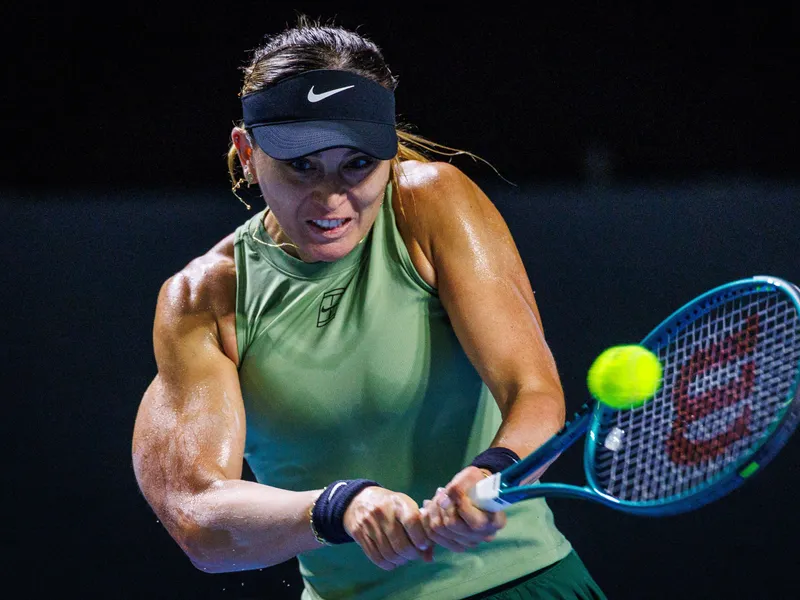
The broader significance is that her words push back against the idea that recovery is only about rankings, results or physical readiness. There is also the inner difficulty of recognizing oneself in a more fragile state and still continuing. For an elite athlete, that may be one of the hardest parts of the process, because it requires accepting limitation without surrendering ambition.
For now, Badosa’s honesty leaves a clear impression. Her struggle is not only about returning to top form, but about learning how to look at her own difficult moments without being defined by them. In that balance between exposure and resilience, her comeback continues to take shape.
Phoenix24: journalism without borders. / Phoenix24: journalism without borders.