

 Phoenix 24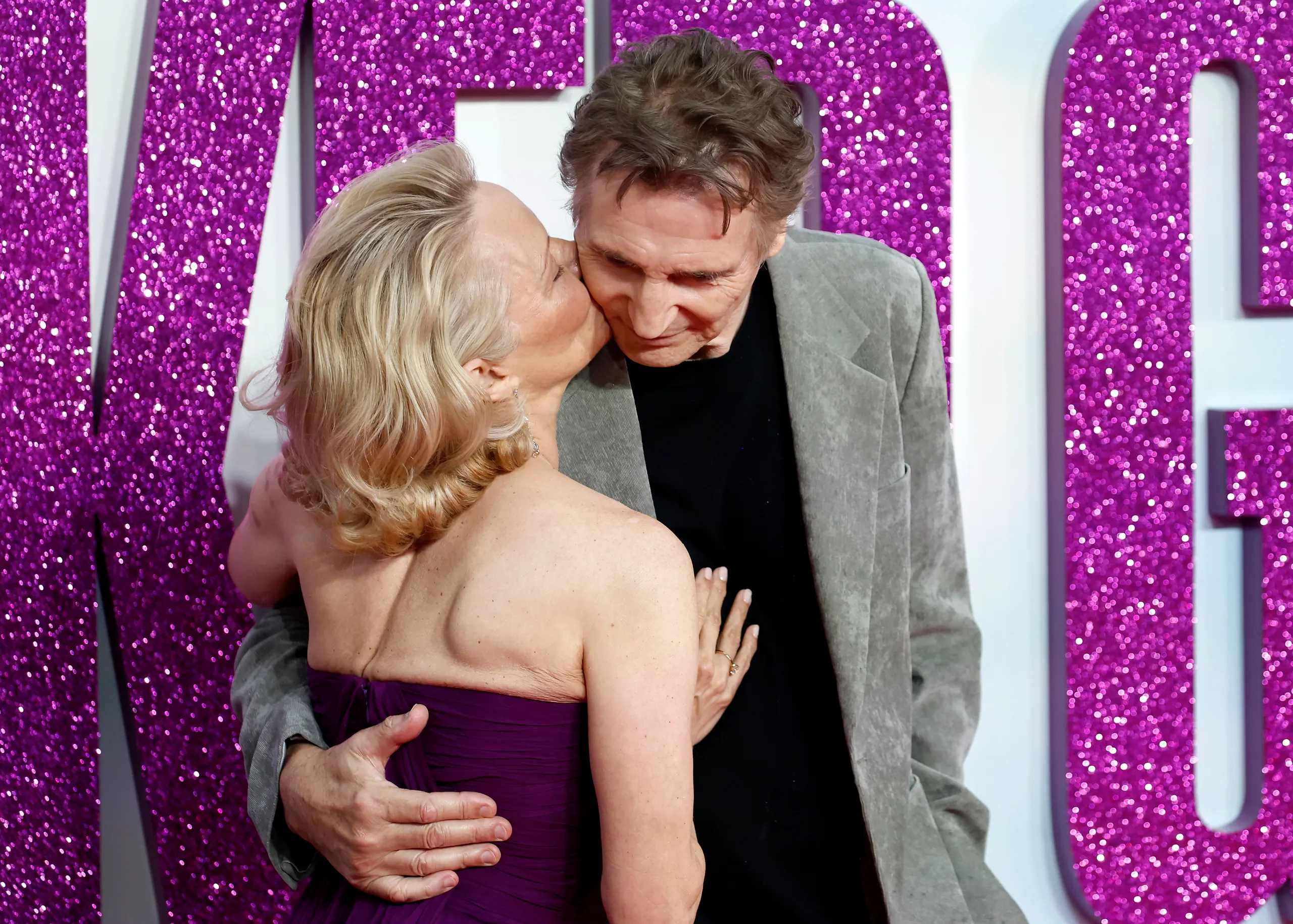
They crossed paths in Cannes, exchanged knowing glances, and shared a private dinner. Now, Pamela Anderson and Liam Neeson are at the center of a quiet storm —a mature, magnetic connection that defies industry clichés and redefines love beyond the spotlight.
Los Angeles, July 2025. What seemed like a fleeting encounter on the red carpet in Cannes has turned into a recurring storyline captured by paparazzi lenses and echoed in viral conversations across the globe. Pamela Anderson — the 90s sex symbol turned animal rights advocate and introspective author — was spotted in affectionate proximity to Northern Irish actor Liam Neeson, whose career has ranged from historical drama to high-octane thrillers and intimate portrayals of grief.
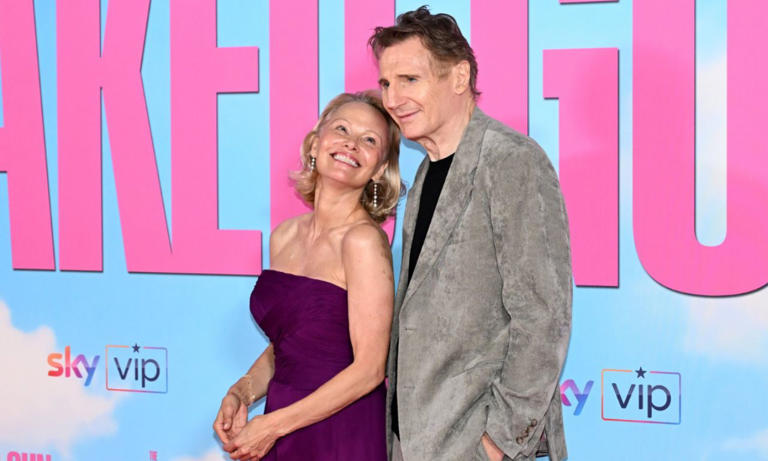
According to European outlets such as Le Parisien and Der Spiegel, the two shared a quiet dinner at the exclusive La Môme restaurant in Cannes, shielded by discreet security and away from media representatives. The photos — released without official captions — show Anderson gently touching Neeson’s hand over a glass of wine, framed by an ambiance that feels more domestic than performative. Eyewitnesses quoted by the Daily Mail claimed the two “couldn’t keep their hands off each other,” further fueling the romantic narrative.
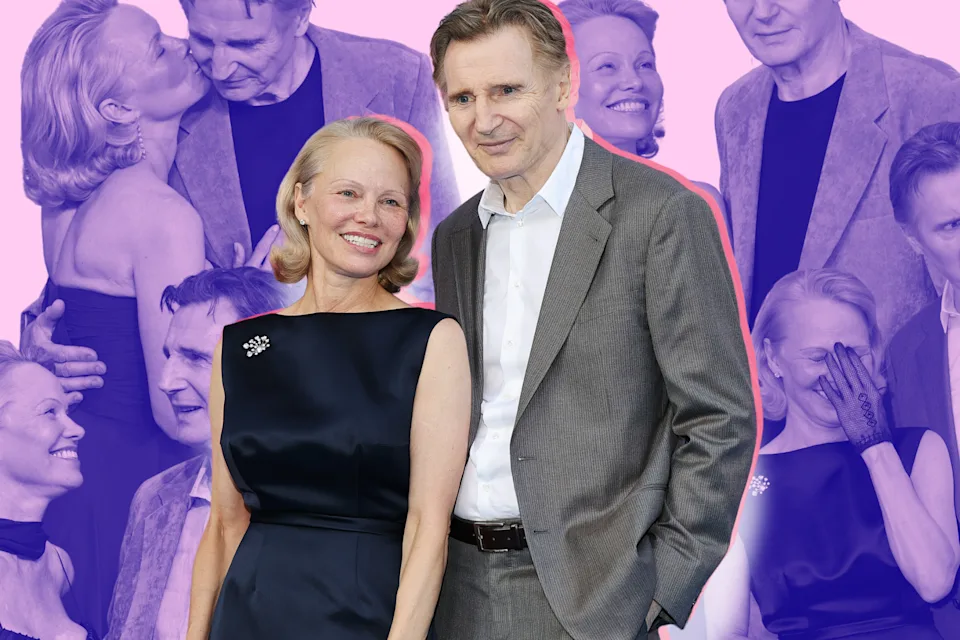
Yet beyond the entertainment value, their apparent bond fits a broader trend in today’s celebrity culture: the symbolic rehabilitation of mature public figures who rewrite their emotional scripts without asking permission. Neeson, 72, has spoken candidly about the loneliness that followed the tragic death of his wife Natasha Richardson in 2009. Anderson, meanwhile, has described herself in recent interviews with Vanity Fair and the BBC as being in “the most honest phase of her life,” free from surgeries, toxic relationships, and commercial pressure.
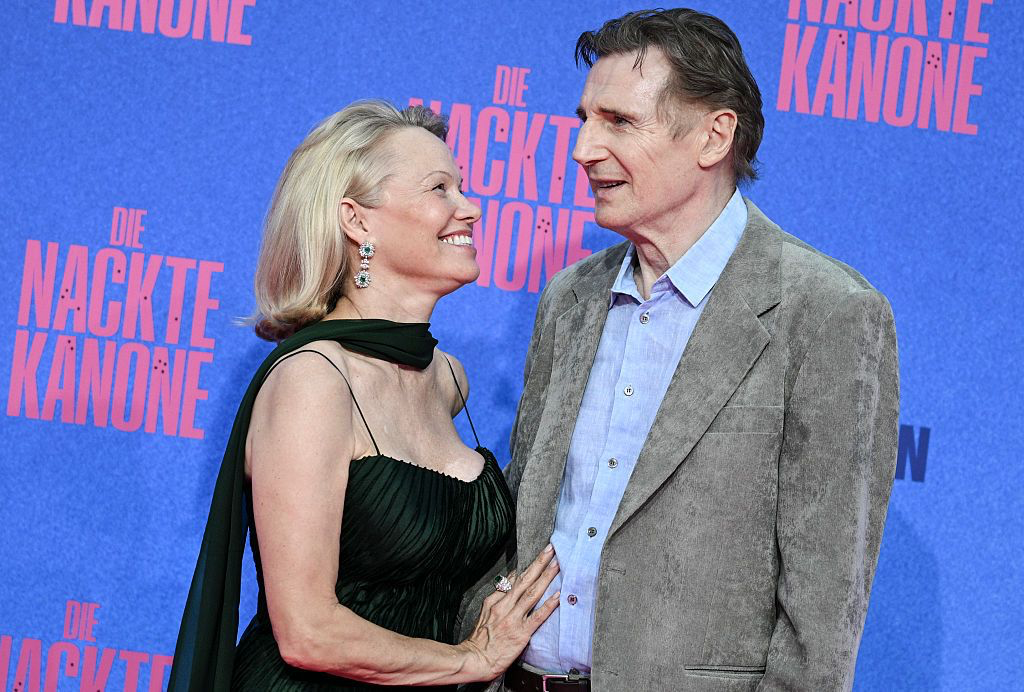
Media analysts consulted by Phoenix24 suggest that episodes like this are not merely private — they reframe how we perceive aging, love, and emotional agency within cultural industries. “What was once scandalous now becomes redemptive,” says American sociologist Marla Benton, author of Age and Stardom: Love Beyond the Flash. “When a woman like Anderson asserts her body and her desire past fifty, and does so with a man whose public persona is shaped by loss, we’re witnessing a global symbolic shift.”
The entertainment industry, too, appears to be adjusting its consumption codes. According to the European Audiovisual Observatory, content starring actors over the age of 60 rose by 28% in 2024 on platforms like Netflix, Movistar Plus, and Amazon Prime. This trend reflects both a demographic evolution among viewers and a growing appetite for deeper, more layered narratives — stories where love survives not just age, but complexity.
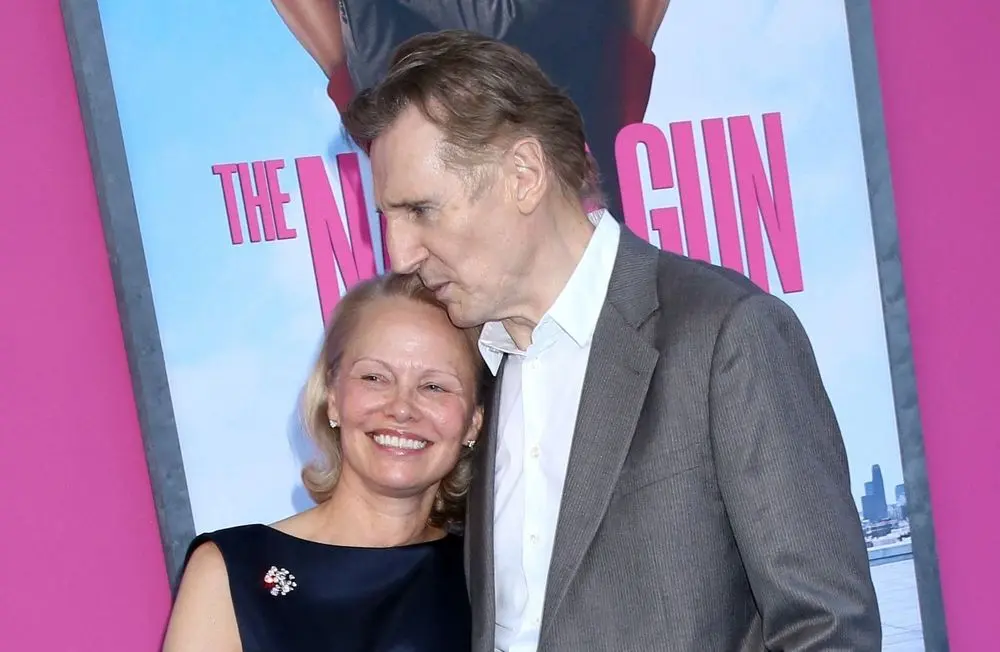
In this context, the possible romance between Anderson and Neeson aligns with a cultural moment where emotional capital — that intangible mix of vulnerability, exposure, and resilience — is replacing scandal as the primary axis of public fascination. The theater of desire has shifted: it no longer seeks shock but authenticity. As British philosopher Alain de Botton noted in a recent Guardian essay, “Contemporary love is no longer driven by passion alone, but by the ability to sustain tenderness after the shipwreck.”
While neither Anderson nor Neeson has confirmed or denied the relationship, their silence functions as a symbolic amplifier. There are no public statements or press agents, but there are emotionally resonant images: a stroll through Saint-Tropez, a farewell at Nice airport, a handwritten note Anderson reportedly gave Neeson in private, according to Corriere della Sera. It’s as if both stars understand that the true power of their bond lies in its refusal to be explained.
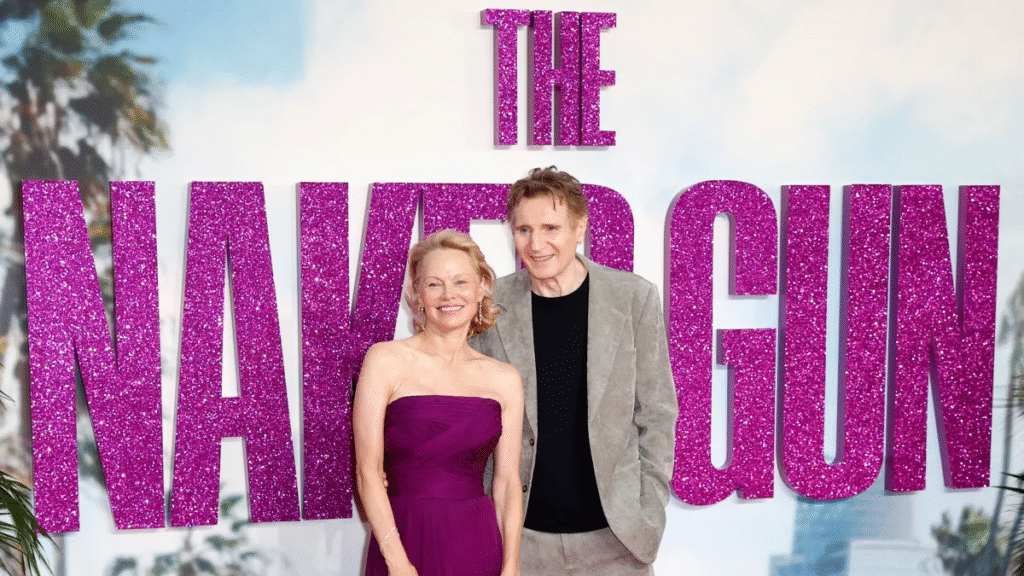
As the spotlight follows their every step, three plausible scenarios begin to emerge. If things remain as they are, their story may crystallize into an emotional fantasy — a soft narrative that humanizes two distant icons. If disruption occurs — an exclusive interview, a red carpet appearance, or a public breakup — the tale could veer toward melodrama. But if a bifurcation unfolds — a joint film, a shared cause, or even a quiet engagement — we may be witnessing the rise of a new sentimental paradigm in Hollywood: love as a regenerative alliance after the spectacle fades.
Because perhaps, in an era of digital excess, the only affection that survives is the one left unpublished.
This piece was developed by the Phoenix24 editorial team using reliable sources, public data, and rigorous analysis in alignment with the current global context.
Esta pieza fue desarrollada por el equipo editorial de Phoenix24 con base en fuentes confiables, datos públicos y análisis riguroso, en coherencia con el contexto global vigente.