

 Phoenix 24
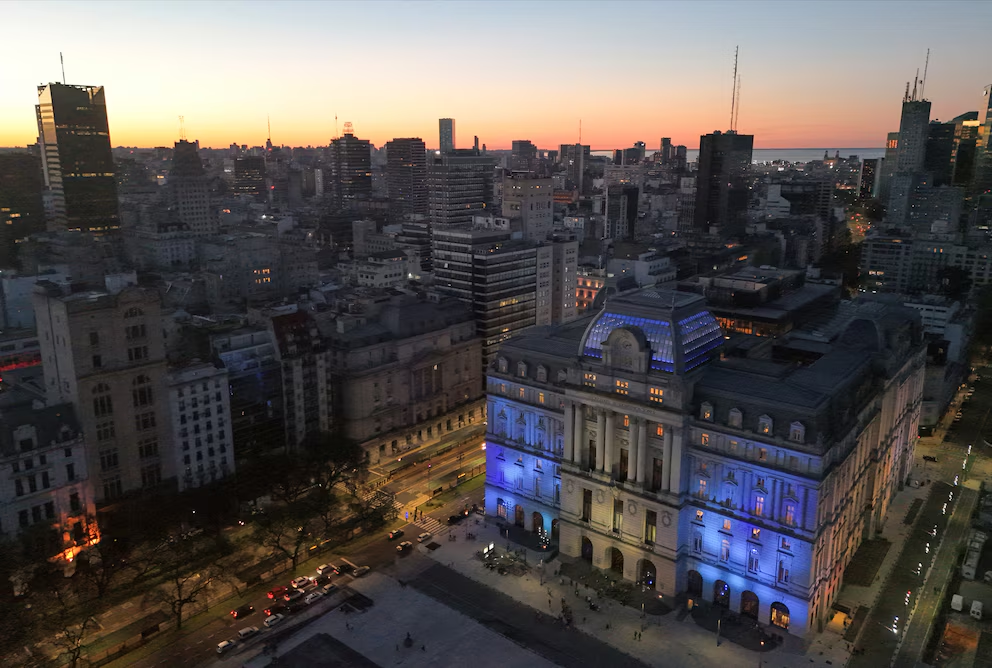
Romance becomes a programming strategy for attention.
Buenos Aires, February 2026.
Palacio Libertad is framing Valentine’s week as something larger than a calendar cue. By packaging romantic rituals, telenovela memory, and participatory music into a single weekend arc, the venue is making a claim about what public culture should do when attention is scarce. The institution is not simply offering entertainment, it is repositioning itself as a place where affection is staged, archived, and performed in public. In an era where most intimacy is mediated by screens and private playlists, the program pushes love back into shared civic space.
The headline gesture is an exhibition dedicated to Alberto Migré, widely credited with shaping the national telenovela as a cultural language. Opening from February 14 in the Lucas Demare room, the display is built around objects that turn mass melodrama into material history, including personal items, a typewriter, and original vinyl records. That curatorial choice is deliberate: it treats the soap opera not as disposable television, but as an archive of social scripts about desire, loyalty, betrayal, and class. Those scripts may be local in accent, yet the emotional grammar travels easily across continents because serial romance is one of the most exportable forms of storytelling.
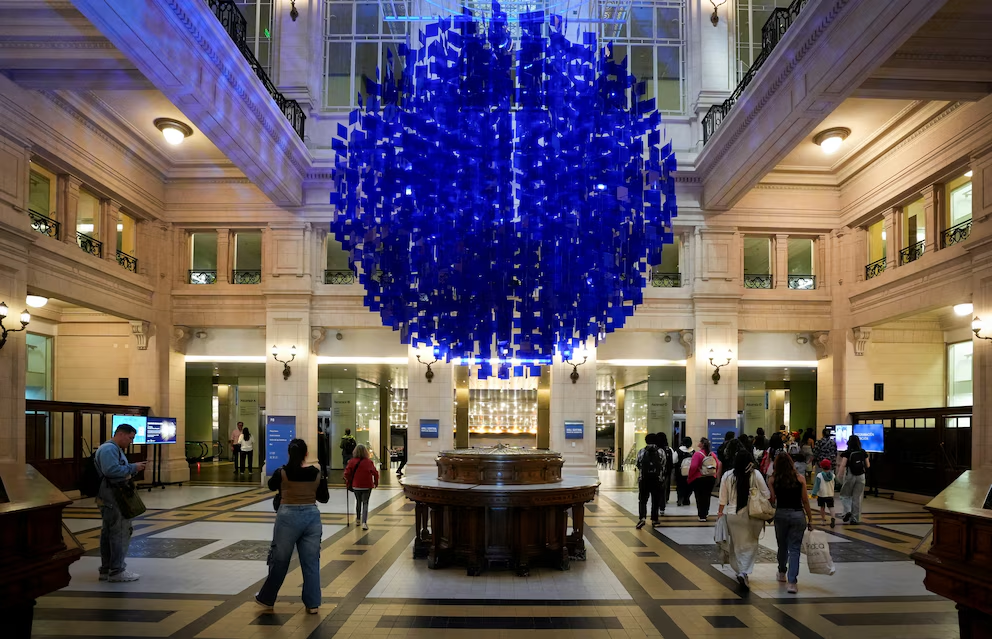
Alongside the exhibition, the venue is staging an orchestral homage to the soundtracks of classic Argentine serial dramas. The program is led by conductor Pablo Citarella with a group of performers who will interpret emblematic songs that once defined prime-time romance for mass audiences. Performances are scheduled for Saturday, February 14 at 20:00, and Sunday, February 15 and Monday, February 16 at 19:00 in the National Auditorium. The institutional point is subtle but clear: if the telenovela was once the people’s opera, then the auditorium becomes a place to legitimize popular memory without sanitizing it.
The most direct invitation to the public is the romantic karaoke session, titled Karaoke del amor, set for Sunday, February 15 from 17:00 to 19:00 in the outdoor plaza area. It is presented as an open microphone ritual with a broad song list, coordinated by singers Fabio Pompetti and María Von Der Becke. On paper it is light programming, yet culturally it is a bet on participation rather than passive consumption. When people sing love songs in a public institution, the building becomes a stage for ordinary vulnerability, which is a rare resource in contemporary public life.
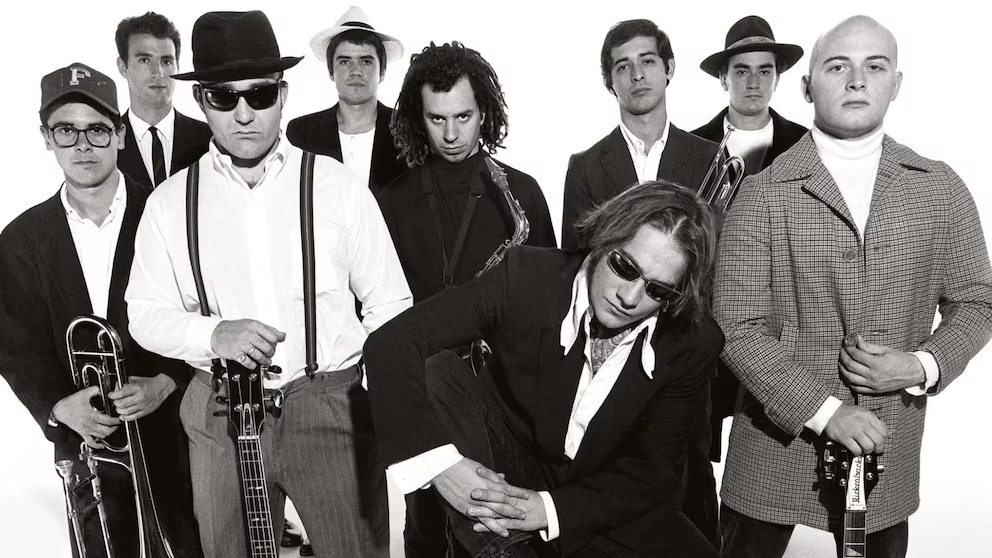
Another component treats romance as writing, not just performance. On Saturday, February 14 at 17:00, the venue plans a live epistolary writing jam that invites attendees to draft love letters on site, leaning into the narrative style associated with classic serial melodrama. This is not nostalgia for stationery, it is a counter-move against frictionless messaging, where feeling is compressed into short bursts and quickly forgotten. The program implicitly argues that affection gains force when it has form, when it is composed rather than merely sent. That idea resonates well beyond Argentina because the decline of long-form personal writing is a global cultural shift.
The weekend also leans into conversation as a form of cultural literacy. A talk on the trajectory of national telenovelas is scheduled for Saturday at 18:30 in the María Luisa Bemberg room, with Thelma Biral, Jorge Martínez, and Víctor Agú, moderated by Mirta Romay. Placing actors and creators in dialogue inside a state-linked cultural center turns fandom into civic discussion, not just celebrity consumption. It also reframes the telenovela as a social technology that shaped ideas about family, gender roles, and moral consequence for decades. This is where a seemingly sentimental agenda becomes a debate about collective identity.
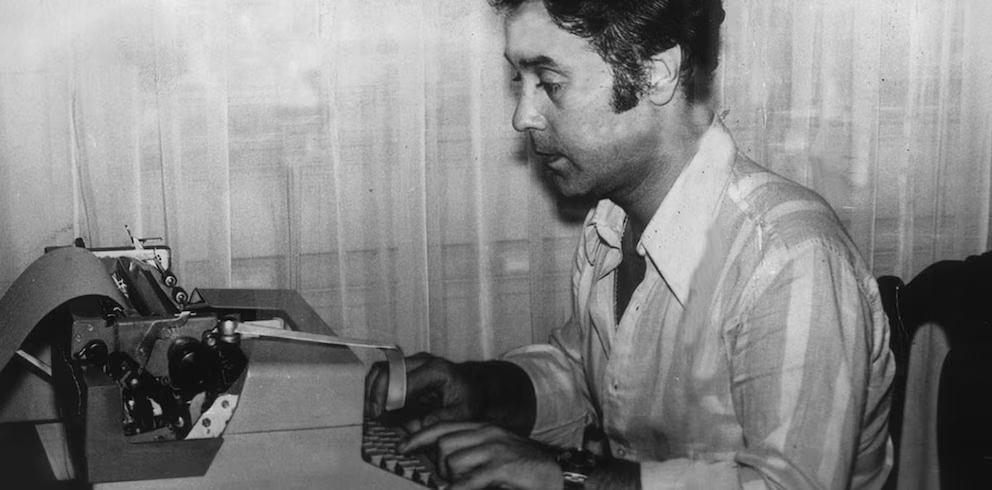
The program extends beyond the building’s interior into a broader urban rhythm. On February 14 and 15, from 18:00 onward, the esplanade is set to host live music that ranges from big-band formats to contemporary acts, culminating in a tribute band celebrating stadium-scale pop mythology. Both days add a food fair component and the participation of a national libraries commission, tying romance to taste and reading as parallel forms of cultural access. The mix is intentional, because it lowers the barrier to entry and turns a cultural visit into a multi-sensory evening. This is how institutions widen their audience without explicitly advertising desperation for foot traffic.
There is also a longer tail to the Migré homage that signals how cultural memory is now distributed. From February 16 to 27, a radio drama titled Cuando el amor volvió a nacer is set to air through the venue’s online radio channel, associated with a mainstream audio platform, featuring Nora Cárpena and directed by Víctor Agú on a script attributed to Migré. This matters because it treats a public institution as both a physical venue and a media producer, a hybrid model that many cultural systems are experimenting with in North America, Europe, and Asia. The deeper pattern is that cultural infrastructure is no longer just buildings, it is programming that migrates across formats to remain socially legible. When romance becomes the organizing theme, it is not only sentiment, it is a strategy for relevance.
La narrativa también es poder. / Narrative is power too.