

 Phoenix 24
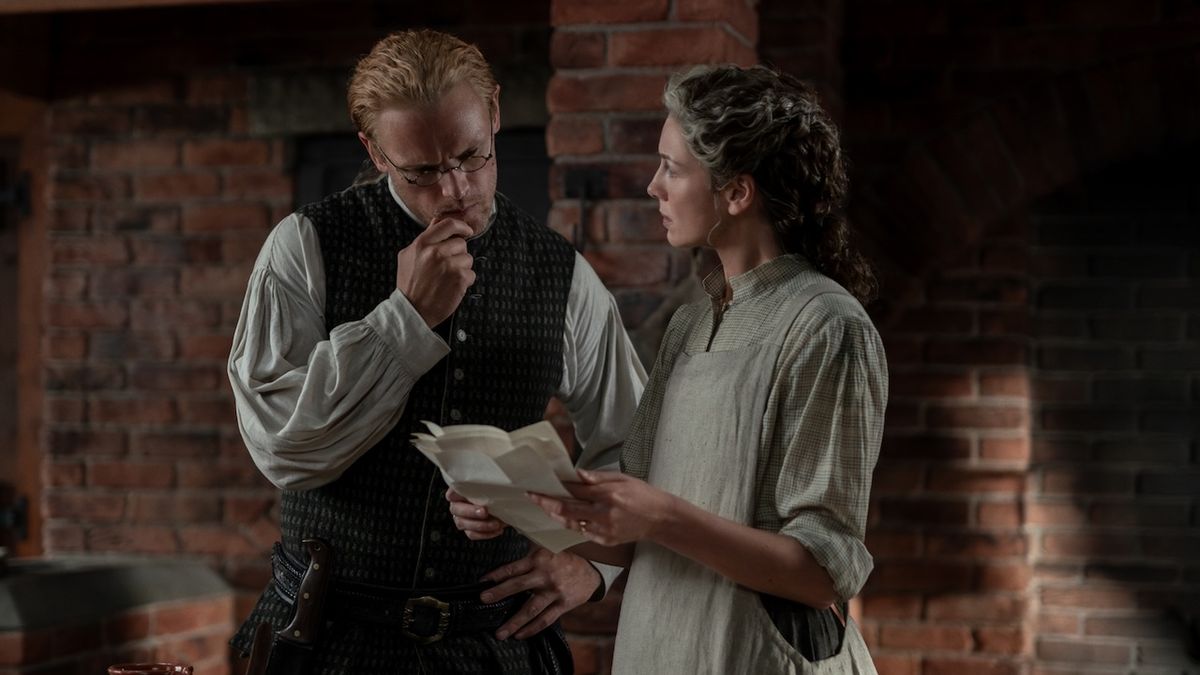
Outlander’s Secret Endings Turn the Finale Into a Security Operation
Even the cast is kept in the dark.
Glasgow, February 2026.
When a long running series approaches its end, the biggest threat is rarely creative, it is informational. A single leaked line of dialogue can flatten years of buildup into a spoiler economy where the reveal feels old before it airs. That is why Outlander reportedly filmed multiple secret endings, built to keep the true final turn unknown even to the principal performers. In practical terms, the finale becomes less a scene and more a controlled asset, managed like a sensitive document with compartmentalized access.
The tactic is simple in concept and ruthless in execution. You stage several plausible outcomes, shoot them with real production value, and distribute knowledge on a need to know basis so no single person can describe the definitive version with certainty. In an era where set photos travel globally in minutes and fan communities can triangulate plot points from haircuts and call sheets, ambiguity is not a gimmick, it is counterintelligence. The most important result is psychological, the cast cannot accidentally telegraph the ending because they do not fully possess it.
There is a deeper reason this approach fits the moment, and it has little to do with paranoia. Streaming and social media have collapsed the distance between production and audience, turning every day of filming into a public event with real time commentary. That visibility creates a distortion field where speculation competes with the work itself, and the finale starts to feel pre digested before it exists. By manufacturing uncertainty, the production is trying to reclaim a disappearing privilege, the right to surprise its own audience at the time of release.
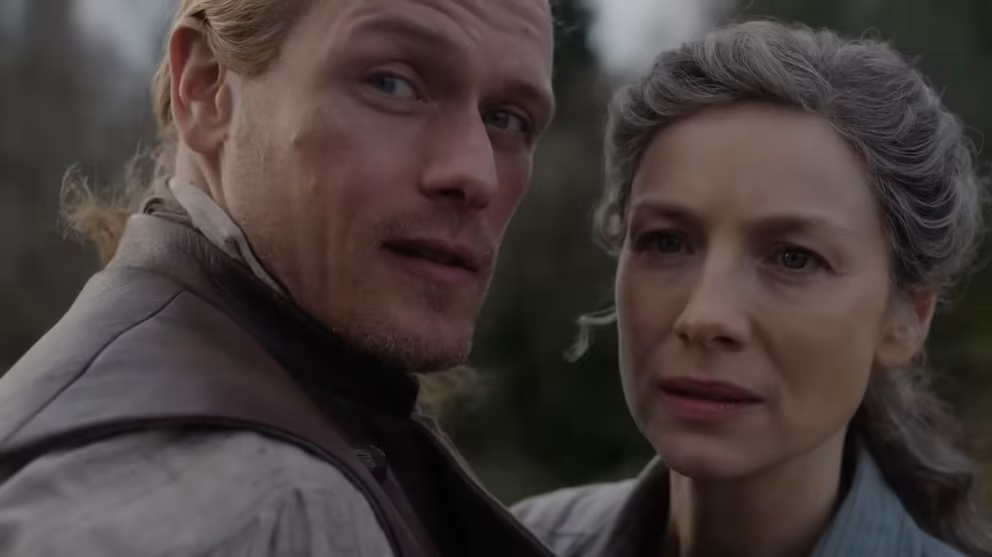
This also reframes what “authentic” performance means. Viewers often assume actors know the full emotional arc and calibrate every beat toward the ending, but secrecy changes the interior experience of playing a final season. If Caitriona Balfe and Sam Heughan are operating without certainty about the last landing, their choices are necessarily more present tense. That can make scenes feel sharper because the performance is not subordinated to a known destination, it is anchored in the moment the character believes they are living.
The method also acknowledges a hard truth about modern fandom. For many viewers, the show is not only the episodes, it is the investigative experience around them, the forums, the theories, the coded screenshots, the obsession with tiny production details. That ecosystem is loyal, but it is also extractive, because it treats information as currency and the ending as a prize to be mined early. Filming multiple endings is a way to keep the community engaged without letting it own the reveal ahead of the broadcast, a compromise between participation and control.
From a craft perspective, the multiple ending strategy exposes how finales are built under constraint. A series finale must satisfy narrative logic, reward emotional investment, and remain coherent with the moral tone of the show, all while being judged against the audience’s private version of what should happen. This is especially charged for adaptations, where readers carry expectations that can become rigid and punitive. By shooting alternatives, the production is admitting that the ending is not only a story decision, it is a risk management decision, because any single outcome will disappoint a subset of the audience that wanted a different closure.
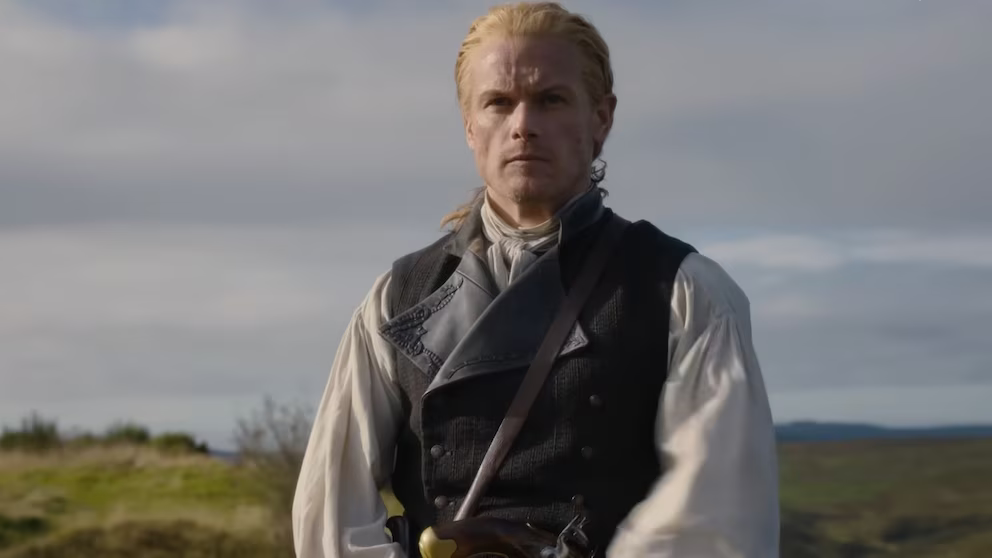
There is also an industrial incentive that rarely gets stated openly. Spoilers do not just harm art, they harm retention. The finale is a conversion moment for the platform carrying the series, and surprise is part of what makes people show up on time instead of later. If the ending leaks, the urgency dissipates, and the finale becomes content that can be consumed eventually, which is the opposite of what distributors want. Secret endings are, in this sense, not only creative protection, they are a demand protection mechanism.
Still, secrecy has costs, and the show must balance them carefully. Too much compartmentalization can make the production feel tense, and tension can spill into performance, press tours, and morale. The best versions of this tactic preserve trust internally while restricting certainty externally, so the cast feels protected rather than manipulated. When done well, it can even intensify the communal feeling among the team, because everyone shares the experience of guarding something valuable.
For the audience, the more interesting effect is how it changes the finale’s emotional temperature. Knowing that multiple endings exist creates a sense that the story is alive until the last second, not already sealed in a predictable container. It invites viewers to return to first principles, to ask what outcome matches the show’s internal logic rather than what rumor chains suggest. That is a healthier relationship to storytelling, because it shifts attention away from the spoiler hunt and back toward meaning, consequence, and character.
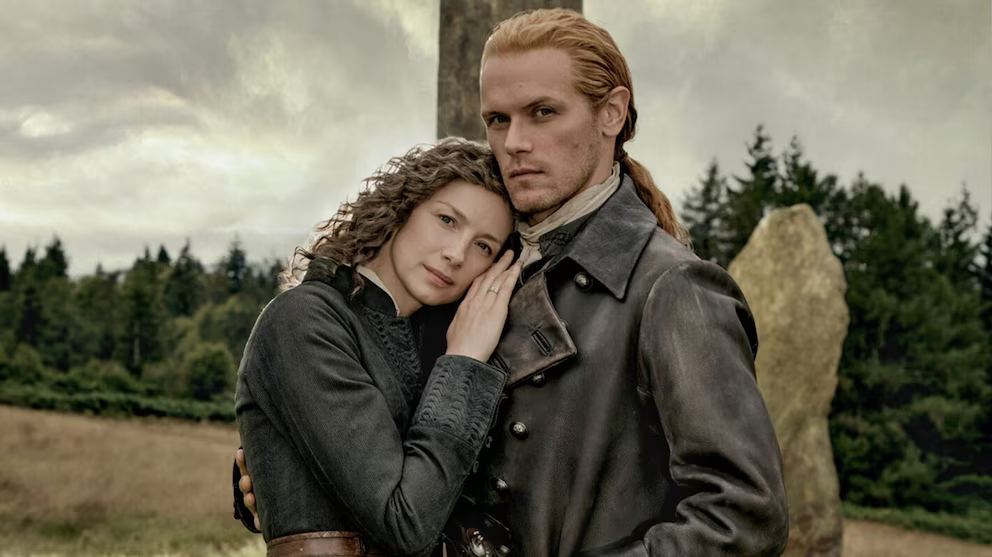
None of this requires sensationalism or a promise of shock for its own sake. Sometimes multiple endings are simply a shield against leaks, and the version that airs is the one that always made the most sense. The point is that the production is treating the ending as a strategic asset, because in 2026 the finale is not just an artistic endpoint, it is a public event exposed to surveillance by millions of eyes. The secrecy makes the ending feel special not because it is hidden, but because it is still allowed to arrive as an ending.
Lo visible y lo oculto, en contexto. / The visible and the hidden, in context.