

 Mario López Ayala, PhD
The cartel’s move to increase output underscores a strategic recalibration as markets balance inflation, geopolitical risks, and shifting energy demand.
Vienna, October 2025
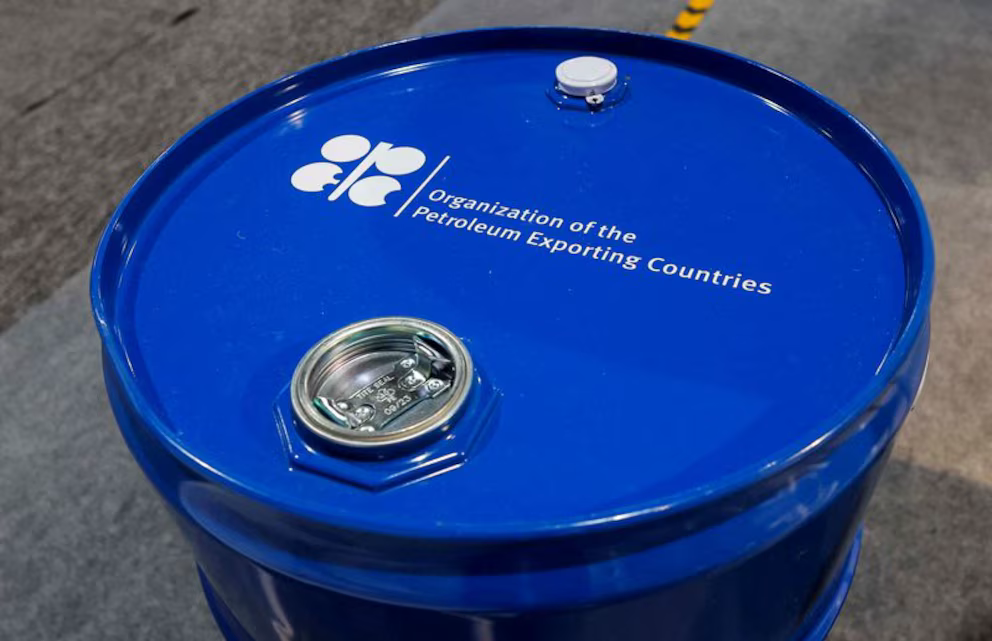
The Organization of the Petroleum Exporting Countries and its allies, known collectively as OPEC+, will increase oil production by 137,000 barrels per day starting in November, a decision that reflects the group’s effort to stabilize global energy markets amid persistent volatility and rising geopolitical tensions. The move comes as major economies continue to grapple with inflationary pressures, supply disruptions, and an uncertain transition toward renewable energy sources.
The decision was finalized after days of negotiations in Vienna, where energy ministers from the group’s 23 member states met to assess market conditions. OPEC officials described the increase as a “measured adjustment” designed to balance supply and demand without triggering a price collapse. The modest scale of the production boost suggests that OPEC+ remains wary of flooding the market at a time when global economic growth is uneven and demand forecasts remain volatile.
Crude prices have fluctuated significantly in recent months, driven by a complex mix of factors. Concerns over slowing growth in China and Europe have weighed on demand projections, while conflicts in the Middle East and sanctions on Russian energy exports have constrained supply. Meanwhile, the United States continues to produce oil at near-record levels, reshaping the dynamics of global competition. By slightly raising production, OPEC+ aims to prevent excessive price spikes that could further fuel inflation while maintaining revenue stability for member states.
According to analysts, the timing of the decision is significant. With the northern hemisphere entering the winter season, demand for heating fuels is expected to rise. At the same time, ongoing geopolitical tensions — including instability in the Red Sea shipping lanes and renewed sanctions discussions targeting Iran — have heightened concerns about potential supply disruptions. By adding barrels to the market now, OPEC+ seeks to cushion consumers against sudden price surges and project itself as a responsible steward of global energy security.
Saudi Arabia and Russia, the two largest producers within OPEC+, played a central role in crafting the agreement. Both nations face distinct economic pressures. Riyadh continues to rely heavily on oil revenues to fund its Vision 2030 diversification agenda, while Moscow seeks to maintain export income as Western sanctions constrain its broader economy. The decision to coordinate on output reflects a strategic alignment of interests, at least in the short term, as both countries aim to support prices without damaging demand.
Still, the production increase will do little to change the underlying structural dynamics of the oil market. The global energy landscape is undergoing a profound transformation, with renewable sources such as wind and solar gaining ground and electric vehicle adoption accelerating in key markets. Yet, oil remains the backbone of the global economy, powering transportation networks, industrial processes, and petrochemical production. Even under the most optimistic energy transition scenarios, fossil fuels will continue to account for a significant share of global energy consumption for decades.
Market reactions to OPEC+ announcements are often swift, and this decision is no exception. Early trading data shows crude prices edging lower on expectations of increased supply, though analysts caution that the impact may be temporary. Much will depend on how demand evolves in the coming months and whether geopolitical flashpoints disrupt supply chains. If global growth slows more sharply than expected, OPEC+ may be forced to reconsider its strategy and implement further cuts to support prices.
Beyond economics, the decision has geopolitical implications. OPEC+ remains one of the few forums where Russia, Saudi Arabia, and other major energy producers engage directly, and their cooperation carries significant weight. The group’s actions also affect the foreign policies of major oil-consuming nations. The United States, for instance, has urged producers to keep prices stable to support global economic recovery, while China has pushed for increased supply to fuel its industrial rebound. OPEC+ must balance these competing pressures while safeguarding the interests of its members.
The production increase also highlights the limitations of Western sanctions regimes aimed at curbing Russian energy exports. Despite restrictions, Moscow has managed to redirect significant volumes to Asia, often with the help of intermediary states and a growing shadow fleet. OPEC+ coordination ensures that Russia retains a voice in global energy policymaking, blunting the impact of Western isolation efforts.
Looking ahead, the cartel’s actions will remain under close scrutiny. The International Energy Agency has warned that the world could face supply shortfalls by the end of the decade if investment in new production capacity does not keep pace with demand. At the same time, environmental groups continue to pressure governments to accelerate the phase-out of fossil fuels, a goal that could disrupt long-term demand patterns. OPEC+, for its part, insists that oil will remain essential to global prosperity and argues that abrupt shifts away from fossil fuels could destabilize economies and worsen energy inequality.
For now, the November output increase is a calculated move: large enough to reassure markets but small enough to avoid undermining prices. It reflects OPEC+’s broader strategy of cautious intervention — responding to short-term pressures while positioning itself for a future in which oil remains indispensable but contested.
Global narrative resilience. / Resistencia narrativa global.