

 Phoenix 24
More barrels enter a market still recovering from conflict.
RIYADH, SAUDI ARABIA — July 2026. Seven OPEC+ countries agreed to increase their combined oil production by 188,000 barrels per day in August, adding new supply as crude prices continue retreating toward levels recorded before the war involving Iran. The decision was adopted during a virtual meeting involving Saudi Arabia, Russia, Iraq, Kuwait, Kazakhstan, Algeria and Oman. It marks the fifth consecutive month in which the participating producers have authorized a gradual increase in output. The measure continues the progressive withdrawal of voluntary production cuts introduced by the same countries in 2023.
Saudi Arabia and Russia will assume the largest individual increases, with each country scheduled to add approximately 62,000 barrels per day. OPEC+ said its members would continue monitoring global market conditions and emphasized that any future production decisions would be approached cautiously. The alliance also retained the option to pause or reverse the increases if demand weakens or if market instability returns. The seven participating producers are scheduled to hold their next meeting on August 2 to evaluate prices, supply conditions and the pace of the recovery.
The announcement came as international oil benchmarks continued falling from the extraordinary levels reached during the height of the Middle Eastern conflict. Brent crude traded below $72 per barrel at the beginning of Sunday evening’s session, approaching prices recorded before the United States and Israel launched attacks against Iran in late February. The international benchmark had climbed to nearly $120 per barrel in March, when fears of prolonged regional disruption dominated energy markets. West Texas Intermediate, the principal United States benchmark, traded at around $68 per barrel.
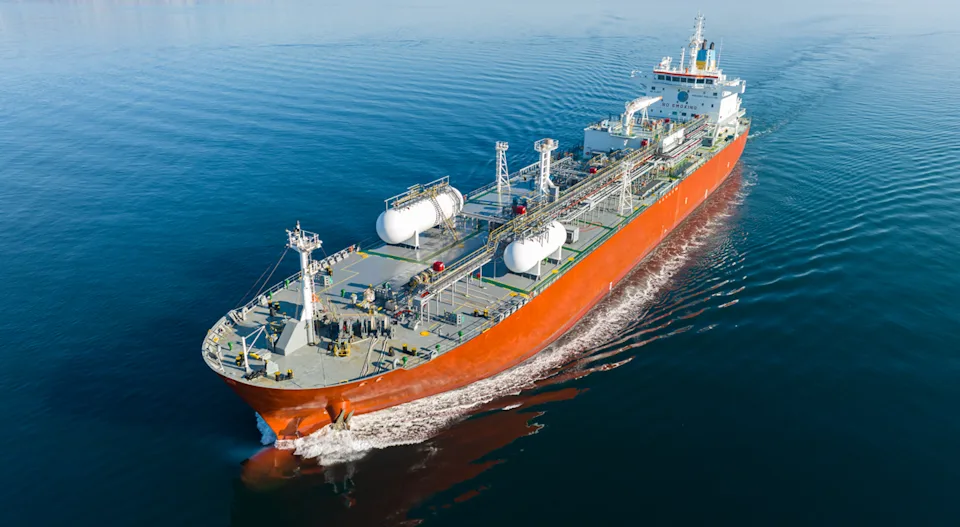
Market sentiment has improved after Iran provisionally agreed to allow vessels to pass through the Strait of Hormuz without obstruction, while Washington lifted its blockade of Iranian ports. Negotiators are still working toward a definitive agreement, and uncertainty remains over the long-term security of one of the world’s most important energy corridors. Before the war, approximately one-fifth of global oil supplies passed through the strait, making any disruption capable of producing immediate consequences for international fuel prices. Commercial traffic has begun recovering, although current activity remains significantly below levels registered before the conflict.
During much of the war, several official OPEC+ production increases existed primarily on paper because Gulf producers could not export their full allocations through the restricted maritime corridor. Middle Eastern countries were forced to reduce actual output as unsold crude accumulated and regional storage facilities approached capacity. The gradual reopening of the Strait of Hormuz is now allowing part of that stored supply to reach international markets, intensifying downward pressure on prices beyond the alliance’s modest official increase. However, analysts warn that restoring normal production, shipping and storage operations will require considerably more time.
S&P Global Energy does not expect Gulf oil production to recover completely until at least the first quarter of 2027. Energy analysts have also warned that the effects of the conflict on transportation costs, fuel bills and household expenses may continue even after a formal peace agreement is achieved. Lower crude prices could eventually ease inflationary pressures and reduce costs for consumers, businesses and governments dependent on imported energy. Nevertheless, the pace of that relief will depend on refining capacity, transportation routes, inventories and the ability of producers to restore stable operations.
The latest OPEC+ decision reflects an attempt to balance the need for market stability with the growing availability of crude as regional shipping conditions improve. Increasing production too rapidly could push prices lower and reduce revenues for exporting nations, while maintaining tight limits could delay the normalization of global energy supplies. The alliance must also consider uncertain economic growth, changing demand from major consumers and the possibility that geopolitical tensions could escalate again. For now, the additional 188,000 barrels per day represent a measured adjustment rather than a major transformation of global supply.
Energy markets are searching for stability after months of disruption.