

 Phoenix 24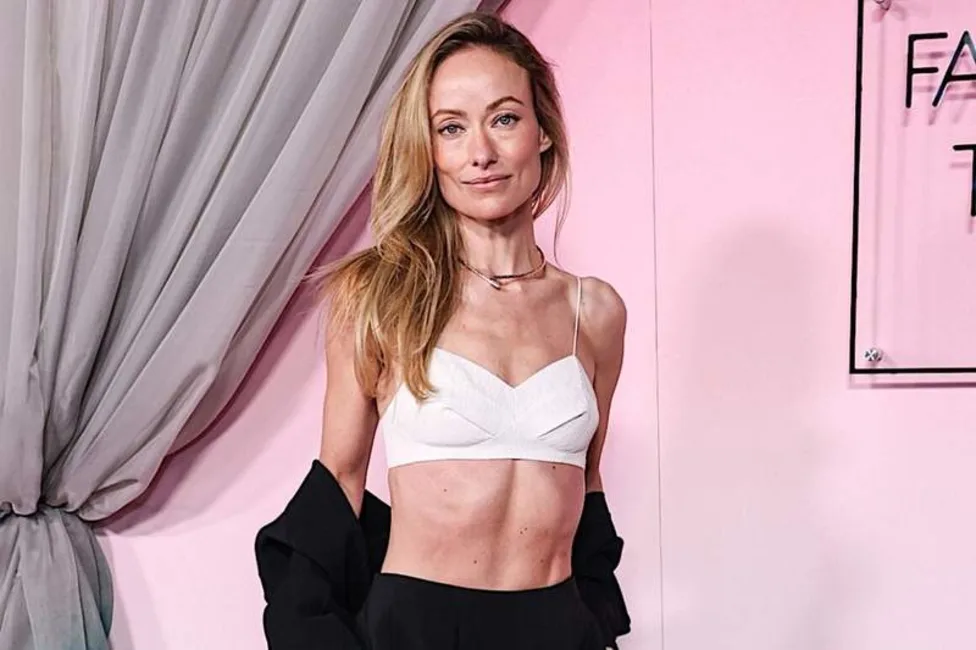
Online comments revive concerns about celebrity body surveillance.
LONDON, UNITED KINGDOM — July 2026.
Olivia Wilde has again become the subject of intense online discussion after appearing at a London screening of her latest directorial project, The Invite. A video published during the event prompted viewers to comment on her body, with some expressing concern and others using openly insulting language. Social-media users speculated about her health, eating habits and possible medication use despite having no verified medical information about the actress and filmmaker. The reaction demonstrates how quickly a promotional appearance can be transformed into a public examination of a woman’s physical condition.
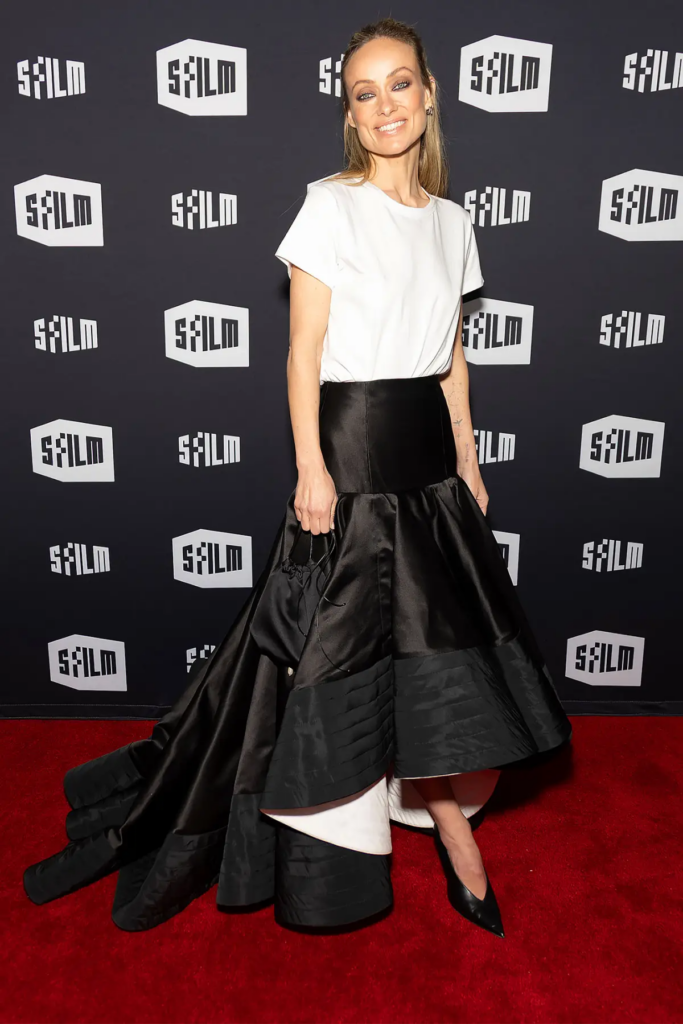
The event took place at Picturehouse Central as Wilde continued promoting the film she directed, co-wrote and stars in alongside a prominent ensemble cast. Photographs and interview footage from the red carpet circulated widely, attracting remarks that described her appearance as unusually thin or unhealthy. Some commenters invoked body dysmorphia, while others demanded that people close to her intervene or accused her of using weight-loss drugs. None of those claims were supported by medical evidence, yet repetition across platforms allowed speculation to acquire the appearance of legitimate concern.
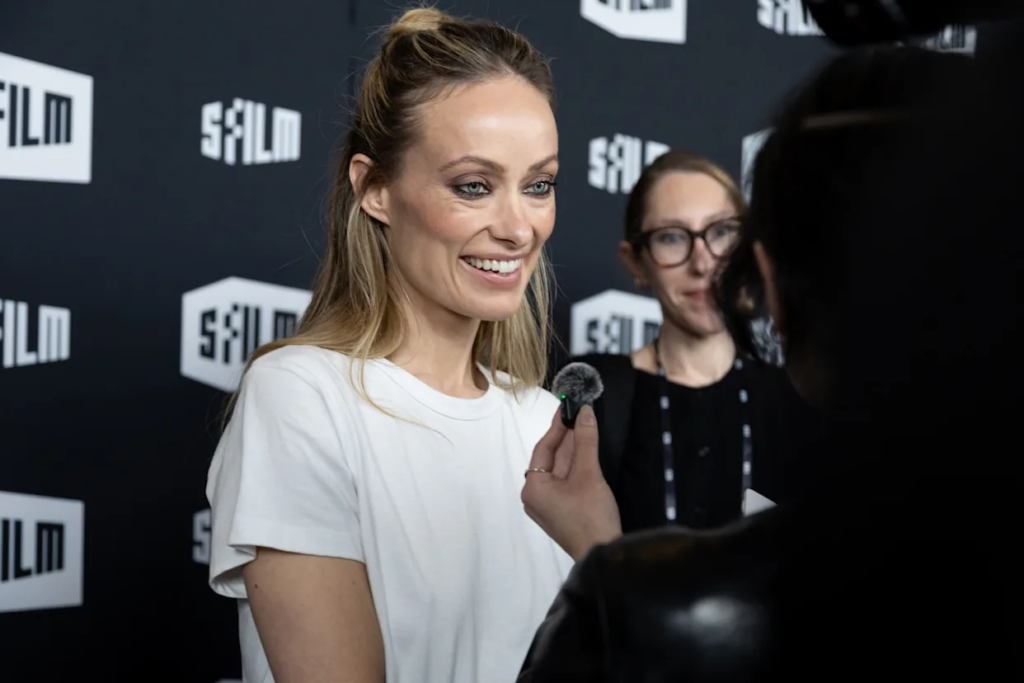
The latest debate followed a similar episode in April, when an unflattering image from another red-carpet interview went viral. Several users compared Wilde’s appearance in that frame to Gollum, the fictional character from The Lord of the Rings, generating widespread ridicule through memes and reposts. Wilde later acknowledged that the image looked terrible and reacted with humor to the comparison, but she also emphasized that one distorted moment did not reflect how she normally looks. She said the photograph spread across an enormous number of phones, illustrating the scale at which a single image can redefine public perception.
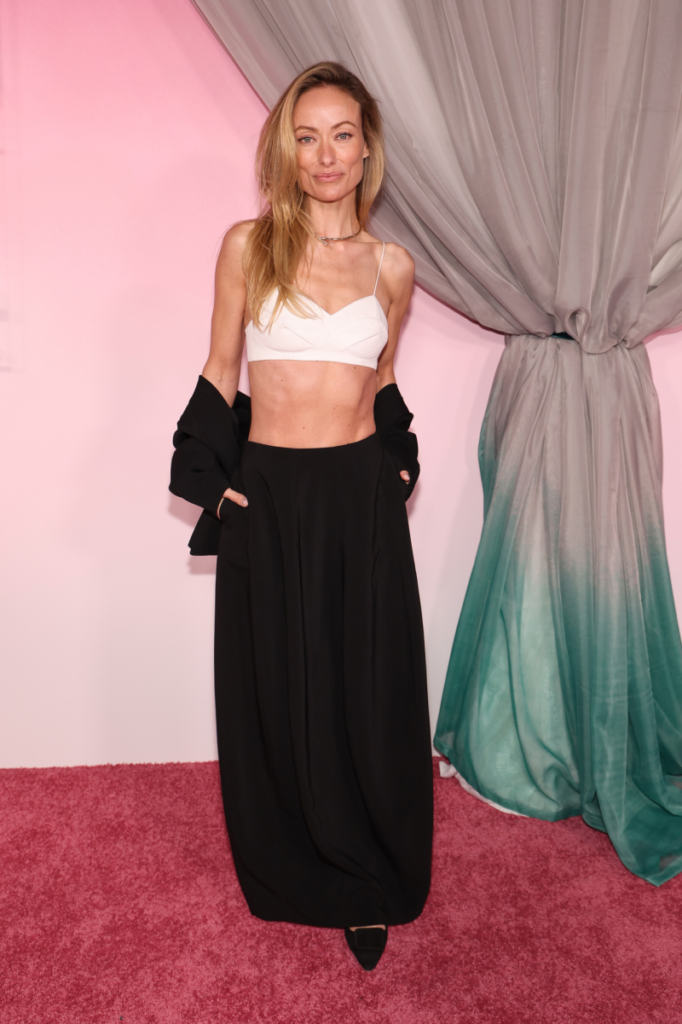
Wilde addressed the same experience during a conversation on the Call Her Daddy podcast, where she described the viral photograph as making her look almost corpse-like. Her language showed an attempt to reclaim the narrative through self-deprecating humor while recognizing how unsettling the image had become. The episode also revealed the psychological difficulty of seeing a disliked photograph reproduced and discussed by millions of strangers. Even celebrities accustomed to publicity can struggle when an isolated visual moment becomes detached from movement, lighting, context and personal reality.

The renewed criticism intensified after Wilde attended the Los Angeles premiere of The Invite in late June wearing an outfit that exposed part of her abdomen. Commenters focused particularly on the visibility of her ribs, turning coverage of the film into another debate about her body. This pattern reflects a long history in entertainment media in which women’s weight, aging and clothing receive greater attention than their professional work. Expressions framed as concern can still become invasive when they involve diagnoses, medication accusations or demands for explanations from someone who has not disclosed a health problem.
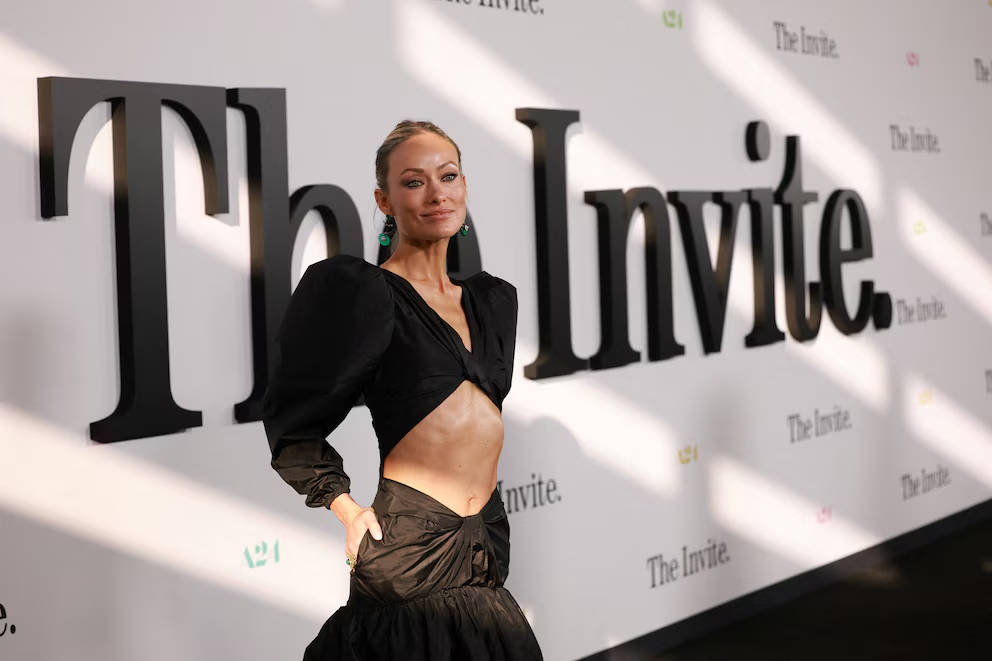
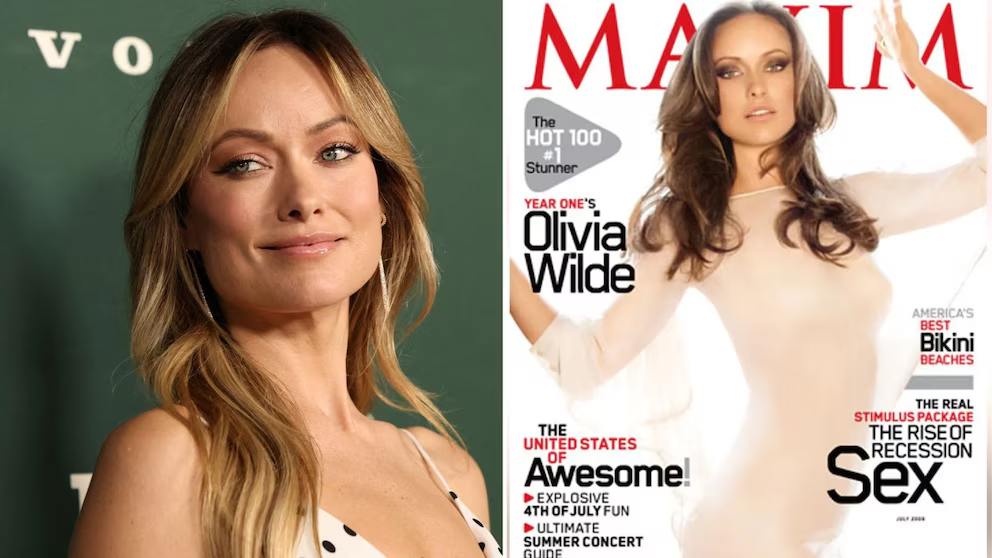
Wilde has previously discussed how beauty standards shaped her career and contributed to personal insecurity. In 2009, she accepted the top position on Maxim magazine’s annual Hot 100 list, a designation that increased her visibility and helped her obtain acting opportunities. She has since acknowledged her participation in that system of self-objectification while explaining that being publicly labeled exceptionally attractive created pressure to maintain the image. Such superlatives can generate an opposing reaction in which audiences search for evidence that the celebrity is undeserving, aging or no longer meeting the standard imposed upon her.
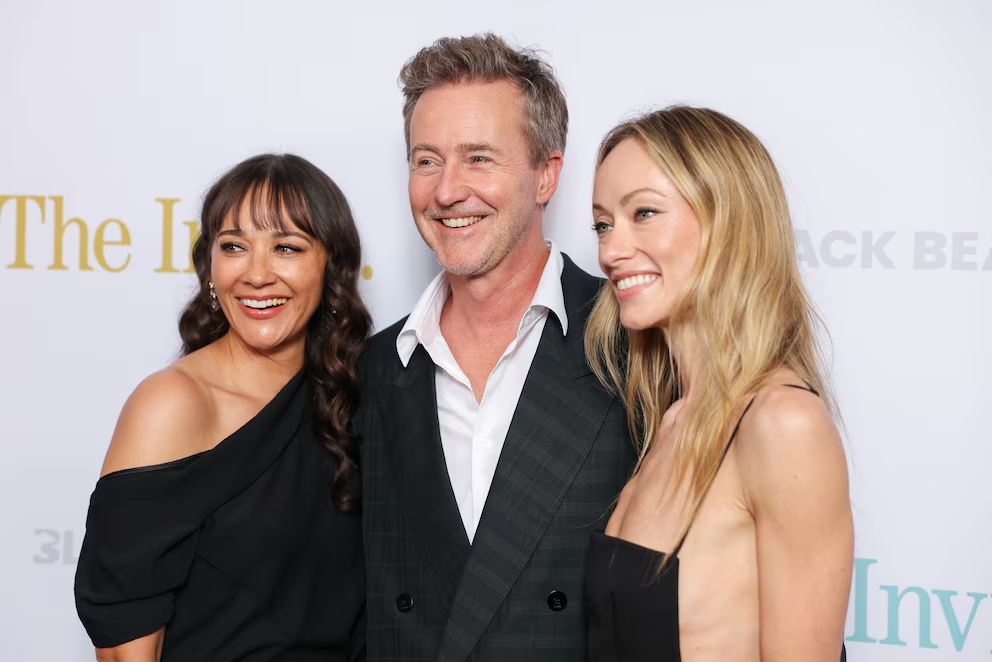
The controversy has overshadowed the promotional campaign for The Invite, which Wilde co-wrote with Rashida Jones and Will McCormack. Adapted from the 2020 Spanish film The People Upstairs, the story follows a married couple whose troubled relationship is disrupted by their sexually uninhibited neighbors. Wilde and Seth Rogen portray the central couple, while Penélope Cruz and Edward Norton play the residents living above them. The narrative uses an uncomfortable dinner to expose hidden desires, resentment and emotional contradictions within both relationships.
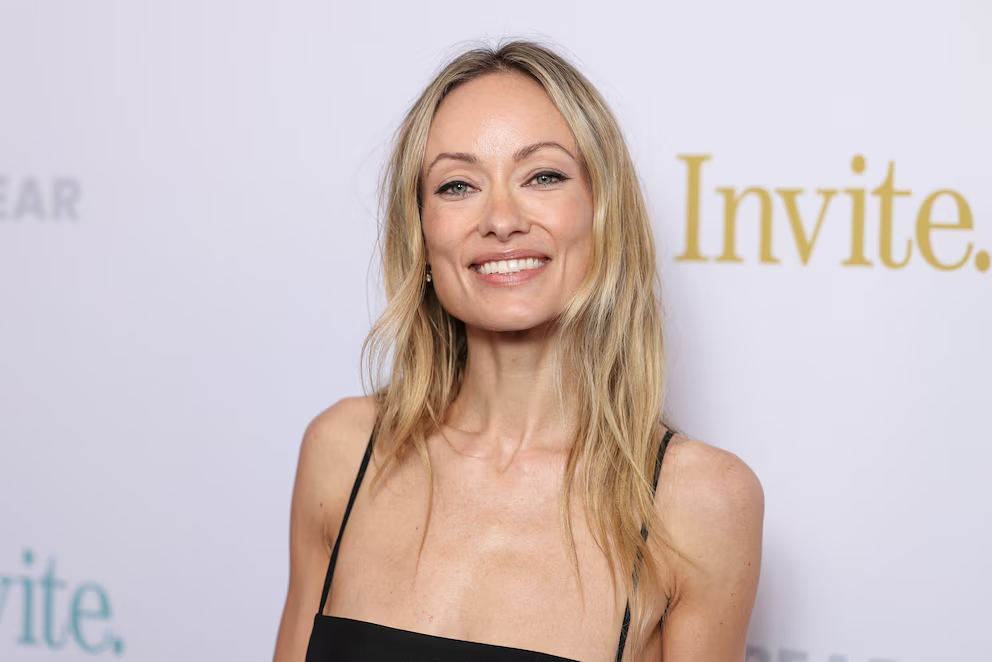
Public discussion of celebrity bodies often presents itself as compassionate while reproducing many of the same pressures associated with direct criticism. Genuine concern about another person’s health does not provide enough information to diagnose them from photographs, short videos or clothing choices. Images can be altered by posture, camera lenses, lighting, editing and the selection of a single frame from a longer sequence. Responsible commentary should therefore avoid transforming appearance into medical evidence or treating a public figure’s body as collective property.
Wilde has not announced that she is experiencing an eating disorder, medication problem or medical crisis, making definitive claims about her condition inappropriate. The available information instead documents a cycle in which images circulate, strangers speculate and the subject must respond to conclusions formed without direct knowledge. Her previous remarks show that viral criticism can reach the person being discussed, even when she handles it publicly with humor. The episode ultimately raises a broader question about whether online audiences can distinguish legitimate empathy from surveillance, ridicule and unsupported judgment.
Phoenix24 — Global news with clarity and perspective.