

 Phoenix 24
Energy markets breathe, but volatility still governs.
London, April 2026. Global oil markets are showing signs of recovery after a tentative diplomatic opening between the United States and Iran softened fears of an immediate supply crisis. The movement does not mean the conflict has been resolved, nor that the energy system has returned to normal. It means traders are beginning to price a lower probability of uncontrolled escalation in one of the world’s most sensitive geopolitical corridors.
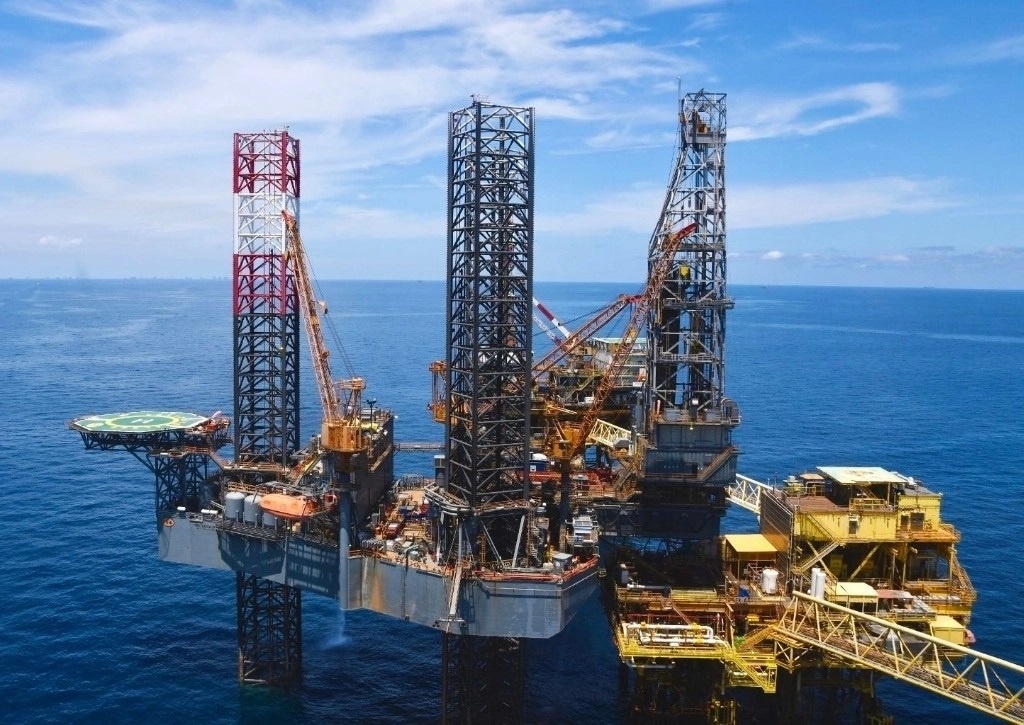
The rebound comes after weeks of volatility driven by military pressure, maritime insecurity and anxiety over the Strait of Hormuz. When a conflict touches a chokepoint through which a major share of global crude and liquefied natural gas flows, prices stop responding only to supply and demand. They begin to respond to fear, timing, rhetoric and the perceived probability of disruption.
That is the key to the current moment. Oil is not recovering because the geopolitical risk disappeared. It is recovering because the market believes the worst scenario may no longer be imminent. In energy finance, that difference is decisive: a single diplomatic signal can remove part of the risk premium, even before any formal agreement exists.
Washington’s posture remains built around pressure. The United States has used military presence, economic restriction and diplomatic signaling to force Tehran toward a narrower set of options. Iran, meanwhile, needs room to ease economic strain without appearing to surrender under coercion. Between those two positions, oil prices have become a live measurement of strategic tension.
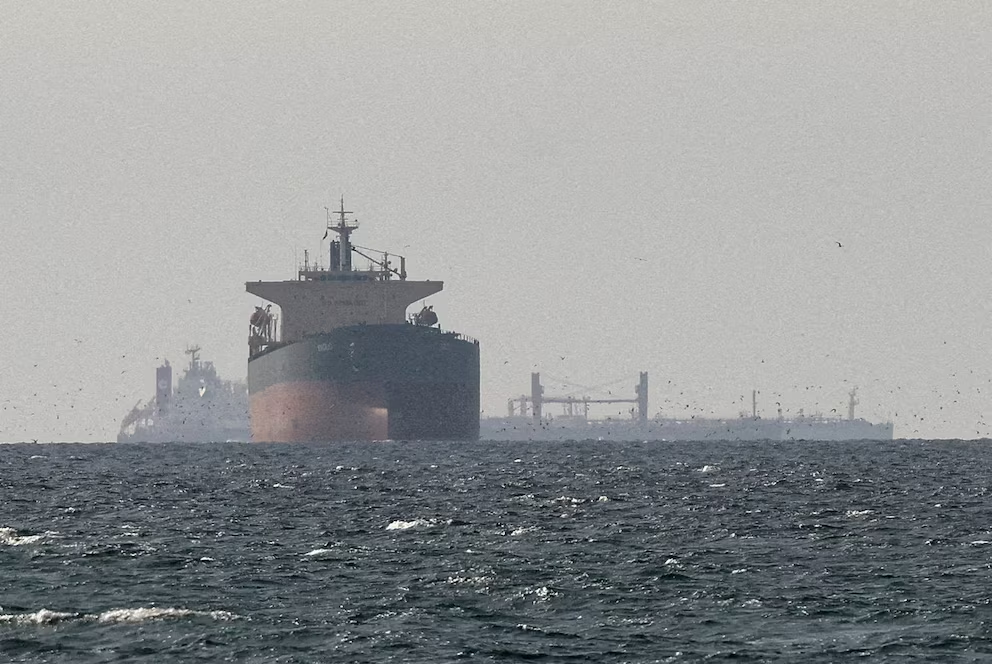
The market reaction also reveals how fragile the global energy system remains. A recovery in prices may calm investors, but it does not repair the underlying vulnerability created by war risk, shipping exposure and dependence on maritime corridors. Every tanker route, insurance premium and refinery calculation remains tied to the possibility that negotiations could fail.
For Europe, this matters because energy volatility arrives directly through inflation, industrial costs and monetary policy pressure. A lower oil price can relieve central banks, households and manufacturers, but only if the decline proves durable. If the diplomatic opening collapses, the same inflationary pressure that briefly eased could return with greater force.
Asia faces a similar exposure from a different angle. Large importers depend on predictable energy flows to sustain manufacturing, transport and food systems. A crisis in the Persian Gulf does not stay in the Gulf. It travels through freight rates, currency pressures, reserve policy and consumer prices across economies far removed from the battlefield.
This is why the rebound should not be mistaken for stability. Markets often move faster than diplomacy because they are built to price probability, not certainty. Traders do not need peace to buy relief; they only need signs that escalation is less likely than it was yesterday. That creates recoveries that can be sharp, but also reversible.
The diplomatic approach between Washington and Tehran therefore operates on two levels. Politically, it opens a narrow channel to reduce tension. Financially, it lowers the immediate cost of fear embedded in crude prices. Strategically, however, it does not eliminate the deeper conflict over sanctions, nuclear limits, regional influence and control over the maritime energy architecture.
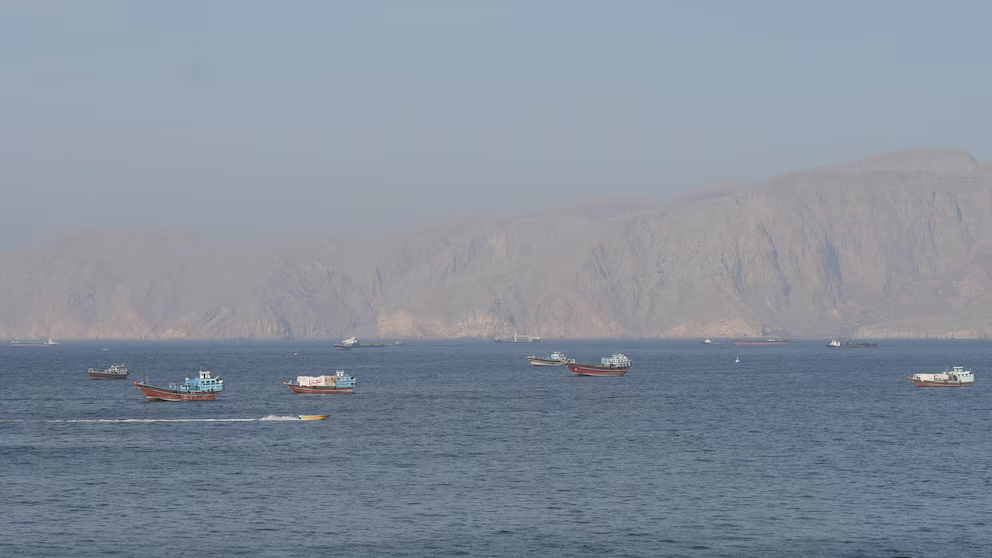
The Strait of Hormuz remains the central shadow over the market. Its importance is not only physical, but psychological. Even without a full closure, threats, inspections, attacks or military incidents can be enough to reshape expectations. In oil markets, a corridor does not have to be blocked to become expensive; it only has to look vulnerable.
This gives both Washington and Tehran leverage, but also exposes them to miscalculation. The United States can influence markets by signaling controlled de-escalation while maintaining pressure. Iran can affect global pricing by projecting resistance near critical routes. But the more both sides use energy infrastructure as a pressure point, the greater the chance that a tactical message becomes a strategic accident.
The current recovery also shows the limits of economic forecasting in a security crisis. Analysts can model inventories, demand projections and production capacity, but they cannot fully model political pride, military friction or diplomatic ambiguity. The price of oil now carries variables that belong as much to intelligence analysis as to commodity economics.
For producers, the rebound creates mixed incentives. Some exporters benefit from higher prices during crisis, while others fear demand destruction if volatility becomes excessive. OPEC and allied producers must read the situation carefully because too much instability can weaken global consumption and accelerate political pressure for diversification. In that sense, even oil-rich states have reasons to prefer controlled tension over uncontrolled crisis.
For consumers, the lesson is sharper. Energy dependence is not only about how much oil a country imports, but where that oil must travel and how exposed the route is to conflict. The US–Iran confrontation reminds governments that supply security is a geopolitical problem before it is a spreadsheet problem. Strategic reserves, alternative suppliers and infrastructure redundancy become instruments of national resilience.
The rebound also intersects with central bank calculations. If oil continues to ease, policymakers may feel more comfortable considering rate cuts or softer guidance. If prices surge again, inflation expectations could harden, forcing central banks to remain restrictive even as growth weakens. That is why a diplomatic gesture in the Gulf can echo inside monetary policy meetings in Frankfurt, London and Washington.
The deeper story is that energy markets have become sensors of global power. They detect not only barrels, but threats; not only demand, but deterrence; not only inventories, but the credibility of states. Each movement in price becomes a condensed signal of how investors interpret the balance between war and negotiation.
For now, the market is breathing again. The diplomatic opening has reduced panic and allowed crude prices to step back from the most extreme scenarios. But breathing is not healing. The structural tension remains intact, and the next round of statements, inspections, sanctions or military maneuvers could quickly reverse the mood.
The most realistic reading is therefore cautious relief. Oil has not entered a new era of stability; it has entered a pause shaped by uncertainty. If diplomacy deepens, the recovery could consolidate. If talks fracture, the risk premium will return with speed.
The US–Iran approach has given markets a temporary exit from fear, but not a permanent solution to vulnerability. That is the contradiction defining this moment. Energy prices may recover before peace exists, but they cannot remain stable if the architecture around them continues to depend on coercion, chokepoints and strategic mistrust.
Detrás de cada dato, hay una intención. Detrás de cada silencio, una estructura.