

 Phoenix 24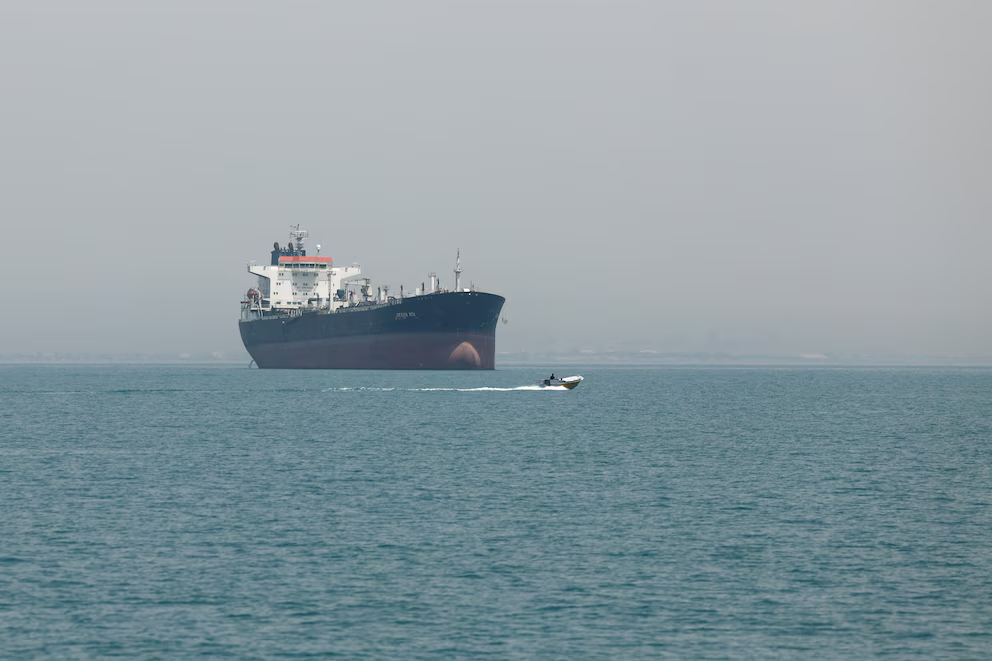
Energy markets are pricing relief before certainty.
London, May 2026. Oil prices fell more than 7% as expectations grew around a possible agreement capable of reducing tensions near the Strait of Hormuz. The movement shows how quickly geopolitical perception can move energy markets even before a definitive diplomatic outcome exists.
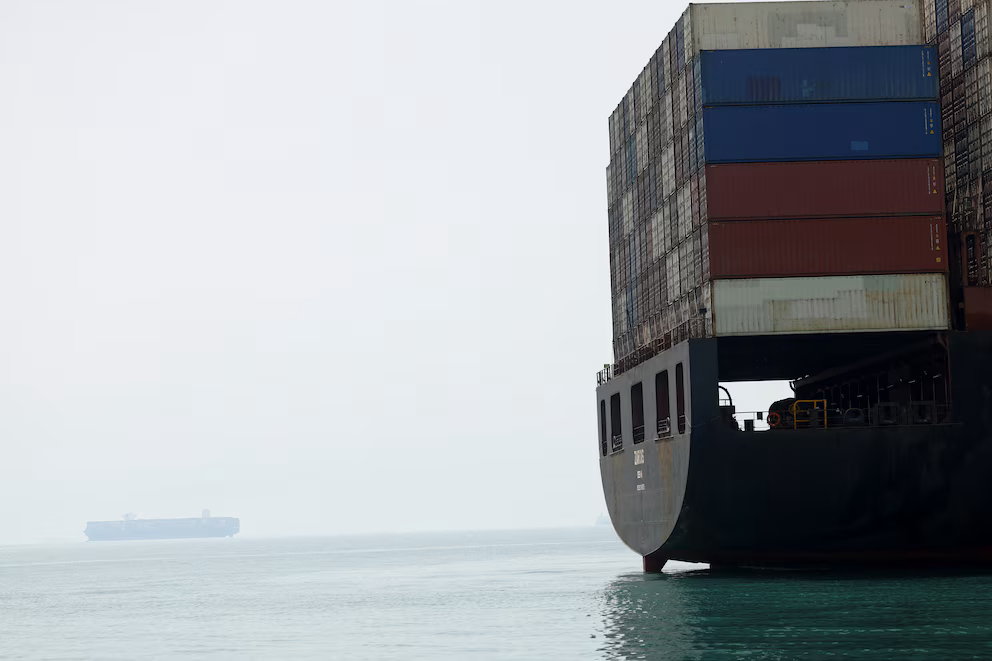
The Strait of Hormuz remains one of the world’s most critical energy corridors, making any sign of de-escalation immediately relevant for crude prices, shipping costs and inflation expectations. When risk rises in that passage, markets price scarcity; when tension appears to ease, they price relief.
The decline also reflects investor sensitivity to the possibility of more stable maritime transit after weeks of uncertainty around regional escalation. Lower oil prices can ease pressure on transport, industry and consumer costs, but the relief remains fragile while negotiations are still politically exposed.
The deeper lesson is structural. Energy markets do not wait for peace treaties; they react to signals, probabilities and perceived risk. In that environment, the Strait of Hormuz is not only a maritime route, but a global pressure valve for inflation, security and geopolitical confidence.
Beyond the news, the pattern. / Más allá de la noticia, el patrón.