

 Phoenix 24
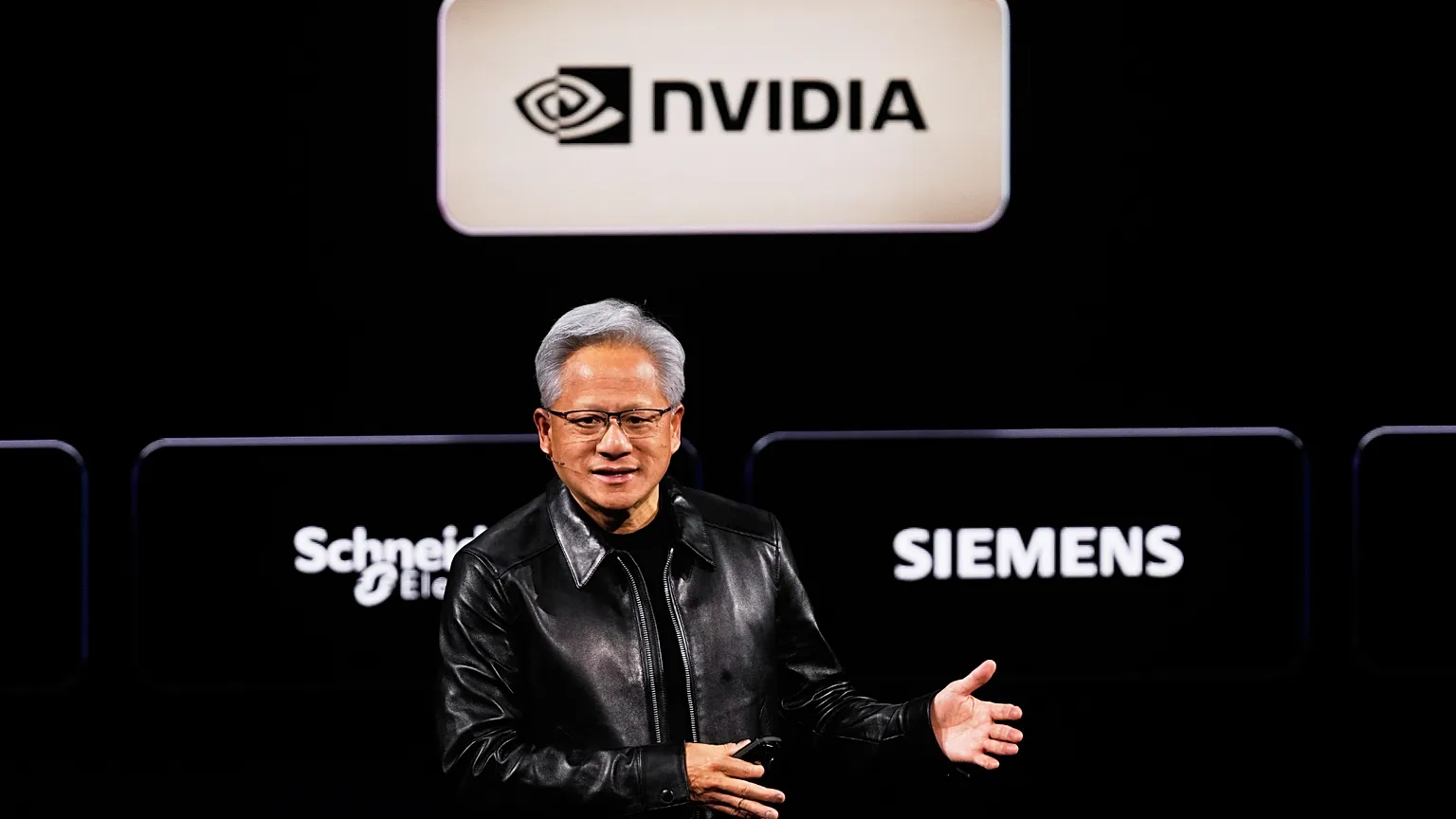
An extraordinary corporate reversal exposes the influence of technological leadership.
SANTA CLARA, CALIFORNIA
Nvidia has reinstated co-founder Jensen Huang as president and chief executive officer just 11 days after his unexpected resignation, reversing one of the most consequential leadership changes in the global artificial intelligence industry. The company’s board unanimously approved his return on November 23, 2026, following discussions with Huang and consultations involving senior United States government officials. The decision triggered a powerful rally in technology stocks while raising difficult questions about corporate governance, political influence and the concentration of power within companies central to the AI economy.
Huang, 63, resigned on November 12 amid reports concerning extramarital relationships, including an alleged relationship with a Chinese businesswoman whom American authorities reportedly suspected of involvement in intelligence activities. China has denied the espionage allegations, and no judicial finding has established that Huang engaged in espionage or unlawfully shared sensitive information. Nvidia’s board subsequently initiated an independent investigation into reports that its former chief executive may have been targeted by a foreign intelligence operation.
The circumstances of his departure created immediate uncertainty for a company whose advanced processors have become essential infrastructure for artificial intelligence development. Nvidia supplies computing technology used by major cloud providers, research institutions and leading AI developers, placing its leadership decisions at the intersection of corporate strategy and national security. Huang’s unusually influential position within the company made the prospect of replacing him especially challenging for investors and business partners.
Following his resignation, chief financial officer Colette Kress assumed the role of interim chief executive, while Harvey Jones became chairman of the board. Nvidia initially announced that it would consider internal and external candidates for a permanent replacement. The board subsequently indicated that reinstating Huang was not under consideration, making Monday’s reversal particularly striking.
The decision followed increasing pressure from investors and public intervention by President Donald Trump, who had urged Nvidia to reconsider Huang’s departure. Trump welcomed the reinstatement and stated that American authorities had no evidence indicating that Huang had engaged in unlawful conduct. Nvidia confirmed that its directors had received information from senior government officials and, based on those consultations, concluded that his return did not present a national security risk.
The company’s announcement nevertheless stopped short of declaring the underlying controversy fully resolved. An independent board committee will continue examining reports concerning possible foreign intelligence activities directed at Huang, supported by external legal counsel. Nvidia has also established a separate National Security and Export Control Committee and initiated a search for a chief compliance officer responsible for strengthening institutional oversight.
Financial markets responded immediately to the announcement. Nvidia shares surged more than 30% during Monday’s trading, with Reuters reporting that the recovery could add approximately $900 billion to the company’s market capitalization. The enthusiasm extended to other technology businesses closely connected to Nvidia’s infrastructure ecosystem, including CoreWeave and Nebius, while the Nasdaq Composite recorded substantial gains.
The reaction illustrates the extraordinary importance investors attach to Huang’s leadership. Since co-founding Nvidia in 1993, he has overseen its transformation from a graphics processor manufacturer into one of the world’s most strategically important semiconductor companies. His approach to technological development, commercial partnerships and investment has helped shape the infrastructure supporting contemporary generative AI systems.
Yet the same dependence that contributed to the market recovery raises questions about organizational resilience. Corporate governance frameworks are designed to ensure that major institutions can operate through leadership transitions without becoming excessively dependent on individual executives. Nvidia’s rapid reversal suggests a tension between the board’s responsibility to exercise independent judgment and shareholders’ expectations that a highly successful founder should remain indispensable.
The controversy also illustrates how geopolitical considerations increasingly influence decisions within technology corporations. Nvidia’s advanced semiconductors occupy a sensitive position in Washington’s restrictions on technology exports to China, while Chinese customers remain commercially important to the company. Regulatory oversight, national security investigations and international trade policy therefore create pressures extending well beyond ordinary executive succession.
Reuters has also reported that Nvidia faces separate investigations and shareholder litigation involving alleged disclosure failures and other compliance concerns. Those proceedings remain distinct from the board’s decision to reinstate Huang, and the existence of investigations or civil allegations does not establish wrongdoing. Their significance lies in the additional scrutiny facing an organization whose commercial activities have become closely intertwined with public policy and strategic competition.
For shareholders, restoring Huang may reduce uncertainty surrounding technological strategy and commercial relationships. For employees and customers, the announcement provides continuity after a period of abrupt leadership change. However, continuity alone cannot resolve questions about internal controls, executive accountability or the independence of corporate decision-making.
Huang has expressed gratitude for the board’s confidence and committed himself to returning with renewed responsibility. His reinstatement restores a familiar figure to the center of the artificial intelligence industry, but it also creates expectations that Nvidia will demonstrate stronger governance while cooperating with ongoing investigations.
The larger significance of this episode extends beyond one executive’s departure and return. As artificial intelligence companies become increasingly important to economic growth, financial markets and national security, their governance structures acquire consequences far beyond their shareholders. Nvidia’s experience demonstrates that technological leadership can create exceptional corporate value while making institutional independence and accountability more difficult to maintain.
Beyond the Headlines, Accountability Matters.