

 Phoenix 24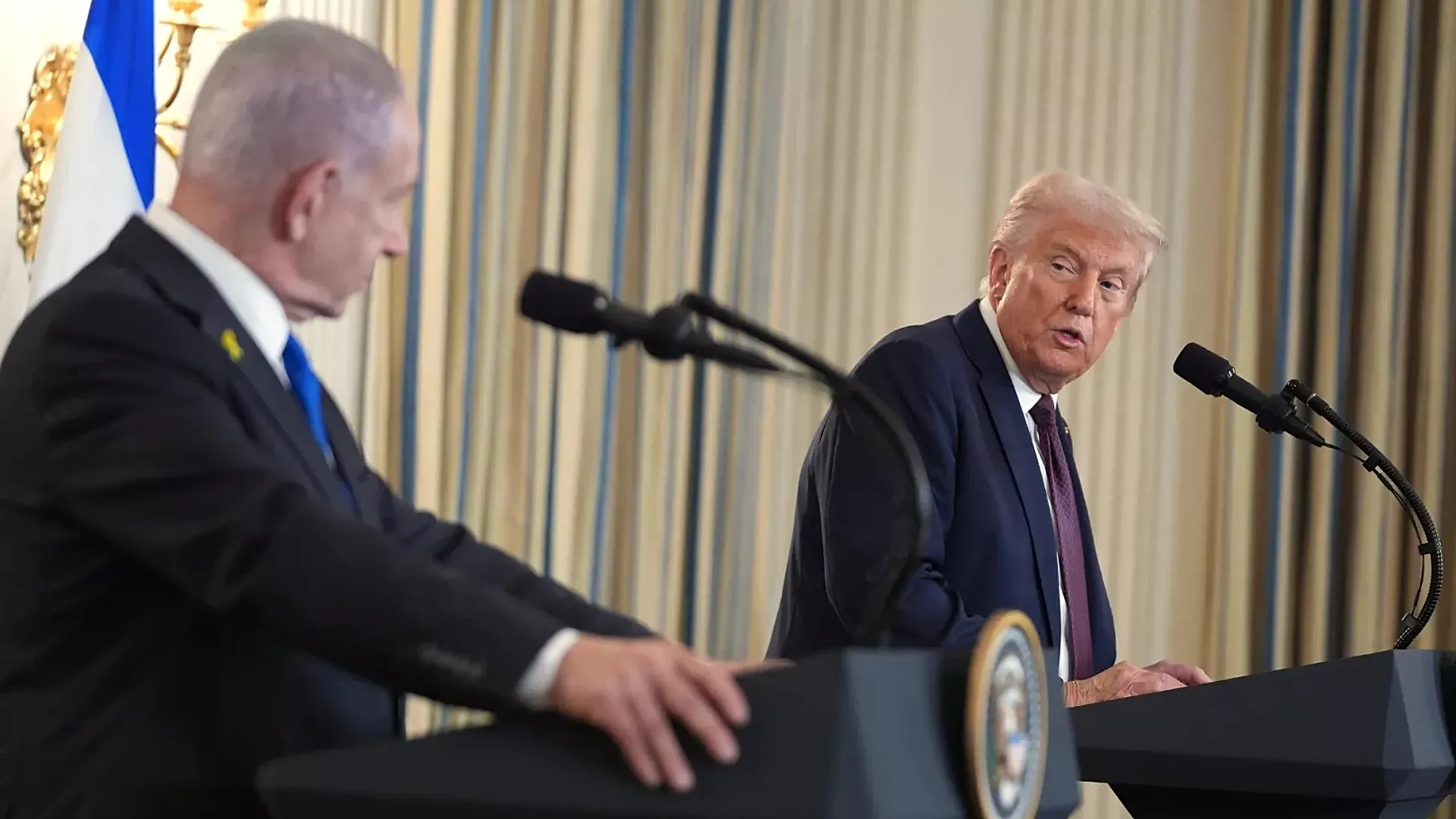
The unexpected move from Jerusalem reshapes the diplomatic balance in the Middle East and places Doha at the heart of a new power dynamic.
Doha, September 2025
Israel’s strategy of calculated strikes in its fight against Hamas has encountered an unexpected diplomatic wall. Benjamin Netanyahu issued a formal apology to the Qatari government after an Israeli airstrike hit Doha during an operation targeting Hamas leaders. The incident, which killed a Qatari soldier and immediately strained bilateral relations, marks a pivotal moment in the Gulf’s geopolitical landscape. At the same time, Donald Trump proclaimed that a peace agreement was “very close” and insisted that the United States was prepared to enforce a negotiated solution if the parties could not reach one on their own.
The strike, carried out amid sensitive negotiations for the release of hostages in Gaza, was aimed at several senior Hamas figures allegedly present in the Qatari capital. However, the operation led to unintended consequences: a violation of sovereignty, civilian casualties, and a diplomatic storm that threatens to undermine years of regional mediation. Netanyahu called the incident “a regrettable mistake” and promised it “will not happen again.” Qatari authorities, while accepting the apology, demanded an international investigation and security guarantees. The United Nations, through Secretary-General António Guterres, denounced the attack as “a flagrant violation of international law” and urged Israel to align its counterterrorism strategy with humanitarian standards.
Qatar has historically played a key mediating role in indirect talks between Israel and Hamas. Its position as host of discreet contacts and its influence over Hamas’s political leadership make it indispensable to any negotiation process. The aggression not only jeopardizes that mediation but also sends an ambiguous message to other moderate Arab states that have cooperated with Israel under recent normalization agreements. From Cairo, Egypt’s Foreign Ministry warned that “the precedent is dangerous” and that trust among regional partners is “seriously eroded” by unilateral actions of this kind. In Brussels, the European External Action Service urged the immediate “restoration of diplomatic channels” and reminded all parties that counterterrorism cooperation must not occur “outside the framework of international law.”
In Washington, Trump unveiled an ambitious 20-point plan that, he claimed, could resolve the conflict within weeks. The proposal includes a timetable for the release of hostages within 72 hours of signing the agreement, the deployment of international observers under a UN Security Council mandate, and the creation of a provisional administrative council in Gaza headed by Tony Blair. The former president emphasized that the United States “will use all its influence and force if necessary” to ensure compliance with the terms. This interventionist approach reflects a shift from the more cautious posture adopted by previous administrations.
Although Hamas has not yet formally responded to the plan, UN diplomats indicated that acceptance would depend on guarantees regarding an end to Israeli airstrikes and a partial lifting of the blockade. Turkey and Saudi Arabia expressed support for the dialogue initiative but warned that “imposed peace” without local consensus risks failure. In Beijing, the Ministry of Foreign Affairs voiced support for “any multilateral initiative” that leads to regional stability, while Moscow criticized Washington for attempting to “monopolize” the peace process.
The explicit acknowledgment of the violation of Qatari sovereignty carries deeper implications than it may appear. On one hand, it shows Netanyahu’s attempt to contain diplomatic fallout at a time when Israel faces increasing criticism over its military strategy. On the other, it exposes the inherent tension between tactical security goals and the need to preserve strategic alliances. Analysts at the Middle East Institute argue that the episode could “reconfigure the Gulf’s diplomatic geometry” and open space for actors like Iran or Qatar to strengthen their political capital in mediation efforts.
International pressure also points to a broader picture: the future of Gaza and the regional security architecture depend not only on ending the violence but also on the institutional redesign that follows any agreement. The proposal for a temporary administrative council is viewed with skepticism by some Arab governments, who fear it could lead to prolonged Western oversight. At the same time, Israel faces a strategic dilemma: continue its offensive at the risk of diplomatic isolation, or accept compromises that limit its military freedom of action.
In the coming weeks, the balance of power in the Middle East will be determined by the parties’ ability to capitalize on this crisis rather than deepen it. The diplomatic clock is ticking: every gesture, every statement, and every concession will matter in the construction — or collapse — of a process that could redefine the region’s geopolitical order for the next decade.
Narrative is power too. / La narrativa también es poder.