

 Phoenix 24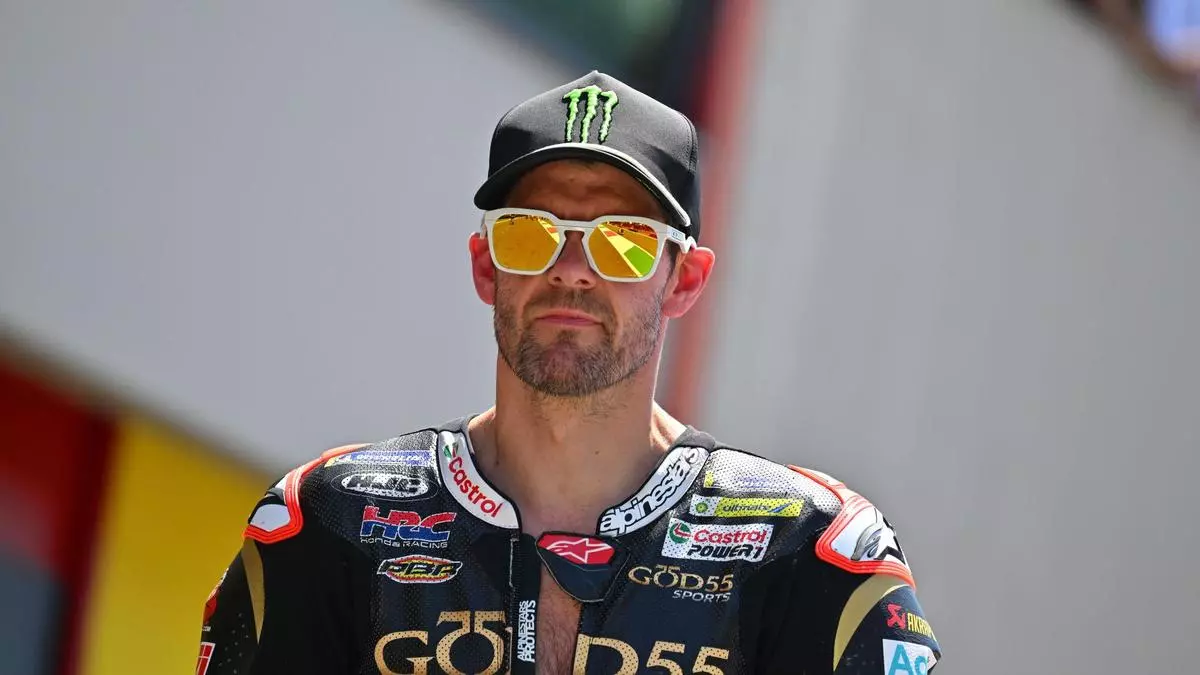
The grid is aging because the crisis is real.
Barcelona, June 2026
MotoGP is rediscovering its old jewels as an unusual wave of injuries and absences forces teams to look beyond the current competitive map. What should be a championship defined by pure speed, factory development and emerging talent has become a survival exercise in which experience, memory and technical reliability are suddenly valuable again.
The pattern is revealing. When riders fall, factories do not simply need substitutes; they need professionals capable of understanding complex prototypes, managing risk and delivering useful data under extreme pressure. That is why veteran names, test riders and former race winners are again becoming relevant inside a championship increasingly shaped by physical attrition.
This return of familiar figures exposes a hidden weakness in modern MotoGP. The bikes are faster, the aerodynamics more aggressive and the margin for error smaller than ever. Crashes do not merely interrupt a weekend; they can derail entire factory programs, destabilize satellite teams and force rapid decisions that were never part of the sporting script.
The injury problem also challenges the obsession with youth. MotoGP has spent years promoting the next generation as the natural engine of its future, but the current scenario shows that experience still has strategic value. A veteran rider may lack the raw explosiveness of a young contender, but can offer feedback, composure and race management that become essential when a team is operating in emergency mode.
For fans, the phenomenon carries nostalgic appeal. Seeing old names return to the paddock reconnects the sport with its recent past and gives the championship an emotional layer that statistics cannot fully capture. But nostalgia should not hide the underlying warning: if MotoGP needs to recycle experience so frequently, it may be because the competitive ecosystem has become too physically punishing.
The commercial dimension is also clear. Familiar riders generate attention, revive old loyalties and help maintain audience interest when injuries remove current stars from the grid. In a championship where narrative matters almost as much as lap time, a veteran comeback can become a television asset, a sponsor opportunity and a paddock storyline.
Yet the deeper issue remains structural. MotoGP’s “old jewels” are not returning only because they are loved; they are returning because the system needs them. The sport is learning that modern performance without sufficient human resilience creates a fragile spectacle. Speed sells the championship, but survival may now define it.
Beyond the news, the pattern. / Más allá de la noticia, el patrón.