

 Phoenix 24
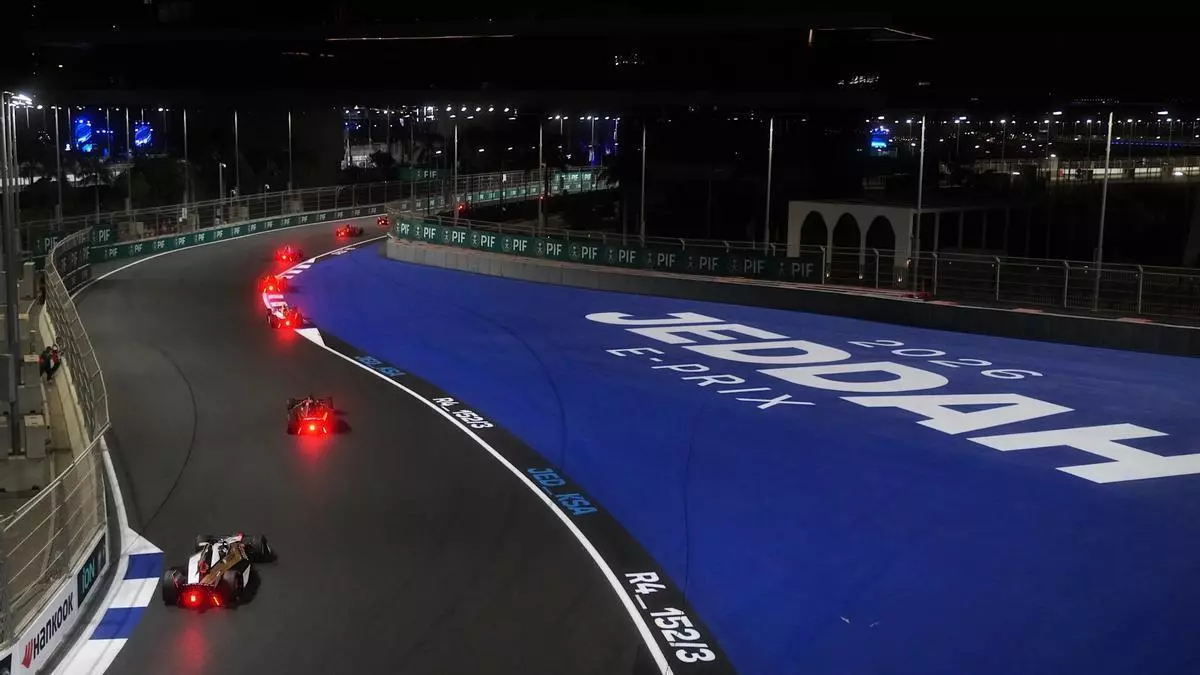
Security concerns are reshaping international motorsport calendars.
PARIS, France. The continuing conflict in the Middle East is forcing international motorsport organizers to reconsider race locations, transportation arrangements and security measures, with the 2027 Dakar Rally emerging as a prominent example of how geopolitical instability can disrupt major sporting competitions.
The rally, which has been held in Saudi Arabia since 2020, is moving its 2027 edition to Portugal and Morocco amid regional security concerns. Reports indicate that the event is scheduled for January 9–23, with a route connecting the Portuguese Algarve to Marrakech and crossing desert terrain in North Africa.
The relocation reflects growing concerns about the security environment surrounding Saudi Arabia, including attacks attributed to Houthi forces in Yemen and instability affecting transportation routes in the region. Organizers must consider not only the safety of competitors but also the movement of vehicles, technical equipment and support personnel.
For the Dakar Rally, changing the host country represents a considerable logistical undertaking. The competition requires extensive route preparation, medical assistance, emergency response capabilities and coordination with national authorities. Desert navigation and the availability of supporting infrastructure are essential considerations.
Morocco offers an established rally-raid environment and extensive experience hosting international off-road competitions. However, reports concerning the proposed route through Western Sahara also introduce questions about territorial status and the political implications of organizing international sporting events in disputed areas.
Formula 1 has faced similar challenges. The conflict has affected planning for races in the Gulf, highlighting the vulnerability of a championship that depends on international air transportation and the movement of sophisticated equipment between continents.
The consequences extend beyond sporting schedules. Race cancellations and relocations can affect tourism operators, sponsors, broadcasters and local businesses that depend on major competitions to generate economic activity.
The situation also raises questions about the long-term relationship between international motorsport and Middle Eastern investment. Saudi Arabia and other Gulf countries have become important commercial partners for global sporting organizations, making regional stability a significant consideration in future event planning.
Although alternative venues can provide operational flexibility, replacing established host locations involves contractual obligations, additional expenditure and limited preparation time.
The broader lesson is that motorsport’s international expansion has created new dependencies on geopolitical conditions. Organizers increasingly need contingency plans capable of protecting competitors while maintaining commercial and sporting commitments.
As regional uncertainty continues, the ability to adapt calendars without compromising safety may become an increasingly important measure of organizational resilience.
Behind Every Decision, a Larger Consequence.