

 Phoenix 24
A free cultural festival brings Mexican traditions to historic Coyoacán.
MEXICO CITY
Mexico City’s National Museum of Popular Cultures is preparing a five-day Day of the Dead celebration featuring a Catrina fashion parade, traditional music and cultural activities, offering residents and international visitors an opportunity to experience one of Mexico’s most distinctive expressions of cultural identity.
The festival, titled “No estaban muertos, andaban de parranda,” will take place from October 29 to November 2 at the museum in Coyoacán, one of the capital’s most historically significant neighborhoods. Admission will be free, with activities scheduled daily from 11 a.m. to 7 p.m.
Among the principal attractions is “La catrina en cuerpo y color,” a fashion presentation scheduled for October 29 at 1 p.m. The event will highlight traditional Mexican clothing, elaborate textiles and artistic interpretations of La Catrina, the elegant skeletal figure closely associated with Day of the Dead celebrations.
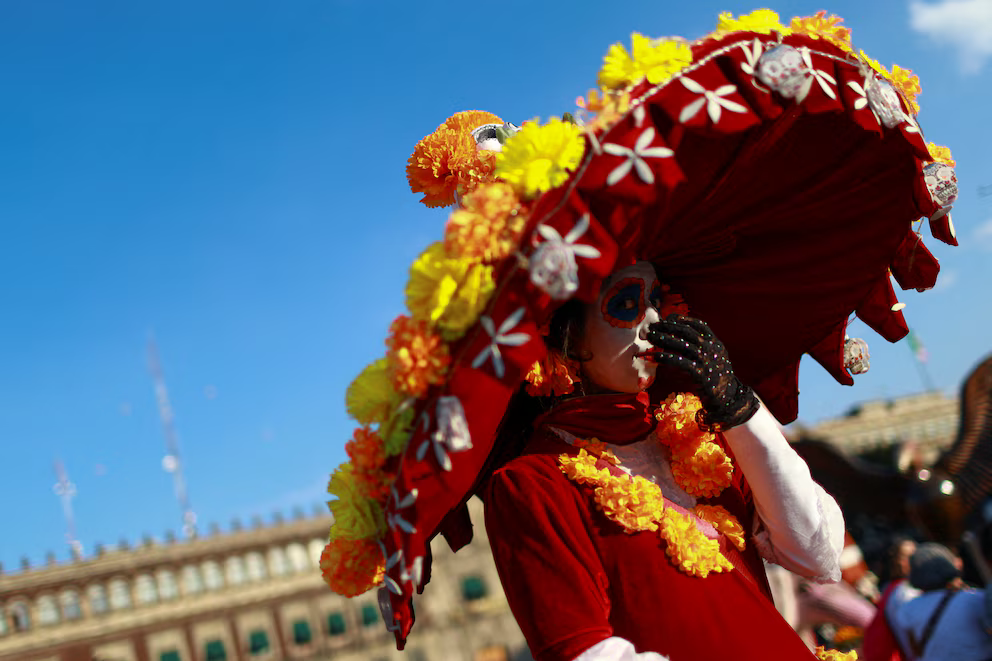
La Catrina traces its visual origins to Mexican illustrator José Guadalupe Posada, whose satirical depictions of skeletons challenged social distinctions and public pretensions. The figure later became an internationally recognized symbol of Mexico’s cultural relationship with death, memory and social identity.
The festival’s musical program will feature Axolotl Ensamble on October 30 at 5 p.m. The group will present a concert dedicated to Mexico’s musical heritage, drawing attention to traditional sounds and the cultural diversity preserved through regional artistic expressions.
The celebration is organized by the National Museum of Popular Cultures, the Unit for Living Cultures, Intangible Heritage and Interculturality, and the museum’s supporting association, with backing from Mexico’s Ministry of Culture.
Beyond its entertainment program, the event reflects the continuing importance of public cultural institutions in preserving traditions while presenting them to new generations.

Day of the Dead combines Indigenous practices, Catholic influences and contemporary artistic expression. Families traditionally prepare offerings with photographs, candles, marigolds and foods associated with deceased relatives, creating spaces where remembrance becomes a collective cultural experience.
Coyoacán will also participate in Mexico City’s wider program of community offerings and seasonal cultural events. Elsewhere in the capital, the monumental altar at the Zócalo is scheduled from October 29 to November 2, alongside the annual Catrina procession and other public celebrations.
The National Museum of Popular Cultures, located at Avenida Hidalgo 289 in the Del Carmen neighborhood, offers a setting particularly connected to Mexico’s artistic and historical traditions.
For international visitors, the festival provides an accessible introduction to practices that extend beyond decorative imagery. The symbolism of La Catrina, the significance of traditional music and the preparation of commemorative offerings reveal different ways Mexican communities preserve relationships between generations.
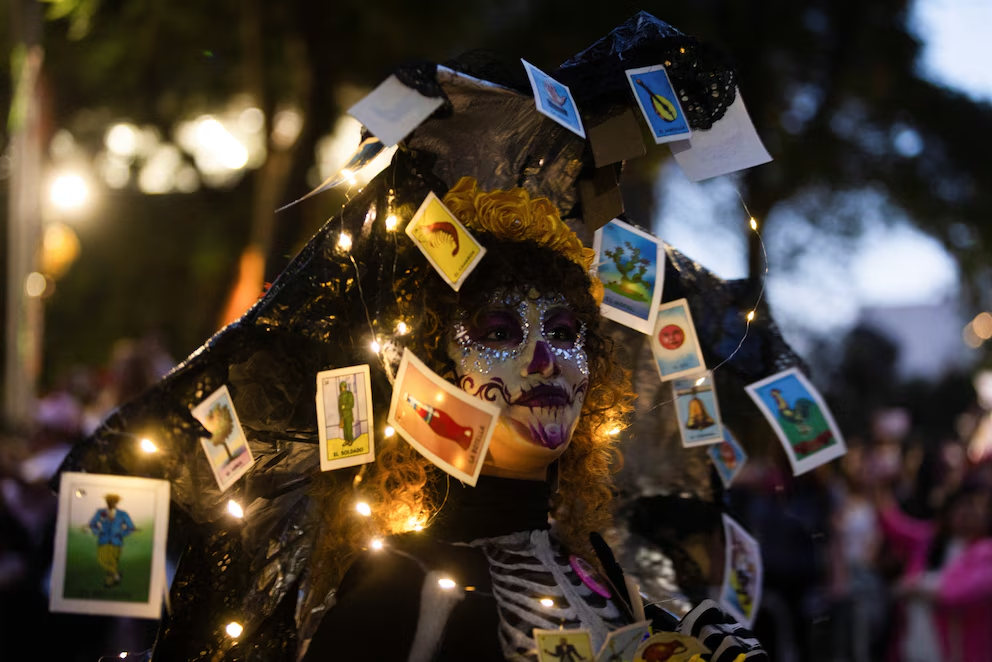
The gathering also illustrates how cultural heritage continues to evolve through contemporary artistic presentation without necessarily losing its connection to collective memory.
As Mexico City prepares for another season of Day of the Dead celebrations, Coyoacán’s festival will bring together fashion, music and popular traditions in a public space dedicated to the country’s cultural diversity.
Behind Every Fact, a Deeper Story.