

 Phoenix 24
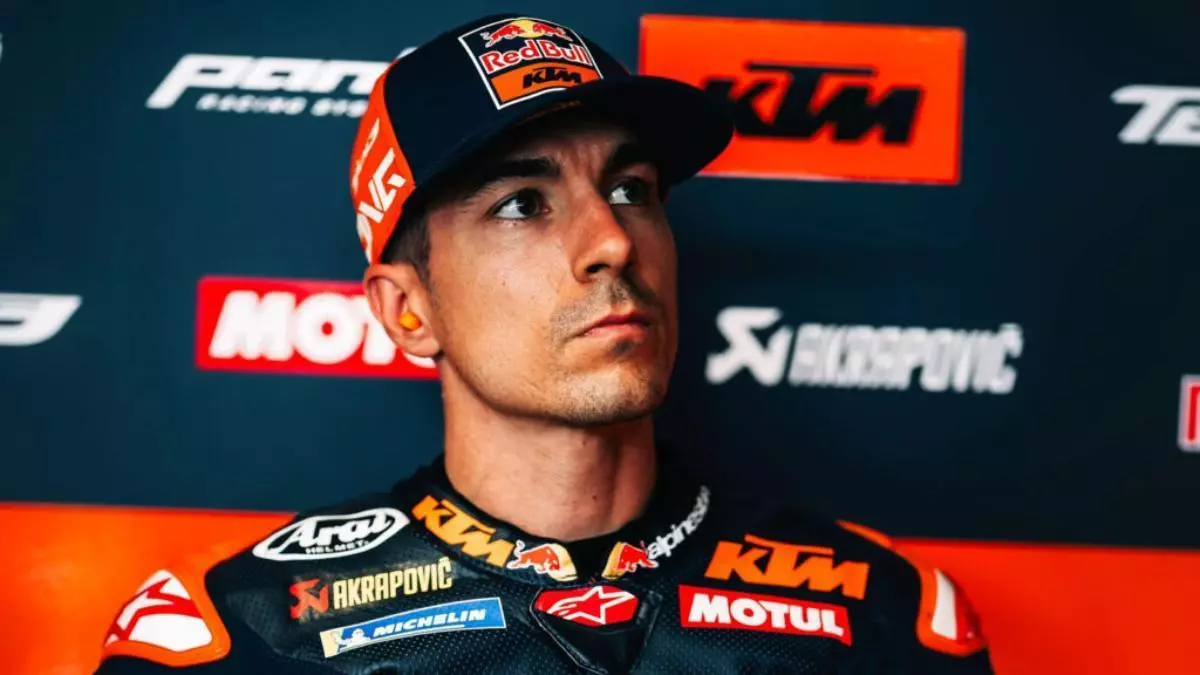
Injuries and lost opportunities threaten a remarkable racing career.
Portimão, Portugal
Spanish motorcycle racer Maverick Viñales is refusing to accept that his MotoGP career may be approaching its end, despite facing an uncertain future without a confirmed seat for the 2027 season. The 31-year-old rider, currently competing for Red Bull KTM Tech3, has expressed his determination to remain in the premier class of motorcycle racing, even if continuing his career requires an unconventional arrangement outside the championship’s established team structures.
Speaking ahead of the Portuguese Grand Prix, Viñales acknowledged that no concrete offers are currently available for next season. His departure from KTM at the conclusion of the 2026 championship will leave him without a permanent position on the grid, presenting a significant challenge for a rider who has claimed ten MotoGP victories across an international career spanning more than a decade.
Nevertheless, retirement is not his preferred option. Viñales has indicated that he would consider becoming an independent substitute rider, potentially replacing injured competitors for different manufacturers throughout the season. The arrangement would resemble the reserve-driver structures employed in Formula One, although MotoGP has not established a comparable permanent system guaranteeing such opportunities.
His willingness to explore alternatives reflects both professional determination and the realities of a championship where available positions are limited. With the 2027 grid effectively filled, securing a full-time contract appears increasingly unlikely unless circumstances change. A substitute role could allow Viñales to maintain a competitive presence while preserving opportunities to return permanently.
Physical recovery remains the most immediate obstacle. The Spaniard continues to experience discomfort from a left shoulder injury sustained during a crash at Germany’s Sachsenring circuit in 2025. The persistent problem has disrupted his performance and forced him to reconsider whether he can continue competing at the physical intensity required by modern MotoGP machinery.
Earlier this month, following the Qatar Grand Prix, Viñales acknowledged that continuing to race while experiencing severe pain had become increasingly frustrating. He subsequently reported an improvement after a period of rest, arriving in Portugal with greater optimism about his ability to complete the remaining events.
The rider hopes to recover without undergoing surgery, which he believes could prevent him from returning to competition until the summer of 2027. Further medical assessments will be necessary to establish whether that approach is viable, making his physical condition a decisive factor in any potential agreement with another team.
The uncertainty surrounding his career has also exposed tensions with KTM. Viñales has publicly expressed disappointment with the manufacturer’s handling of his contractual future, maintaining that arrangements he believed were settled were subsequently altered. Those statements represent his account of the disagreement rather than an independently established finding of contractual wrongdoing.
His sporting achievements nevertheless distinguish him from many available competitors. Viñales has won premier-class races with Suzuki, Yamaha and Aprilia, demonstrating an ability to adapt to different motorcycles and technical environments. That experience could prove valuable to manufacturers seeking an established rider capable of providing immediate competitive feedback or temporarily replacing an injured team member.
The situation also raises questions about how MotoGP manages experienced talent. Modern motorcycle racing requires considerable physical preparation, specialized technical knowledge and familiarity with complex electronic systems. A more structured approach to reserve riders could help teams respond to injuries while allowing established competitors to remain connected to the championship.
For Viñales, however, the objective remains deeply personal. His childhood ambition was to become MotoGP world champion, a distinction that has eluded him despite numerous victories and periods of exceptional performance. He has indicated little interest in pursuing opportunities in other motorcycle racing categories, preferring to continue searching for a place within the championship that has defined his professional life.
The final races in Portugal and Valencia will therefore carry significance beyond immediate results. They represent the closing chapter of his relationship with KTM, but not necessarily the conclusion of his MotoGP career.
Whether Viñales returns as a substitute, secures another competitive opportunity or ultimately faces retirement will depend on his recovery and the decisions of potential employers. For now, his determination remains clear: he is prepared to reconsider the conventional structure of his career rather than abandon the championship in which he still hopes to achieve his greatest ambition.
Beyond the Headlines, Accountability Matters.