

 Phoenix 24
Ten world titles, one final race, and an extraordinary farewell.
VALENCIA, SPAIN
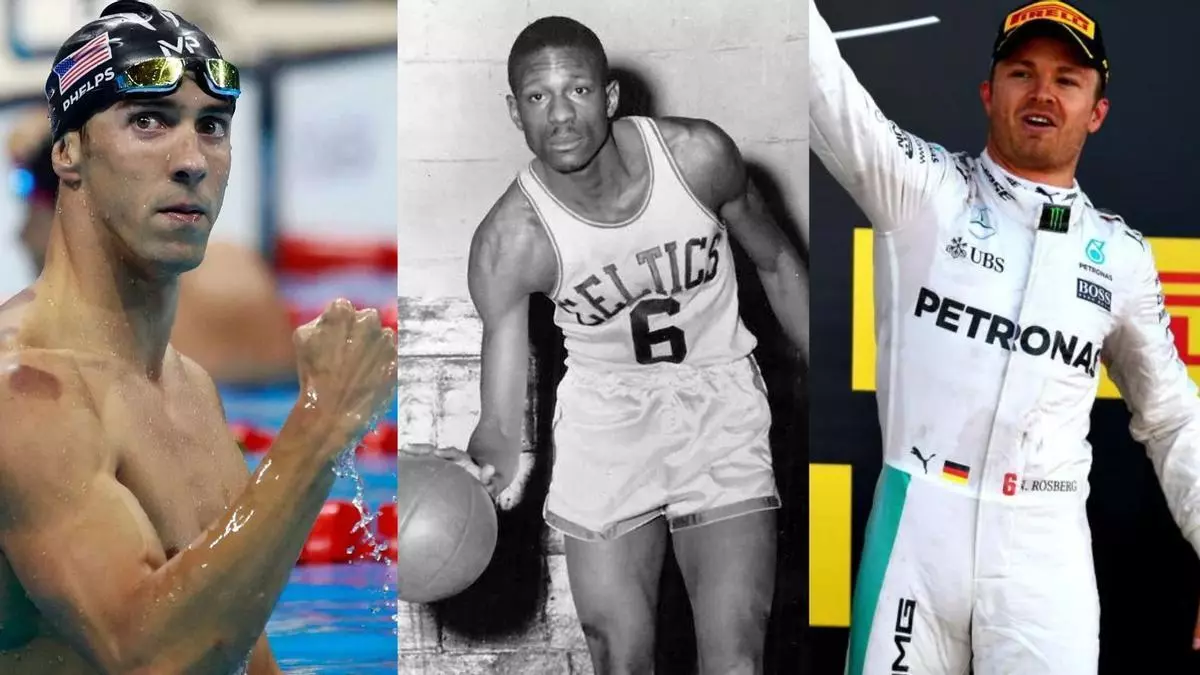
Spanish motorcycle racing legend Marc Márquez has announced his retirement from MotoGP at the age of 33, just days after securing his tenth world championship. The unexpected decision places him among a select group of sporting icons who chose to end their careers while still competing at the highest level, including Formula 1 champion Nico Rosberg and NBA legend Bill Russell.
The Ducati rider revealed his decision on Friday at the Ricardo Tormo Circuit in Cheste, where Sunday’s Valencia Grand Prix will mark the final race of his professional career. Rather than delivering a conventional announcement, Márquez displayed a series of handwritten-style messages before the opening practice session, thanking supporters and confirming that his time in MotoGP was coming to an end.
His announcement followed an extraordinary comeback that culminated in an eighth premier-class championship at the Portuguese Grand Prix. With ten world titles across all categories, Márquez concludes his career as one of the most successful riders in motorcycle racing history.
The decision was driven primarily by concerns about the physical consequences of continuing to compete. Years of injuries, operations and recovery periods had taken their toll, despite his remarkable return to championship-winning form.
During an emotional press conference, Márquez explained that his concerns no longer centered on speed or competition but on the possibility of further injuries affecting his life beyond racing. He acknowledged that his results had concealed the physical difficulties he continued to experience.
His departure invites comparisons with other champions who stepped away before experiencing a sustained competitive decline.
In 2016, Nico Rosberg stunned Formula 1 by retiring just five days after defeating Mercedes teammate Lewis Hamilton to claim his first world championship. The German driver, then 31, chose to leave rather than commit himself to another demanding title campaign.
Basketball legend Bill Russell made a similarly consequential decision in 1969. After leading the Boston Celtics to their eleventh NBA championship in thirteen seasons, he retired as both player and coach, leaving behind a record of dominance that remains unmatched by any individual player.
Olympic swimming icon Michael Phelps also concluded his competitive career following the 2016 Rio Olympics, having accumulated 28 Olympic medals, including 23 golds. His departure illustrated how sporting greatness can coexist with a personal decision to move beyond elite competition.
Yet Márquez’s circumstances are distinctive. Unlike champions whose departures followed a relatively uninterrupted period of success, the Spanish rider experienced years of physical setbacks before recovering the form necessary to return to the top.
His final competitive weekend has already demonstrated that his decision does not reflect a loss of speed. After announcing his retirement, Márquez recorded a 1:28.483 lap during Friday’s practice, setting a new circuit record and finishing ahead of his rivals.
For Ducati and MotoGP, his departure marks the end of an era defined by aggressive racing, extraordinary technical control and repeated recoveries from adversity.
For Márquez, however, the final calculation extends beyond another victory or championship. His decision reflects the recognition that sporting success and personal well-being do not always demand the same choices.
Beyond the Numbers, the Consequences.