

 Phoenix 24
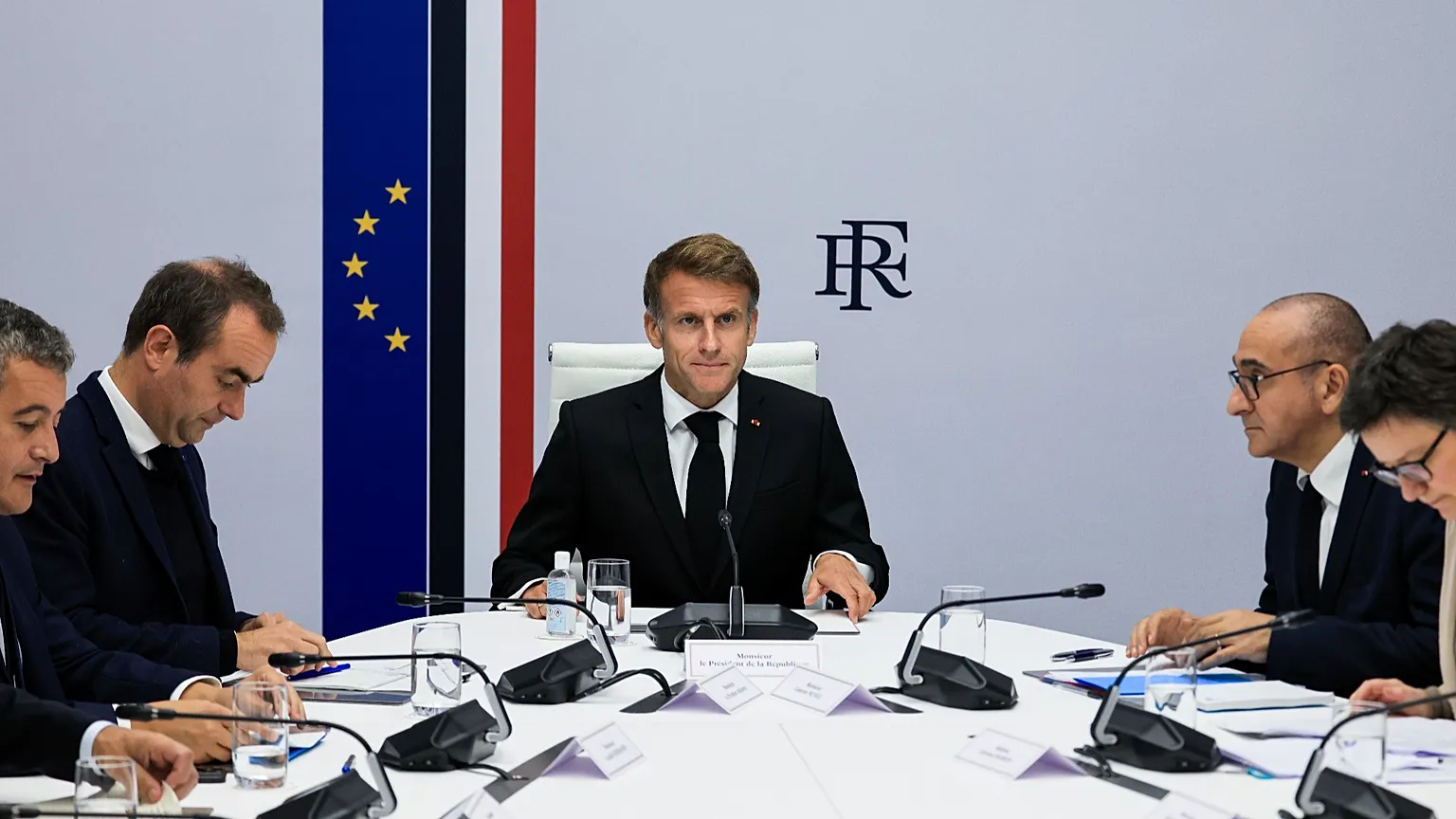
France confronts unrest, economic frustration and mounting political tensions.
PARIS
French President Emmanuel Macron has warned that those responsible for violent unrest across France will face consequences, following nationwide demonstrations that descended into rioting, looting and attacks on public buildings. His televised address on Sunday sought to distinguish legitimate social grievances from violence, while exposing the growing difficulty of maintaining political stability ahead of the country’s 2027 presidential election.
The disturbances erupted during Saturday’s demonstrations against rising living costs and deteriorating public services. French authorities estimated that approximately 550,000 people participated nationwide, including 110,000 in Paris. Although many demonstrators protested peacefully, confrontations and vandalism spread across several cities.
More than 2,000 people were arrested, while over 600 police officers, gendarmes and firefighters were injured, according to official figures reported by Euronews. In Limoges, a historic town hall suffered extensive fire damage and partially collapsed, becoming one of the most visible symbols of the destruction.
Macron condemned the attacks and promised accountability for those responsible. He also accused radical far-left elements and criminal groups of exploiting the demonstrations, although political attribution does not establish individual criminal responsibility.
The president acknowledged the legitimacy of concerns over purchasing power and public services. His intervention nevertheless placed the defense of republican institutions at the center of the government’s immediate response.
Prime Minister Sébastien Lecornu is expected to convene political parties, trade unions and representatives of secondary and university students in the coming days. The proposed consultations suggest an attempt to address grievances extending beyond the violence itself.
Lecornu has also promised greater transparency regarding the security operation deployed during the demonstrations. Opposition groups, particularly on the left, have questioned aspects of police conduct, while right-wing figures have criticized the government for failing to prevent widespread damage.
Marine Le Pen has accused Macron’s administration of insufficient firmness in maintaining public order. Jean-Luc Mélenchon’s France Unbowed movement, meanwhile, has faced accusations from government officials concerning its political rhetoric and alleged influence on the unrest.
These competing interpretations reveal a wider confrontation over responsibility. The government emphasizes violent groups and the protection of public institutions, while critics dispute its handling of policing and the social conditions that brought protesters into the streets.
The approaching presidential election adds further pressure. Macron cannot seek another consecutive term, but the political consequences of the unrest may influence the debate over economic management, public security and the future direction of France.
There is also an economic dimension. Damaged businesses, interrupted commercial activity and the costs of restoring public infrastructure create additional pressures at a time when household purchasing power remains central to public dissatisfaction.
For French authorities, restoring order will require more than arrests and reconstruction. The government’s response will be judged partly by whether promised consultations produce meaningful consideration of the demands expressed by peaceful demonstrators.
The distinction between protest and violence remains essential. Democratic institutions must protect the right to peaceful assembly while investigating criminal acts and ensuring that police responses remain subject to appropriate scrutiny.
France’s immediate challenge is therefore both political and institutional. The destruction of public property demands accountability, but the grievances that preceded the violence remain unresolved.
Macron’s address established the government’s position on public order. Whether the coming dialogue can reduce social tensions is a separate question, one that will extend well beyond the aftermath of Saturday’s demonstrations.
Beyond the Headlines, Accountability Matters.