

 Luciana Almada
Power in the Southern Cone is no longer shaped only by elections and exports. It is being shaped by minerals, algorithms and fleets that move quietly through southern waters.
Buenos Aires, January 2026. Argentina’s libertarian experiment is usually read as an internal drama about inflation, deregulation and the shrinking state. But from outside the country, it looks like something else entirely. It looks like the opening of a strategic territory at the exact moment when the world is desperate for lithium, energy corridors and technological control.
What is being deregulated is not only the economy. It is the geopolitical lock on a region rich in minerals, ports, data routes and polar access.
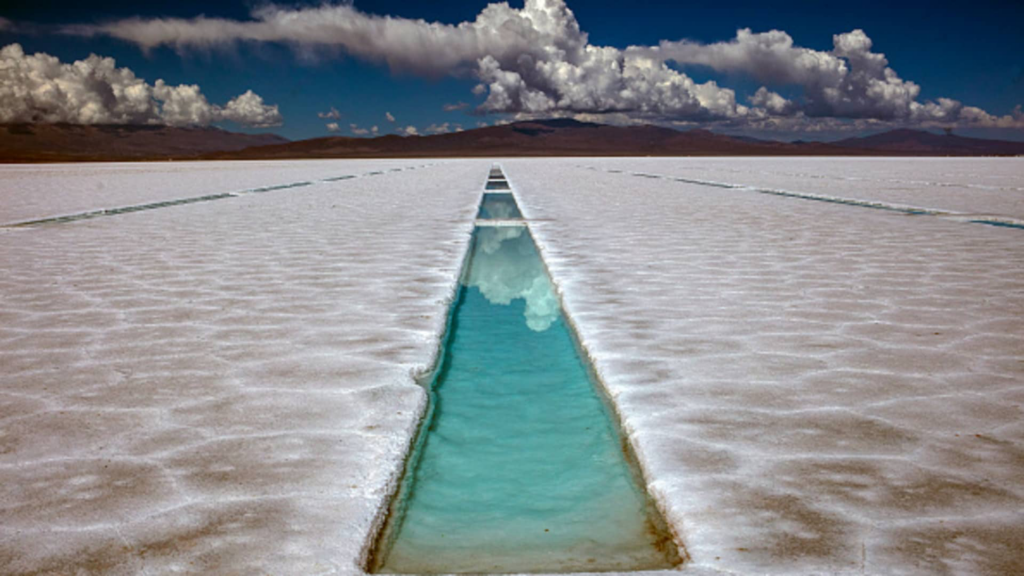
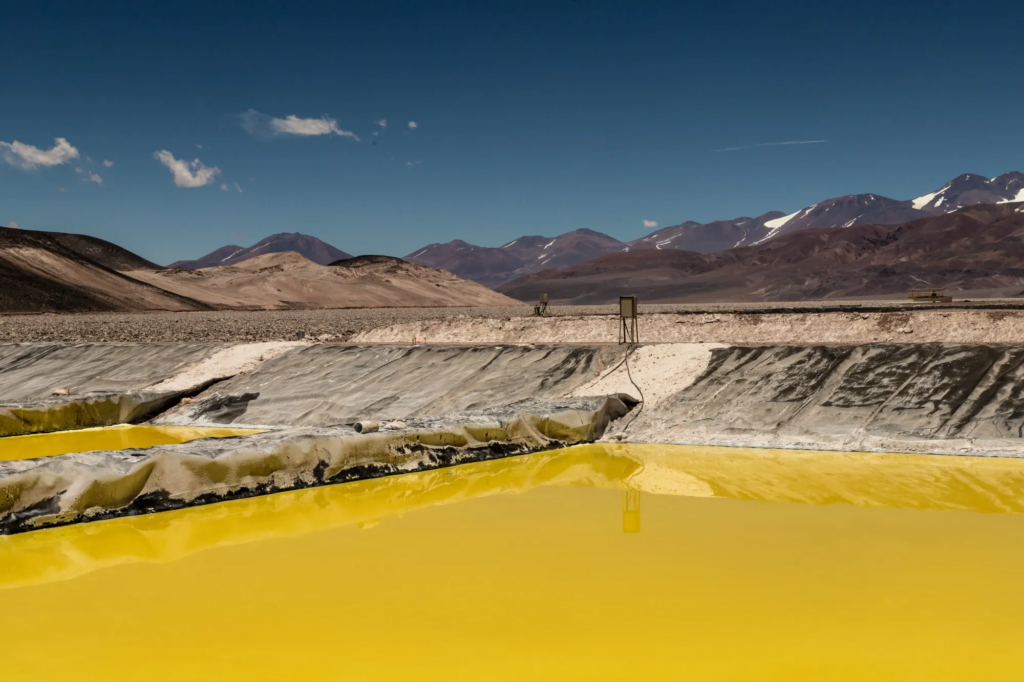
Lithium has become Argentina’s most silent weapon. Along with Bolivia and Chile, it forms the so-called Lithium Triangle, one of the largest reserves on the planet. Every electric battery, every green transition promise, every AI infrastructure fantasy depends on what happens under the salt flats of the Andes. China knows this. The United States knows this. Europe knows this. They are no longer competing only in factories. They are competing in deserts, villages and forgotten provinces.
Deregulation accelerates access. Foreign capital moves faster when environmental rules soften and community consent becomes a formality. What is framed as efficiency from Buenos Aires is read as opportunity from Beijing, Washington and Brussels. Lithium is not just an export. It is leverage.
At the same time, the Southern Atlantic is becoming crowded. British military presence around the Falklands never disappeared, but it is now joined by renewed NATO interest in southern sea lanes. The United States expands naval cooperation. China increases commercial port activity. Submarine cables, satellite routes and Antarctic logistics lines turn the southern seas into strategic corridors.
Warships do not announce themselves as threats. They announce themselves as exercises, cooperation and security.
The libertarian state promises neutrality. But neutrality is fragile when your resources are critical and your regulation is thin. In global power games, vacuum is never empty. It is filled.
Argentina is also becoming a laboratory for algorithmic governance. Financial platforms, digital wallets, biometric systems and data-driven social control grow faster when the state retreats from regulation. What is called freedom in markets often becomes dependency in technology. Data flows outward. Control flows inward.
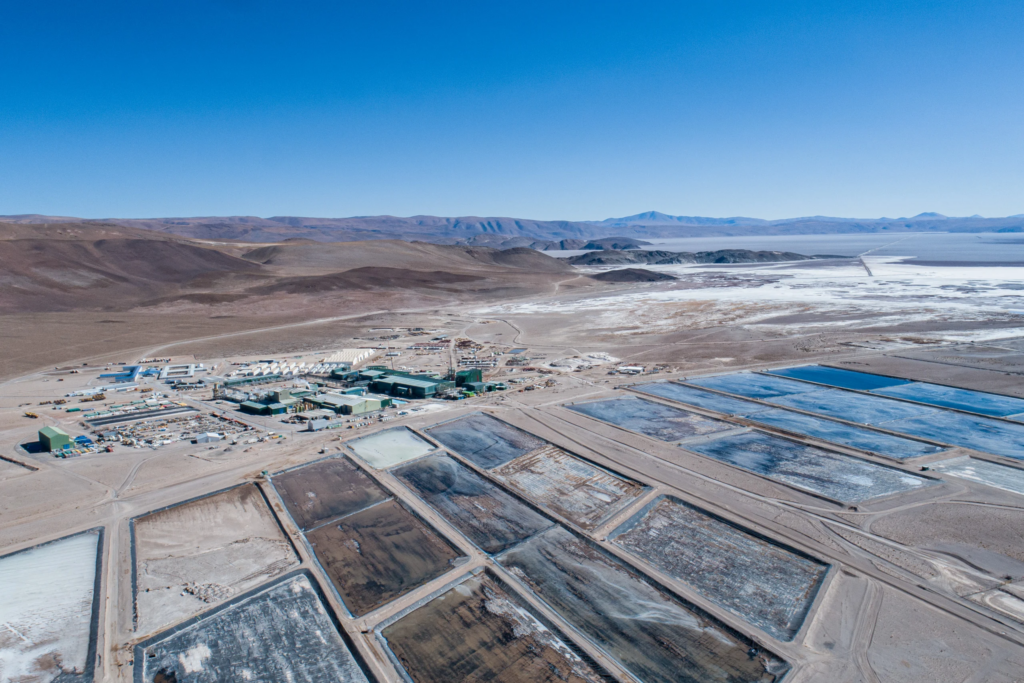
In rural Argentina, lithium projects reshape landscapes and labor. In cities, fintech and crypto narratives promise autonomy but quietly build new forms of surveillance and financial capture. This is not innovation alone. It is geopolitical infrastructure disguised as modernization.
Chile watches carefully, balancing environmental pressure with export ambition. Bolivia struggles to control its lithium under heavier state presence. Brazil negotiates tech, defense and energy with all sides at once. The Southern Cone is no longer peripheral. It is central to the next industrial cycle.
The ideological language of libertarianism masks this shift. It speaks of individual freedom, but geopolitics does not care about ideology. It cares about access. Whoever controls lithium, ports and data corridors controls the rhythm of the green and digital economies.
And then there is Antarctica.
Southern ports are no longer just commercial. They are gateways to polar futures. As ice retreats and research becomes strategic, Antarctica stops being a scientific dream and becomes a logistical race. Ushuaia, Punta Arenas and southern Chilean ports gain importance not as tourist symbols, but as military and technological doors to the white continent.
Libertarian governance reduces friction. That is attractive to investors. It is also attractive to empires.
The paradox is brutal. The state retreats to free the market, but the market invites power. And power never stays neutral.
Communities in Jujuy, Salta and Catamarca speak of water loss, land pressure and social fracture. But their voices compete with global urgency. Electric cars in Europe. Data centers in Asia. Batteries for war and peace. Their territory is now part of a global chessboard.
What is sold as local reform is experienced as global opening.
The Southern Cone enters the power game not by declaring it, but by being needed. When your land feeds the future, your politics becomes international whether you want it or not.
Libertarianism believes it can shrink the state and escape history. History is not impressed. It simply changes players.
Lithium will not wait. Fleets will not wait. Algorithms will not wait. They move at the speed of profit and fear.
The real question is not whether Argentina will be part of the global power game. It already is. The question is whether it will enter as a player or as a field.
Because when minerals decide futures and ships decide routes, ideology becomes decoration. What remains is structure.
And structure always chooses who commands, and who is commanded.